The Story
Why it exists.
The beginning
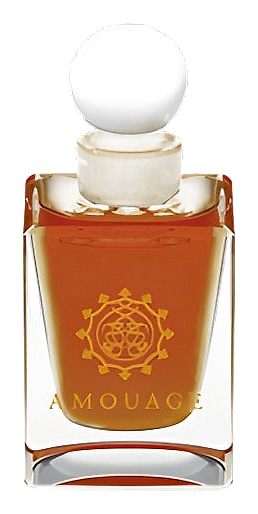
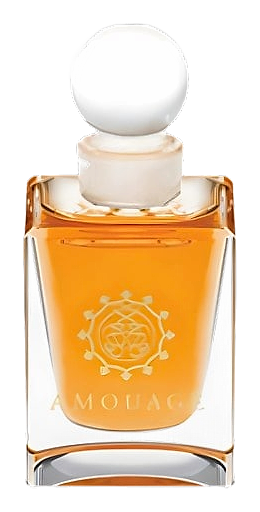
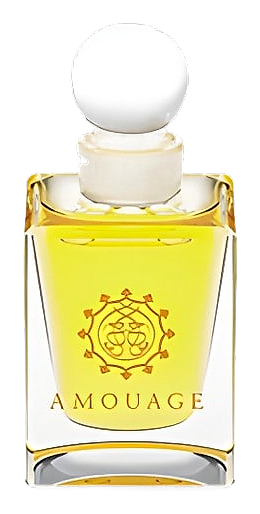
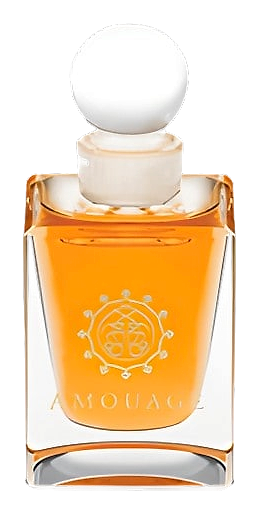
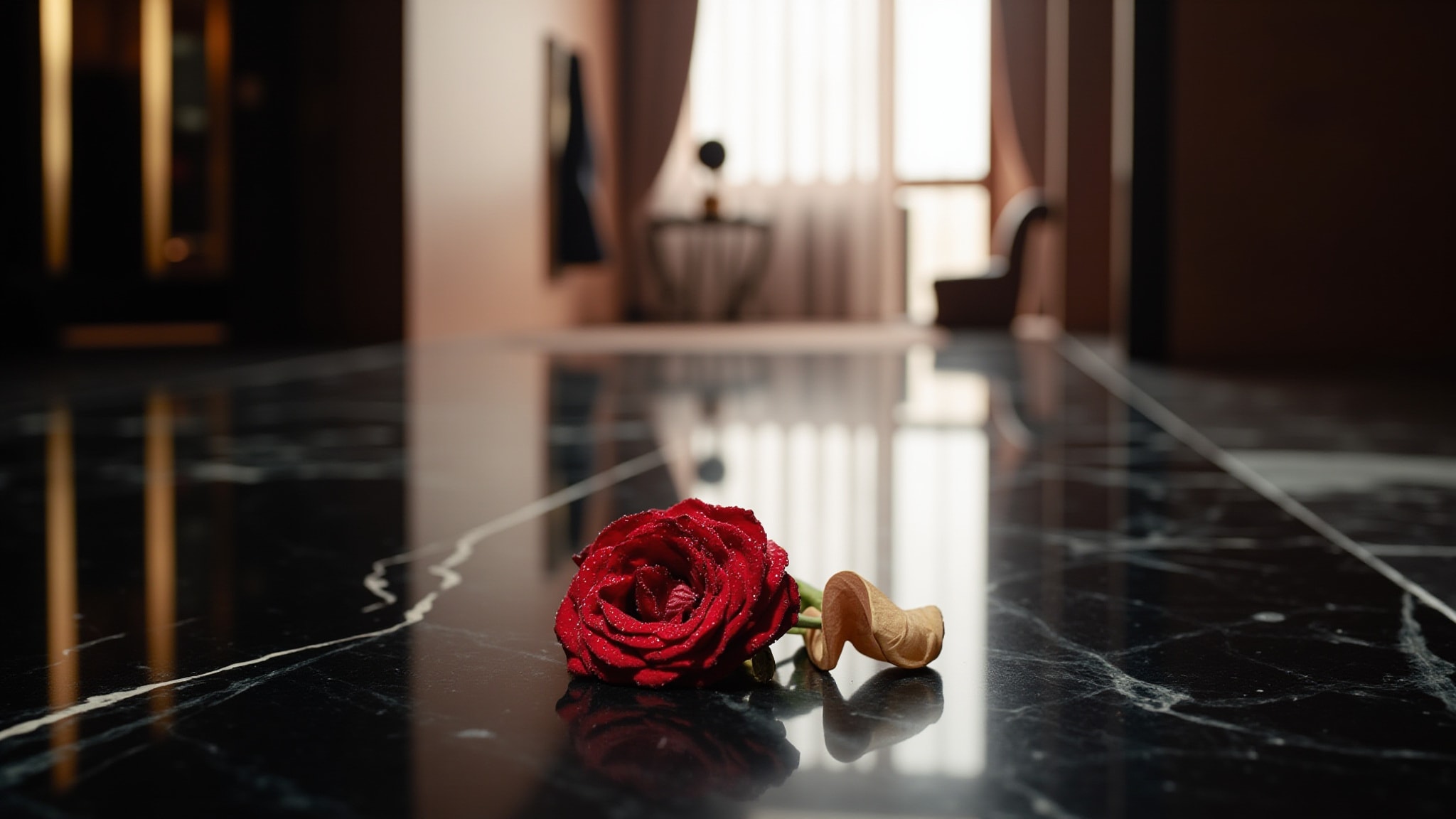
Ayoon Al Maha translates to "Eyes of the Fawn" in Arabic, a phrase the language uses to describe the beauty of a woman. Amouage built the composition around that idea: a rose that doesn't beg for attention so much as earn it through presence and patience. The structure is deliberately lean for an Arabian house composition, three notes that carry the entire weight of the story. Damask rose opens with a clarity that feels picked at dawn, dewy and almost weightless before the other notes find their footing. Indian sandalwood deepens the picture, lending a creamy undertow that gives the bloom something to rest against rather than float above. Oud wood anchors everything to the floor, its resinous gravity pulling the airy florals down into something with weight and skin.
What separates Ayoon Al Maha from other rose-oud compositions is the sandalwood's role. Here it occupies the entire heart position, which means it gets to negotiate between rose's lift and oud's gravity on its own terms. The result feels less like a bridge between two opposing forces and more like a third presence with its own convictions. Indian sandalwood carries that distinctive milky warmth the reference notes describe as reminiscent of skin under candlelight, and it pulls the oud away from its usual sharpness into something rounder, more inhabited.
The evolution
The opening is almost entirely rose, bright and lifted, the kind of Damascus rose that feels freshly cut. The sandalwood arrives quietly, not crashing in but seeping underneath, changing the rose's temperature from morning air to late afternoon warmth. As the hours pass, the oud begins to surface, and it does so without drama, no barnyard sharpness, just a deep, almost mineral presence that makes the wood feel heavier with every passing moment. The drydown is where this composition lives its longest life: the oud and sandalwood fuse into something that reads more like warm skin than like any specific note, and it clings with a tenacity that suggests real concentration. The rose never fully disappears, but it becomes less a scent and more a memory embedded in the woods. The composition shifts from a statement into an aura, something felt rather than announced.
Cultural impact
Ayoon Al Maha sits in a quiet corner of Amouage's catalog, prized by those who find it. The rose-sandalwood-oud structure speaks to a particular kind of wearer, someone drawn to classical balance and the interplay of materials that have perfumed the Arabian world for centuries. Wearers tend to describe it as the scent of someone who has nothing to prove, rose that doesn't need to shout, wood that doesn't need to swagger. The name itself, "Eyes of the Fawn," does most of the cultural work, framing the fragrance within an Arab poetic tradition where beauty is observed and named rather than performed.