

The Story
Why it exists.
The beginning
Eau de Gaya was launched in 2026 by Ameenah, with Jordi Fernández composing. Its inspiration is Mount Gaya in South Korea and Haeinsa Temple, a Buddhist sanctuary set among forests and mountains. The temple is home to the Tripitaka Koreana, a vast collection of Buddhist scriptures carved onto wooden printing blocks, and has long been associated with spiritual contemplation. Fernández built the fragrance around two aromatic ideas found there: incense burned inside the sanctuary and wild Korean ginseng growing in the surrounding landscape. That meeting of temple smoke and living greenery gives Eau de Gaya its unusual shape, an aromatic woody composition where fresh herbal notes sit close to incense, vetiver and oud.
The interesting part is the collision at the center of the pyramid. Ginseng gives the opening a green, earthy snap, while lavender keeps it lucid and nutmeg adds a dry, slightly peppered warmth. Cypress then draws the composition toward bark, shadow and resin, with amber supplying a low golden heat. Down below, vetiver roots the whole thing, musk keeps it close to skin, and oud supplies the weight that gives this light, aromatic opening its serious base.
The evolution
The first impression is cool and textured. Nutmeg crackles over lavender, while ginseng brings a green, slightly earthy lift that feels closer to damp forest floor than fresh-cut leaves. As those notes loosen their grip, cypress takes over with a vertical, bark-like dryness. Amber appears underneath it, adding warmth without making the composition feel sweet or heavy. That middle stretch is where the scent feels most like its inspiration: shaded sanctuary air, resin, and wood. In the drydown, the air clears further. Vetiver pulls the composition down toward earth and roots, musk softens the edges against skin, and oud deepens the whole thing into a warm, resinous base.
Cultural impact
Eau de Gaya draws on the setting of Haeinsa Temple, a Buddhist sanctuary in South Korea associated with the Tripitaka Koreana and surrounded by forests and mountains. Its composition joins two aromatic references connected with that landscape: incense burned inside the sanctuary and wild Korean ginseng growing nearby. The fragrance expresses this meeting through green herbal notes, cypress, amber, vetiver, musk, oud and frankincense, creating a cool, textured progression from forest-floor greenery and incense to bark, resin and warm woods.
The House
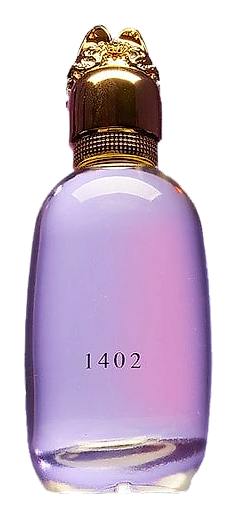
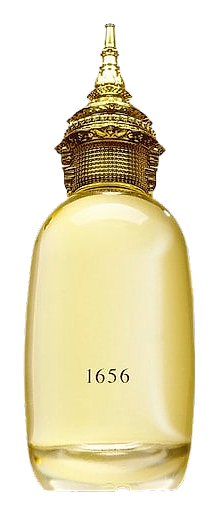
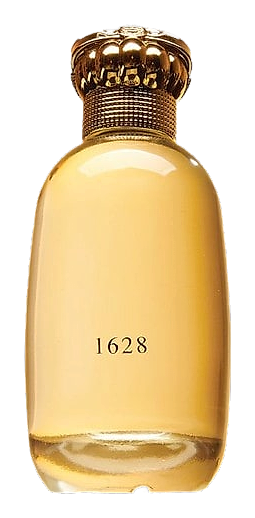
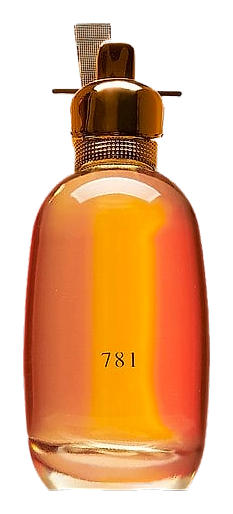
AmeenahAmeenah is a Bangkok-based fragrance house centered on oud, rose, amber and musk. Its catalogue includes numbered scents such as 1656, 786, 1520, 1402, 1628 and 781, names that suggest a house attentive to numerical codes and concentrated olfactory character. Publicly available material traces the brand's story to an oud practice said to have begun 40 years ago, while fragrance databases date its earliest listed edition to 2024. The house presents itself through a Bangkok social account and an official website, with a stated connection to Paris Perfume Week 2026.
The Creator
Jordi FernándezBased on his work, Jordi Fernández displays a penchant for complex compositions, often featuring contrasting elements that create a sense of intrigue. He seems comfortable working with both rich, opulent notes like oud and lighter, more refreshing ingredients such as fruits an…