
The Story
Why it exists.
The beginning
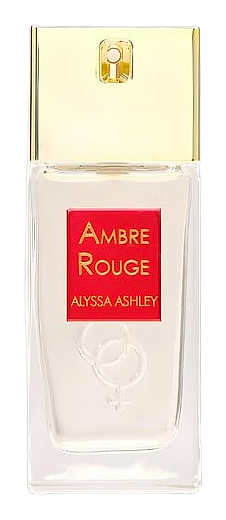
Ambre Rouge is Alyssa Ashley's latest chapter in a five-decade conversation about musk, amber, and what fragrance means when it's worn for yourself rather than the room. The name says it all, amber in red, warmth pushed toward something more vivid. The brief was simple: berries and florals that don't shy from their own sweetness, anchored by the brand's signature dark, resinous base. Pepper sparks the opening. Tangerine adds brightness. The rest unfolds from there.
What makes this structure interesting is the blackberry. Across multiple sources, it emerges as the star of the heart, not jammy or dessert-like, but acidic and slightly green, the kind of fruit note that keeps the florals from going precious. Hibiscus amplifies that quality, adding an almost herbaceous edge. Together with the red rose, these notes form a bouquet that's colorful without tipping into caricature. The black amber and benzoin in the base are where the brand's heritage shows, warm, resinous, a little dark, and designed to linger close to the skin rather than fill a space.
The evolution
The opening lasts maybe fifteen minutes, bright, almost effervescent. Tangerine and red berries hit first, pepper nudging in with a tiny spark of heat. Then the florals arrive. Hibiscus and blackberry take over, the rose arriving last and softer, rounding the edges. It's the fragrance's most animated phase. The drydown is where Ambre Rouge becomes itself. Black amber emerges first, bringing a resinous warmth that deepens everything. Benzoin adds a faint vanilla-adjacent sweetness. Patchouli settles last, earthy and quiet, pulling everything down to skin level. By hour four, it's intimate and close, the kind of wear that someone might notice when they're standing near you, not across the room.
Cultural impact
Ambre Rouge sits comfortably in the tradition of Alyssa Ashley's approachable-yet-crafted compositions, neither mass-market generic nor niche-inaccessible. The floral-fruity Oriental structure appeals to wearers who want warmth and color without the performative intensity of heavier amber-dominant scents. It's the kind of fragrance that works across seasons and settings, built for the wearer rather than the audience.