The Story
Why it exists.
The beginning
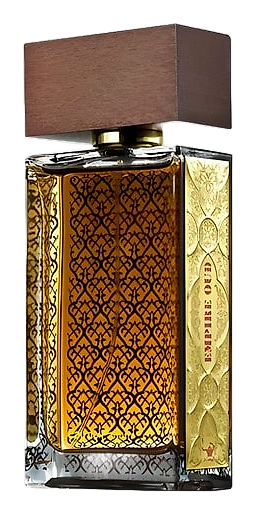
The name carries weight. Oudh Al Sheykh presents itself as a composition rather than a product, built around the conviction that oud isn't a note to be sprinkled on top for recognition. It's the structural center, the material everything else resolves around. Rose and lavender open the top, floral and cool, but the oud doesn't wait long before pressing through, meeting juniper's bitterness and amber's warmth in the middle before the base settles into patchouli and ambergris. The pairing of lavender and juniper up top is deliberate, lending an aromatic sharpness that grounds the oud rather than letting it float loose. What emerges is something that reads both familiar and composed, a fragrance that takes its central material seriously and builds around it with intent.
What separates Oudh Al Sheykh from the crowded field of oud-forward releases is structure. The top notes don't treat rose as decoration. Lavender and rose set up an herbal coolness that makes the oud's arrival feel deliberate, like a curtain drawn back. Juniper in the heart brings an unexpected green bitterness, the kind you find in conifer bark rather than a standard fougere. The base stacks oud against patchouli with ambergris underneath, giving the drydown a marine-animal edge that most oud compositions skip. It's an Oriental Fougere reading of a tradition that usually stays purely resinous, and that tension, between the cool aromatic top and the heavy resinous base, is where the fragrance earns its name.
The evolution
The opening belongs to rose and lavender, bright and almost cologne-like if you're nosing from a distance. Up close, the oud is already curling through, turning the sweetness darker, pulling the florals into something heavier and less decorative. The transition happens quickly but isn't abrupt; it's more like watching fog roll in, the air thickening without a clear edge. As the lavender recedes, juniper takes hold, giving the composition a cool, resinous snap, a bitterness that bites against the oud's density. The heart phase is where the fragrance deepens, with amber glowing underneath and the oud shifting from raw wood into something denser, closer to woodsmoke than timber. The drydown is where the composition earns its place. Ambergris and patchouli lock in a warm, slightly saline base that clings to fabric and skin long after the top notes have completely vanished.
Cultural impact
Oudh Al Sheykh takes a particular position within Arabian perfumery by pairing oud with lavender and juniper rather than the more familiar saffron-and-rose pairings. The aromatic structure, with juniper leading the bitter-green charge and lavender softening the edges, borrows from Western aromatic traditions without abandoning oud's authority. The result wears with oud's depth intact, never reducing the composition to a simple floral-oriental intensity.