The Story
Why it exists.
The beginning
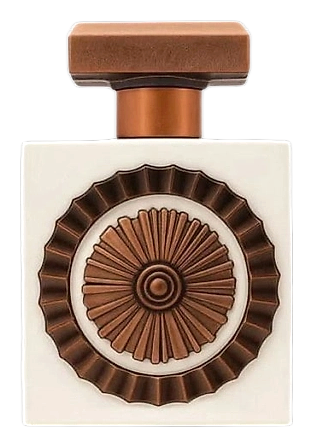
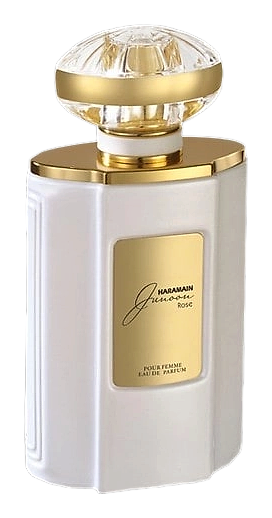
Jameela means beautiful in Arabic. That simplicity carries through to the fragrance itself, a 2018 creation from perfumer Yaishe at Al Haramain. Not trying to be clever. Not reaching for complexity. Just sweetness, done well. The name invites without demanding, and the composition follows suit: approachable florals, fruit you can taste, sugar at every level. It's a fragrance that knows what it is.
What makes Jameela work is its refusal to apologize for being sweet. Many oriental fragrances build sweetness as contrast against darker woods or resins. Here, sugar appears twice, in the heart as a structural element, in the base as a foundation. The white florals don't temper that sweetness; they give it somewhere to live, texture beneath the sugar rush. Jasmine adds warmth without adding green, which keeps the whole composition sliding toward the skin rather than sitting above it.
The evolution
The opening arrives soft. Bergamot barely registers as citrus, it reads more as brightness, a light source somewhere behind the plum. The plum itself is ripe, almost jammy, and white flowers fill in the space underneath without competing. This phase lasts a solid thirty minutes before the sugared heart takes over. The strawberry surfaces around the forty-minute mark. It's not fresh strawberry, it's the idea of strawberry, sweetened and stretched thin across the drydown. Jasmine rises with it, creamy and warm. Together they create a heart that's floral-gourmand in the truest sense: you're as close to eating the scent as wearing it. The base is where Jameela earns its longevity. Sugar and vanilla anchor the drydown, but the musk and woody notes pull it off skin and onto clothes, where it stays. On fabric, the powder-warm character intensifies overnight. You wake up and the collar still smells like something sweet happened there.
Cultural impact
Jameela arrived at a moment when Middle Eastern perfumery was expanding beyond traditional oud-heavy compositions into more accessible sweet florals. Its 2018 launch by Al Haramain positioned it within a growing category of modern Arab fragrances targeting younger consumers and international markets. The sweet, powdery floral-gourmand profile resonated with those seeking luxury without complexity. Jameela became part of a wave of fragrances that broadened the perception of what Gulf perfumery could offer, moving from exclusive niche appeal to wider accessibility while maintaining the rich, sweet character expected by regional consumers.
The House
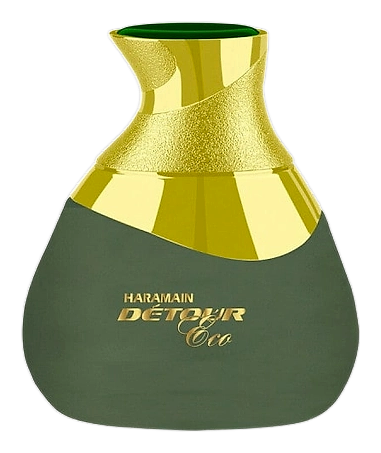
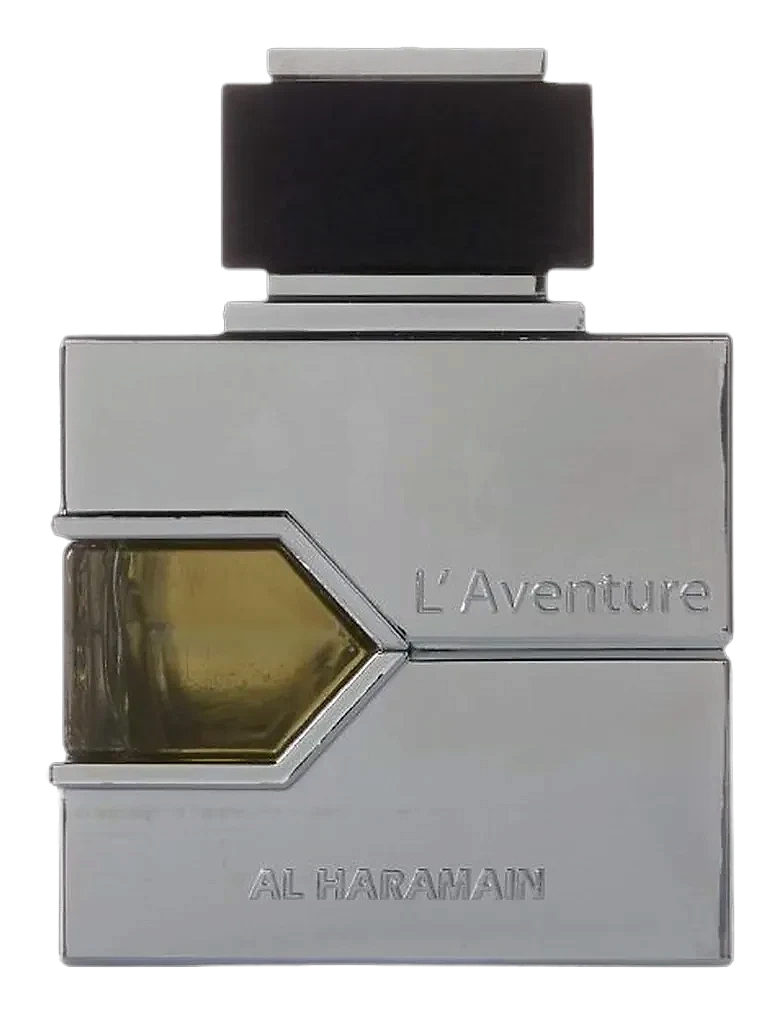
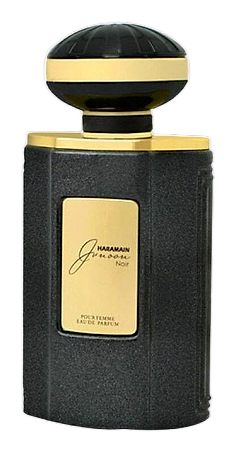
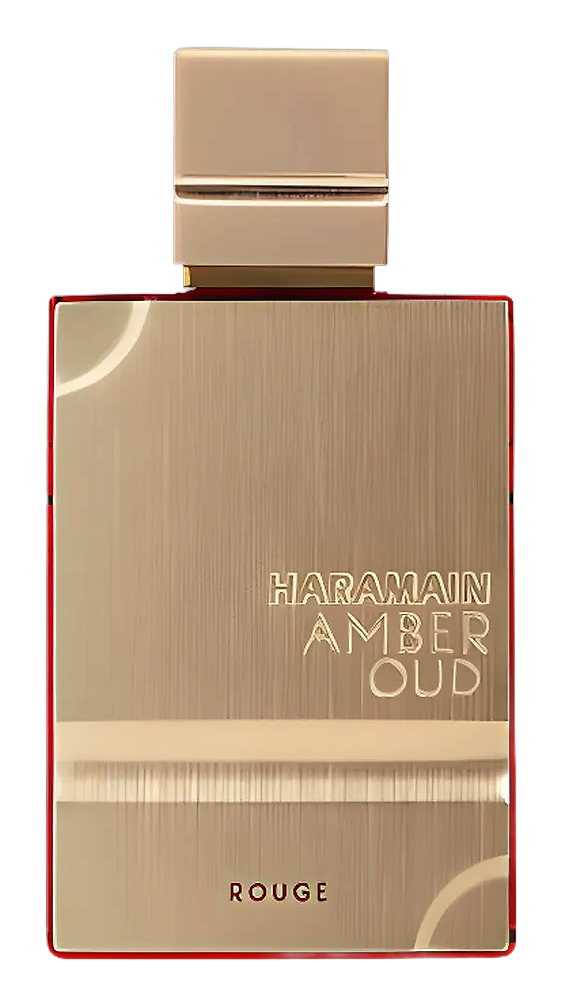
Al Haramain PerfumesAl Haramain Perfumes is a fragrance house rooted in Mecca, Saudi Arabia, with over five decades of experience crafting oriental perfumes. The company traces its origins to 1970, when founder Kazi Abdul Haque, a Bangladeshi businessman, began trading perfumes with shops in Makkah and Madinah before moving into production. Today, the business operates from the UAE under the leadership of Haque's eldest son, Mahtabur Rahman, who serves as Chairman and Managing Director. Al Haramain has built a portfolio that reportedly exceeds 1,000 fragrance variants, spanning pure perfume oils, concentrated sprays, bakhoor, and agarwood products. The brand maintains retail presence across the GCC, Middle East, Asia, and Europe through a network of exclusive stores. Notable releases include Dehnal Oudh Mahabbah from 2012, Red African from 2017, Mukhamria Maliki Silver from 2021, and the Musk Orchid and Musk Floral releases of 2023.
The Creator
YaisheNo public formulations, preferred raw materials, or stylistic signatures have been associated with Yaishe at this time. Perfumers typically develop recognizable characteristics through repeated compositions, yet such patterns remain invisible without access to their work.