The Story
Why it exists.
The beginning
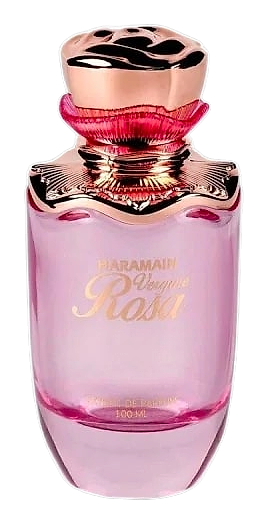
Vergine Rosa arrived in 2025 as Al Haramain's take on a rose that refuses to behave. Where many oriental houses lead with depth and darkness, this one opens with the flower itself, Bulgarian rose, coconut cream, caramel, sweet and tropical before it turns warm. The name carries intention: vergine suggests something untouched, rosa is the soul of the composition. It's a fragrance built for the moments when you want softness with presence, sweetness that doesn't apologize for itself.
What makes Vergine Rosa interesting is the way it holds two ideas at once. The rose and coconut in the opening read almost dessert-like, creamy, sweet, slightly exotic. But the sandalwood and amber in the base pull the composition toward warmth and powder rather than sugar. The patchouli keeps everything grounded. It's not a linear rose fragrance. It moves from something that smells almost edible to something that smells like skin-warmed fabric and resin. The contrast is the point.
The evolution
The opening arrives fast, Bulgarian rose petals, coconut cream, caramel sweetness. For the first thirty minutes, it's sweet and tropical, almost gourmand. Then the sandalwood begins to show itself, smoothing the edges. The white flowers arrive and the composition shifts from dessert to something softer, warmer, more intimate. By hour two, the patchouli and amber have settled into the skin. The drydown is powdery-warm and close, it stays near you rather than announcing itself to the room. On most skin types, expect 6-8 hours of presence, moderate sillage, and a quiet exit the next morning.
Cultural impact
Vergine Rosa landed in 2025 as an alternative within the Al Haramain range, warmer, softer, and more floral than the house's signature oud-heavy releases. The sweet-and-powdery character appeals to those who want something gently intoxicating rather than bold. It's a fragrance for people who notice details.