
The Story
Why it exists.
The beginning
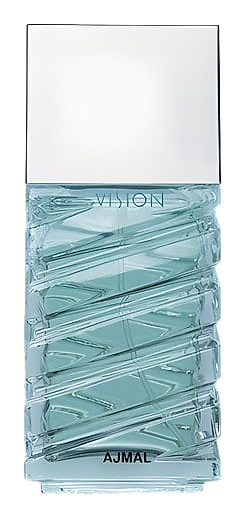
Vision arrived in 2010 as Ajmal's statement that heritage craft and everyday wearability aren't mutually exclusive. By then, the house had spent decades refining oud blends for the Gulf market, building a reputation for depth and authenticity. Vision was a different move entirely, a composition aimed at the man who wanted quality without ceremony, ambition without show. The name says it all: clarity, forward motion, a scent that works as hard as you do.
What makes Vision quietly interesting is its use of violet as a leading character in a masculine composition. Violet tends to live in feminine fragrances, lending them powdery softness. Here, it anchors a fresh-green-woody structure that reads as neither florally feminine nor aggressively masculine, just clean and composed. The pairing with green notes gives it lift, while cedar and musk in the base ensure the drydown feels warm and personal rather than fleeting. The house made a deliberate choice: deliver something reliable, not something loud.
The evolution
The opening announces itself quickly, bergamot and lemon hit bright and citrusy, with violet softening the top like a powdery cushion. The green heart arrives within minutes and takes over, but here's the thing: violet doesn't fully leave. It lingers beneath the green like a watermark, never quite disappearing. The woody base starts asserting itself around the 30-minute mark as the florals thin out. Cedar brings structure, musk adds warmth, and ambergris threads through like a quiet exhale. By hour two, you've got something close and skin-like. Projection stays moderate throughout, present without broadcasting. On clothes, the drydown holds longer. Cedar and musk remain, intimate and close, for a solid six to eight hours.
Cultural impact
Vision found its audience among men who wanted quality without ceremony. For those who couldn't or wouldn't spend on European luxury houses, it became a reliable staple, the fragrance that works every day without asking for applause. It's stayed in production since 2010, which is its own kind of cultural statement: the fragrance that found its people and kept them.