
The Story
Why it exists.
The beginning
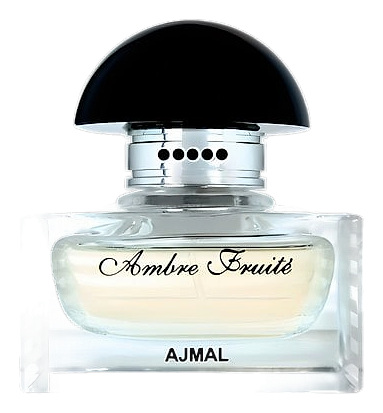
Ajmal built its name on depth, rare oud, resinous orientals, compositions that carry weight. Ambre Fruité entered the lineup in 2012 with a different agenda. The name says it all: amber and fruit, warmth and brightness in the same breath. It was Ajmal reaching for something newer, more accessible without abandoning the house's foundation in leather and spice. The idea was simple on paper: take the warm, enveloping character the house was known for and lead with something citrus-clear, something that could pull in a wider audience without feeling diluted. What resulted was a fragrance that asked for attention at the opening and earned it in the drydown. Grapefruit carries the top. Not bergamot, not lemon, grapefruit, with all its tart edge and bitter pith. It announces itself and refuses to apologize. Behind it, the spices arrange themselves in a warm middle ground: black pepper's bite, cinnamon's sweetness, patchouli's earth.
The structure here is worth examining. Grapefruit is an unusual choice to open an oriental-spicy fragrance. Most compositions that lean into amber and leather start warm from the beginning, a slow build of resin and spice. Ambre Fruité inverts that. The grapefruit pops, cold and sharp, before yielding to the warm heart. That inversion creates tension: the first ten minutes feel almost disjointed from what follows, citrus brightness against deepening spice. The tonka bean is the unsung element here. Its coumarin richness, that sweet, hay-like warmth, bridges the gap between the bright opening and the earthy base. Without it, the transition from grapefruit to patchouli might feel jarring.
The evolution
The grapefruit arrives first. Bright, tart, immediate, a flash of citrus that cuts through whatever mood you're in. It announces itself without hesitation. For the first twenty to thirty minutes, that's the fragrance: grapefruit, grapefruit, grapefruit. The black pepper and cinnamon begin to emerge around the half-hour mark, threading through the citrus and starting to warm the composition. The patchouli adds earthiness underneath, preventing the spices from becoming too sharp. By the second hour, the citrus has receded. The heart has taken over: a warm, spiced blend of black pepper and cinnamon softened by tonka bean's sweetness. Patchouli keeps the earthiness present. The leather hasn't fully arrived yet, but it's building in the background, adding structure. The amber begins to surface, that warm resinous quality that gives the composition its backbone. The drydown is where Ambre Fruité settles into itself. Amber and leather dominate. The tonka bean lingers, adding a vanilla-like sweetness that rounds the edges. The patchouli stays close, grounding everything.
Cultural impact
Ajmal's global reach and reputation for rare oud blends suggests Ambre Fruité sits within a house known for depth and heritage compositions. The fragrance's warm, leather-forward drydown aligns with Ajmal's established aesthetic, while the bright grapefruit opening offers a modern counterpoint. Without specific press or market reception data, the fragrance's cultural footprint is best understood as part of Ajmal's broader catalog, an accessible entry point to the house's oriental character.