The Story
Why it exists.
The beginning
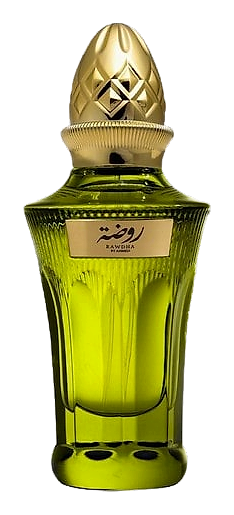
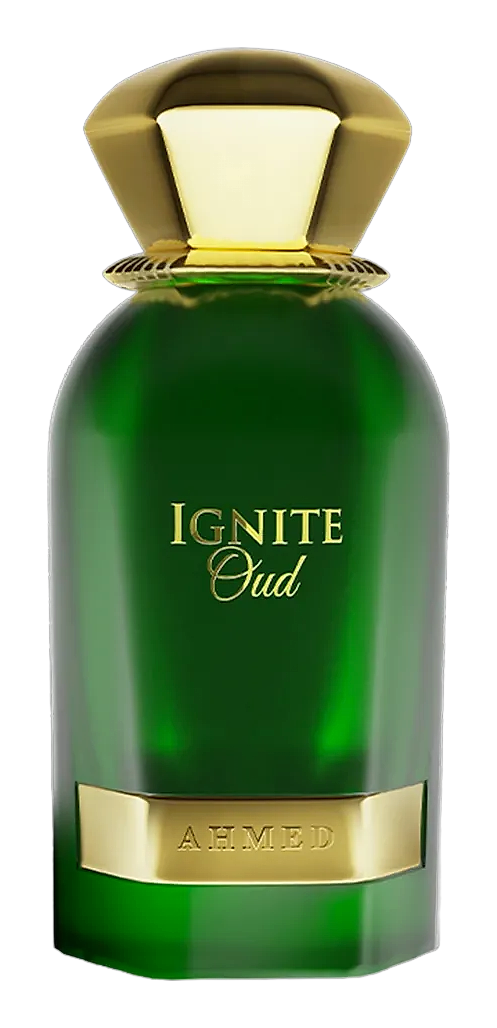
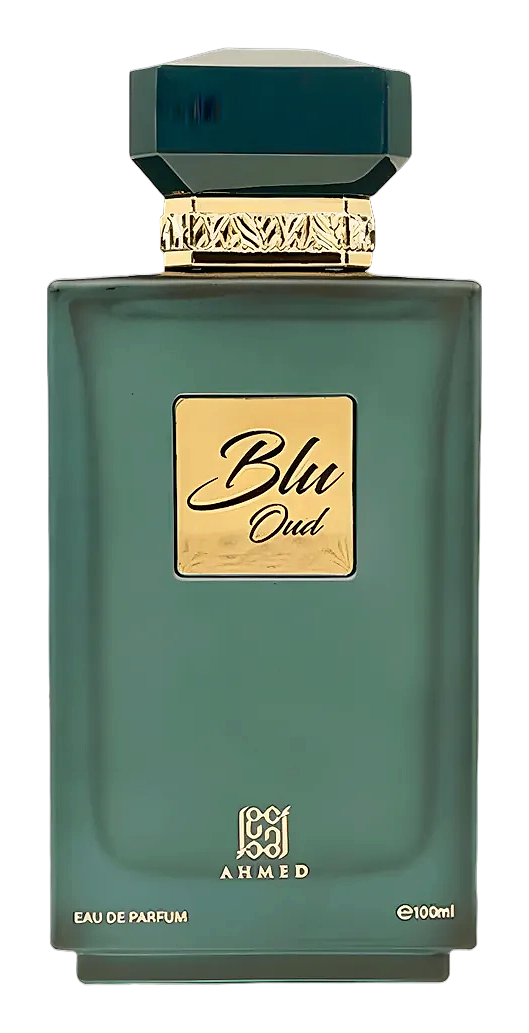
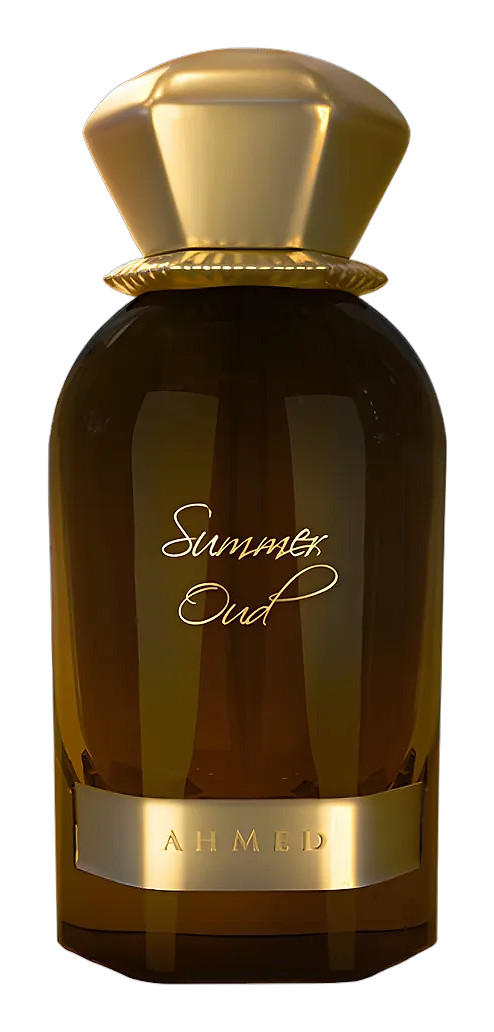
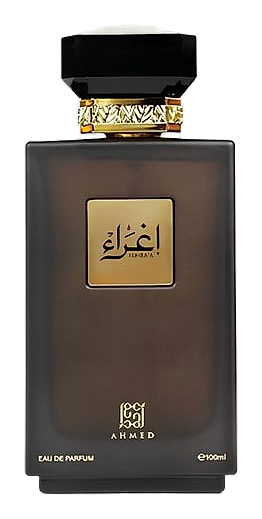
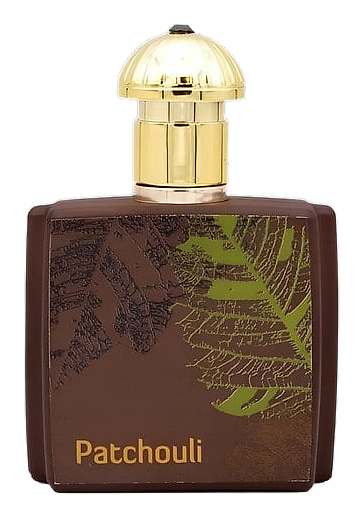
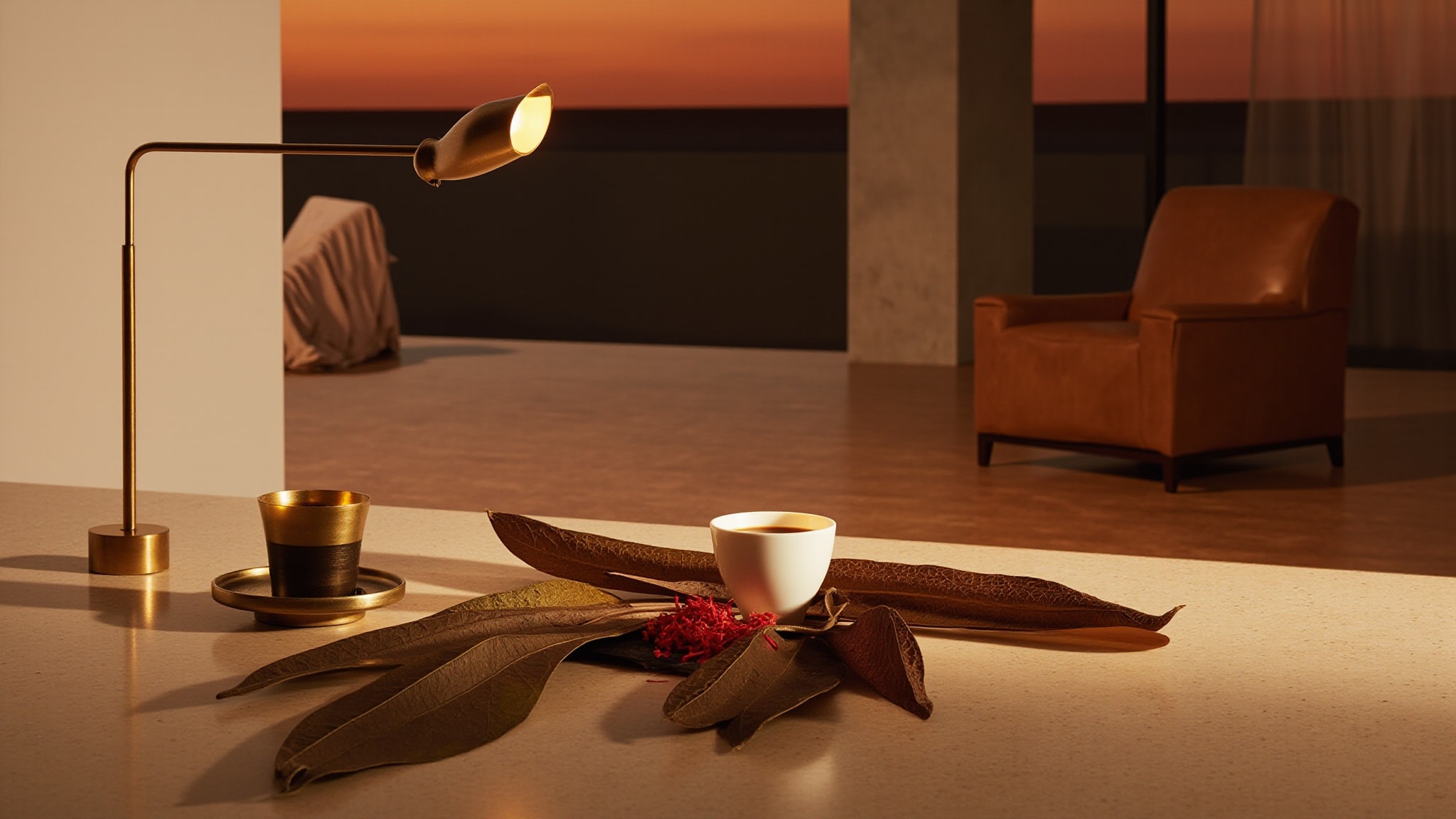
Patchouli landed in 2017 from Ahmed Al Maghribi, a house whose work draws on Arabic heritage, oud, musk, and amber as core touchstones. This one strips the oud down to a supporting role and lets the title note carry the weight. Here, patchouli is the spine, and everything else is there to dress it. Not a floral. Not a freshie. A study in what happens when you take an earthy, polarizing material and refuse to soften it for mass appeal. The opening carries a sharp, slightly bitter green edge, the kind of raw patchouli leaf character that feels unwashed and alive rather than smooth and commercial. Rose and saffron warm the top with a soft, spiced floral haze, almost like incense smoke curling through the air before the heavier notes settle in.
What makes this composition worth attention is the deliberate imbalance. Rose and saffron offer a brief, almost decorative warmth at the top. Then patchouli takes over with myrrh, the resinous note that pulls smoke into the structure. The base layers in oud, guaiac wood, and black musk, three dark, dense materials that refuse to lift. Nothing about this is accidental. It's a constructed heaviness, and the wearer either wants that gravity or doesn't.
The evolution
The first thirty minutes are a negotiation. Rose and saffron do their work: warm, slightly spiced, with a floral lift that could almost be mistaken for something gentle. Then patchouli walks in and clears the room. Not a fade-in. A takeover. The myrrh arrives alongside it, adding smoke and a low resin hum that darkens the whole composition. By hour two, you're in full earthy territory. The oud deepens at the base, guaiac wood adds a smoked wood note, and black musk settles everything into something almost mineral. The rose fades by hour three or four. What remains is dense, woody, and refuses to leave. Longevity reads as above-average based on available community feedback, and sillage sits comfortably at a strong level without overwhelming the room. The next morning, on a sweater or scarf, there's a faint trail: dark wood, dried resin, the ghost of rose. It doesn't fully disappear.
Cultural impact
Patchouli is one of those materials that carries more cultural weight than most people realize. As a note, it has traveled widely, showing up across different regions and traditions in ways that go beyond simple perfumery. The raw leaf itself has a distinctive scent, earthy, damp, slightly bitter, and that profile translates directly into how it reads on skin. In fragrance, patchouli tends to function as an anchor, grounding brighter notes and giving compositions a heavier, more lasting base. It pairs naturally with resins, woods, and dark florals, which is why it shows up so often in oriental and incense-forward compositions.