
The Story
Why it exists.
The beginning
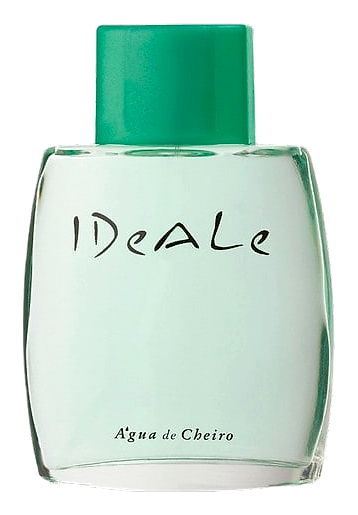
The name Ideale is the brief. What does an ideal scent actually smell like, in the context of a Tuesday morning, a shared lunch, a body moving through a day? Água de Cheiro answers with ease. Not ceremony. Not performance. A fragrance that settles into skin the way confidence should, quietly, without argument. Lavender gives it clarity. The citrus keeps it open. The warm woody base makes it feel worn, lived-in, familiar. This is ease as ambition.
The note structure in Ideale is built for versatility rather than statement. That lavender top, cool, herbaceous, immediately recognizable, functions as a reset button. It signals cleanliness without clinicality. Beneath it, bergamot and mandarin orange create a citrus layer that is sunny without being sharp, the kind of brightness that reads as warmth from across a room rather than zest on first sniff. The peach and magnolia heart is the surprise: velvety, intimate, almost soft. It keeps the opening from feeling too austere. By the time the drydown arrives, musk, sandalwood, cedar, tonka bean, the fragrance has completed its quiet argument. Powdery warmth that stays close.
The evolution
The opening hits immediately. Cool lavender, bright citrus, that specific clarity that arrives with bergamot and mandarin working in tandem. It reads herbaceous without being medicinal, closer to a garden in morning light than a laboratory. Around the hour mark, the heart arrives. Peach and magnolia swell together, warm and almost velvety, a phase that feels like it belongs to a different, softer fragrance entirely. Then the handoff. The florals recede and the drydown settles in, tonka bean first, giving that powdery warmth, then sandalwood and cedar arriving to ground everything. Musk holds it all close to the skin. The final hours smell like warm fabric, like skin, like something that has been part of the day long enough to become part of the person wearing it.
Cultural impact
Ideale has been in continuous production since its launch, a rare position for a Brazilian mass-market fragrance. That staying power says something: it works, season after season, for people who want scent to be part of the day rather than the event. Spring and summer carry the most votes, but the powdery woody drydown extends its range into cooler months. Daytime wear dominates the community data, which aligns with what the fragrance itself is doing, projecting enough for presence, not enough for performance. Wearers describe it as the kind of scent a coworker notices but cannot quite name, the one they lean across the desk to ask about.