
The Story
Why it exists.
The beginning
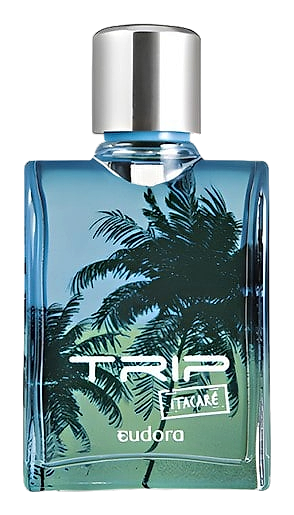
TRIP Itacaré opens with bright citrus notes that feel like morning light hitting the coast. The heart develops into a warm, slightly salty accord that evokes the feeling of sun-warmed skin. The base settles into a soft, skin-like warmth with subtle woody undertones that linger gently. Each layer blends seamlessly into the next, creating a fragrance that feels both fresh and intimate. The scent evolves over time, starting vibrant and gradually becoming more personal as it works with your natural chemistry. It's the kind of fragrance that reveals new details each time you wear it.
The note structure reflects the landscape's own architecture. Bergamot and pepper arrive together, citrus brightness alongside green spice, like walking from shade into sunlight. Herbaceous notes fill the middle, giving the fragrance its botanical depth, while woody notes ground everything that comes before. It's a simple pyramid, but it works.
The evolution
The opening announces itself quickly. Bergamot cuts bright and clean, pepper follows with a green snap that lingers through the first hour. Then the herbal heart takes over, aromatic, slightly sweet, distinctly Brazilian. The woody base doesn't rush. It arrives late, settling into the composition slowly, adding warmth and a quiet staying power that outlasts the initial brightness. What lingers is clean, warm, close to the skin. The kind of drydown that makes people lean in.
Cultural impact
TRIP Itacaré emerged in 2014 during a cultural shift in Brazilian perfumery when consumers began seeking fragrances that reflected personal identity rather than mass-market appeal. Eudora, operating under Grupo Boticário's umbrella, positioned this scent as part of a broader movement toward accessible Brazilian niche. The fragrance draws from Itacaré's reputation as a laid-back surf destination on Bahia's coast, translating coastal lifestyle into scent form. Its fresh-spicy-green profile references Brazilian botanical traditions while maintaining international perfumery standards. The launch coincided with Brazil's growing fragrance market, where consumers developed more sophisticated expectations around scent storytelling and regional authenticity.