The Story
Why it exists.
The beginning
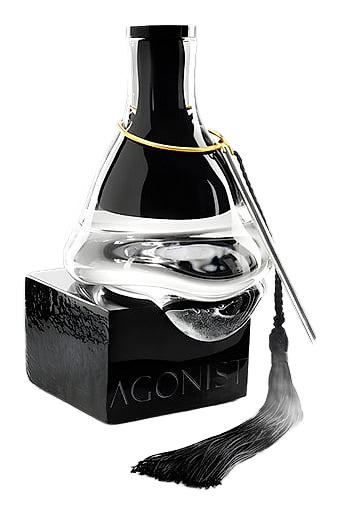
Kallocain opened the Agonist house in 2008, the debut piece from the label and the fragrance that put the name on the map. The title borrows from Karin Boye's novel, a work that treads the territory of jealousy, control, and desire, all the friction between what people show and what they keep hidden. That literary scaffolding sits underneath a scent built from green tomato, rice, and cotton flower, an unusual, deliberate combination that reads less like food than like atmosphere. The bottle itself is part of the statement: glass artist Åsa Jungnelius of Kosta Boda designed the flacon, turning the vessel into a sculptural object. After release it entered the permanent collection of the Röhsska Design Museum in Sweden and has been exhibited around the world since.
What makes Kallocain structurally unusual is the absence of anything obvious to anchor it. No oud, no rose, no tobacco, none of the usual scaffolding most perfumes lean on. Instead it builds texture from materials most perfumers treat as background: rice as a soft, starchy grain note; green tomato for a vegetal, slightly bitter edge; cotton flower for clean, slightly soapy warmth. Aquatic notes and ivy carry the middle, lending an ozonic, watery quality that feels more like architecture than flavor.
The evolution
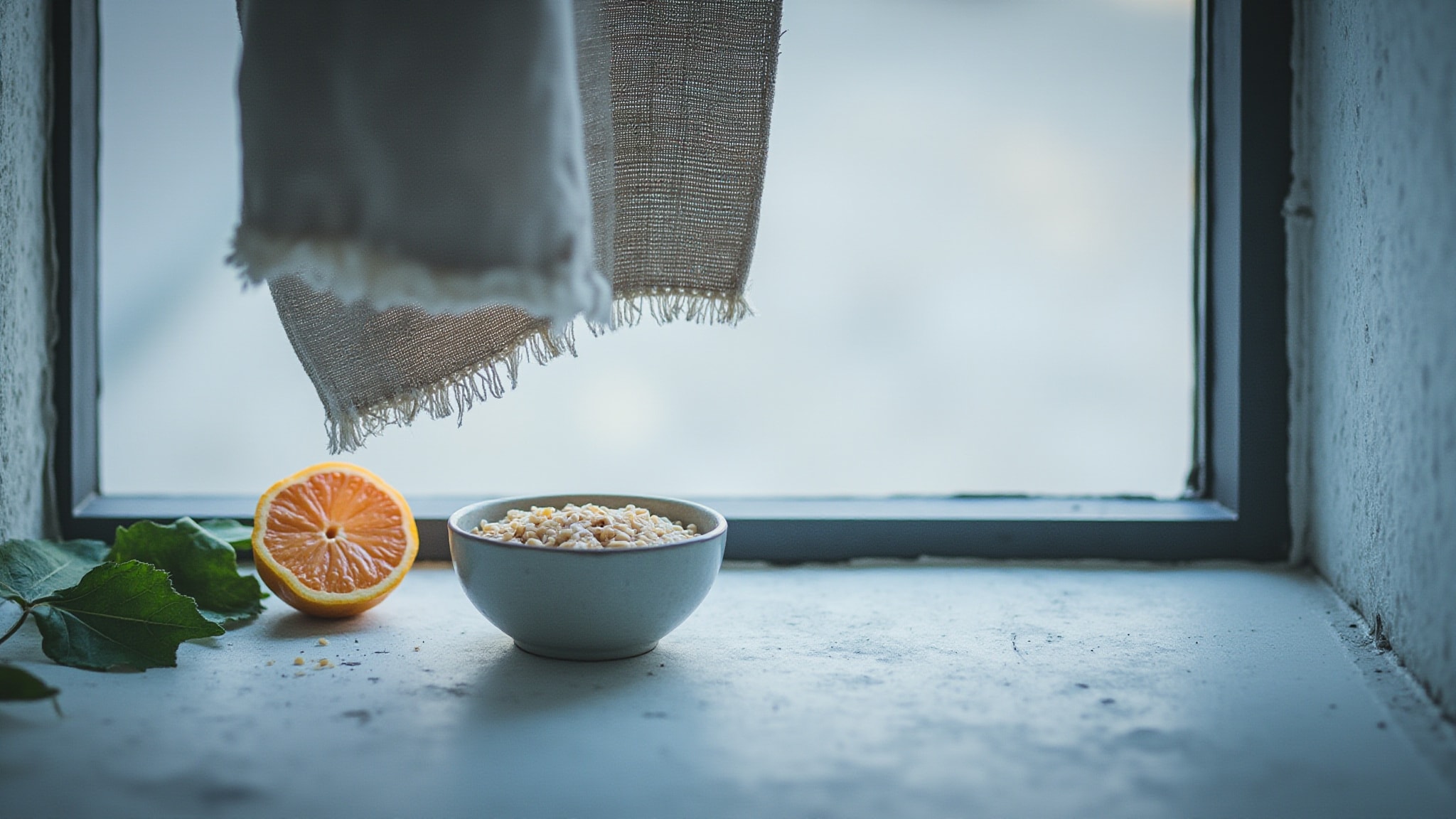
The first spray hits with the sharp green of tomato and the bright zest of mandarin, an almost vegetal citrus that smells less like fruit and more like a plant still attached to its stem. That opening is the loudest Kallocain gets, and it doesn't shout. Within fifteen to twenty minutes the citrus recedes and the heart takes over. Rice gives a soft, powdery texture, like steam off warm grain, that grounds the brighter notes without smothering them. Ivy and aquatic notes stretch the composition into something cooler, more transparent, a mist or a window left open in February. The cotton flower arrives late and stays, wrapping everything in a clean, almost fabric-softener warmth that reads as skin-adjacent rather than soapy.
Cultural impact
Kallocain sits at the intersection of literary reference and Nordic minimalism, named for Karin Boye's novel about jealousy, control, and desire. Its bottle, designed by Kosta Boda artist Åsa Jungnelius, entered the permanent collection of Sweden's Röhsska Design Museum and has since been exhibited internationally. That dual existence, as both a fragrance and a museum object, gives it a weight most releases never accrue, and it shows up in how collectors talk about the brand, more in terms of concept than compliment.