The Story
Why it exists.
The beginning
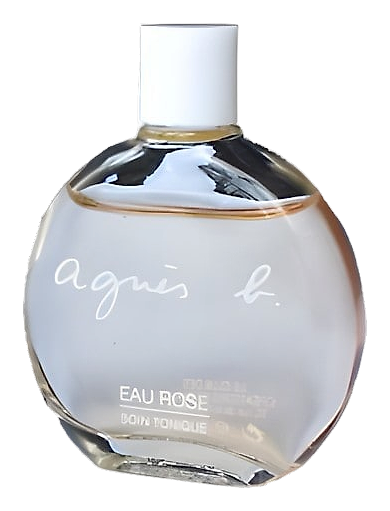
Eau Rose sits within the Agnès b. fragrance wardrobe as a study in restraint. Olivia Giacobetti, the nose behind it, treats rose the way the fashion house treats a stripe: simply, precisely, without ornament. The composition reads as if designed for a woman who already knows what she likes and doesn't need the scent to explain her. Two notes. That's the entire brief. The discipline is the point. By the time Giacobetti was handed this project, Agnès b. had already established its quiet Parisian identity, built on clean lines and the idea that personal style could be a private language rather than a broadcast. Extending that philosophy into fragrance was less about launching a new category than about bottling the same restraint. Giacobetti understood the assignment.
What's interesting here is what Giacobetti left out. No oud. No amber. No gourmand trickery. Just citruses laid against petals, and the tension between those two materials doing all the compositional work. Citrus adds lift, transparency, a slight sourness that keeps the rose from collapsing into sweetness. The rose, in return, gives the citrus something to lean against. Each note sharpens the other.
The evolution
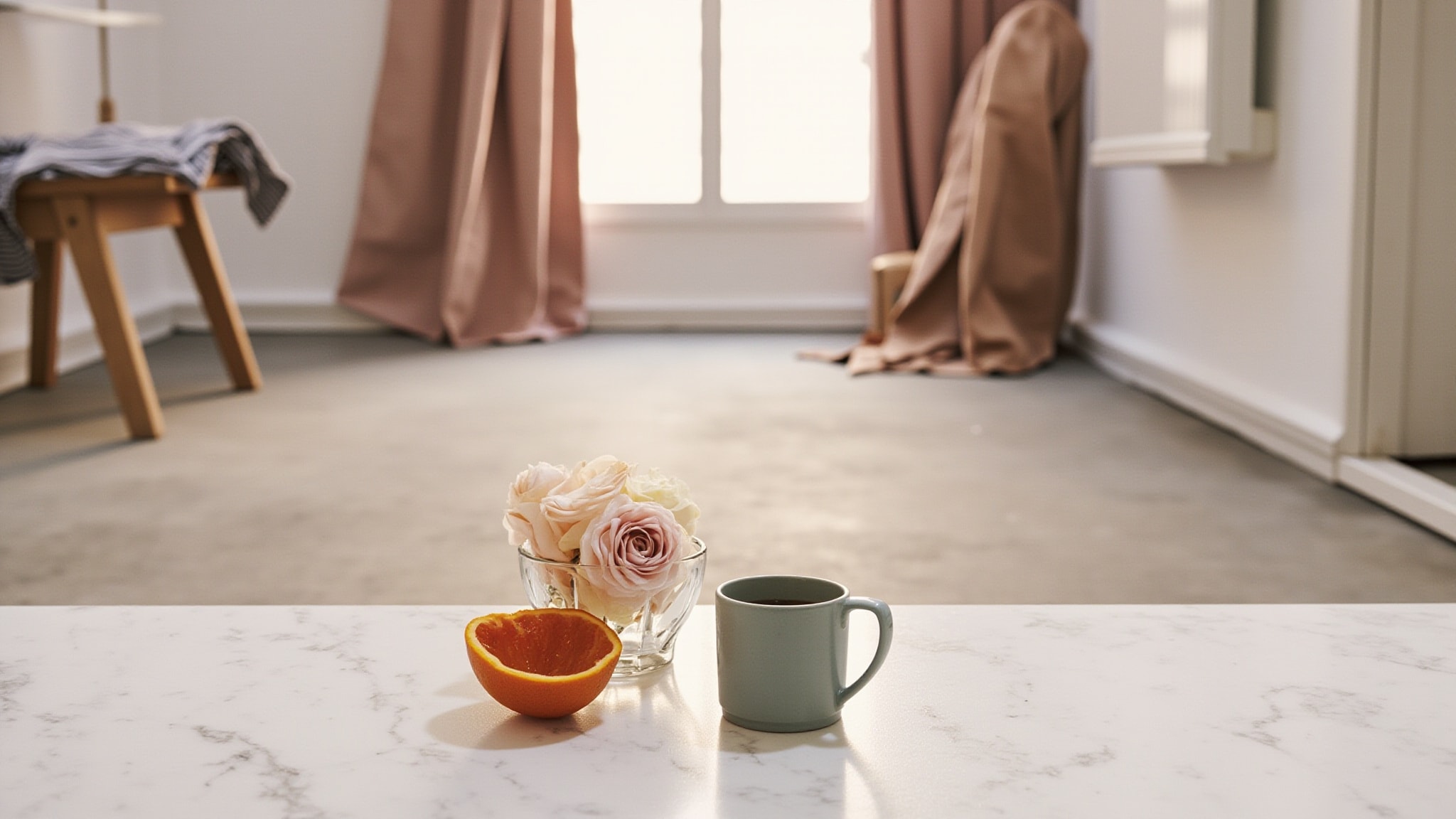
The first moments are where the citrus does its loudest work. A sparkling, almost carbonated brightness lifts off the skin, brisk and unapologetic, the kind of brightness that cuts through cool morning air. The rose is there from the start, though it waits. It doesn't push forward. It listens, hovering just beneath the citrus like a thought not yet spoken. Somewhere in the first half hour, the hand-off happens quietly. The citrus loses its sharpest acidity and softens into a rounder, almost creamy tone, losing its bite without losing its presence. This is where it becomes itself, and it's not a bold, baroque rose. It's a fresh one, dewy and immediate, the way petals feel when they're still holding the coolness of an early morning. The petals carry a softness without tipping into the soapy or the powdery. They read as alive rather than preserved.
Cultural impact
Eau Rose occupies a particular corner of the rose category: the one for people who find most rose fragrances too sweet, too powdery, or too insistent. It reads as fresh and immediate rather than opulent, closer to petals still holding morning chill than to any dense, lacquered floral of an older tradition. Within the broader landscape of rose-forward fragrances, it stands out precisely because it refuses to perform. There's a quiet confidence to the composition, the kind that doesn't require acknowledgment to feel complete. It doesn't decorate the wearer. It accompanies them.