
The Story
Why it exists.
The beginning
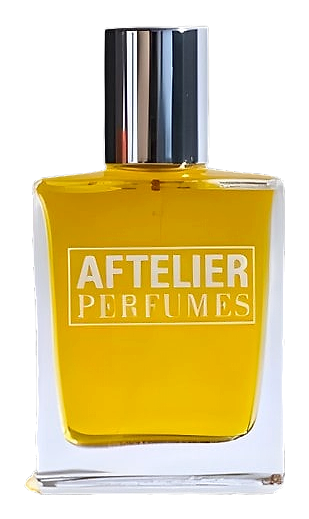
Absinthe draws from the botanical, the name itself a signal. Wormwood sits at the center of a composition that uses natural essences to build something more grounded than the drink's mythology suggests. Grapefruit and orange open the way, their citrus bitterness sharpened by the wormwood's herbal weight. Cedar and pine run underneath, giving the structure a dry, resinous backbone, and vanilla rounds the edges with a warmth that keeps the whole thing from turning austere. The result is an aromatic fougère, bitter and sweet in alternating measures, more concerned with what the plants actually do on skin than with any legend attached to them.
Wormwood, or artemisia, is the thread. That green herb does most of the conceptual work in a fragrance named after a notorious drink. Pairing it with vanilla creates a sweet counterpoint to the bitter herb. Vermouth in the base extends the cocktail reference, its fortified-wine character adding depth and a fermented sweetness that sits underneath the woods. The cedar and pine thread through the heart, adding the woody backbone that separates this from a simple herbal cologne.
The evolution
The opening arrives sharp and immediate. Grapefruit and orange hit first, bitter-edged citrus that reads almost medicinal before the sweetness registers. The citrus stage gives way to the heart, and this is where artemisia earns its name. The wormwood is unmistakable, green and slightly numbing, with resin pulling the composition toward something denser and less friendly. Cedar and pine arrive underneath, giving the herbal stack a woody architecture that keeps it from floating away. Lemon adds a last bright accent before the citrus recedes. The transition into drydown is a shift in temperature more than a shift in notes. Vanilla and vermouth take over, the bitterness still present but now cushioned by warmth. The wormwood doesn't disappear. It just becomes quieter, settling into skin as a herbal memory rather than a statement.
Cultural impact
Absinthe occupies a specific territory in natural perfumery, the kind of fragrance that takes a single botanical idea and builds an entire composition around it. The wormwood theme is unusual enough to stand out, and the result is a scent that references absinthe the drink without trying to recreate it literally. It shares ground with other natural perfumeries that build from specific materials rather than abstract mood boards, and the composition rewards close attention the way good natural perfumery always does.