The Story
Why it exists.
The beginning
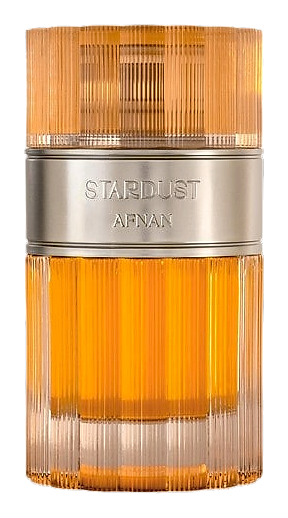
Stardust is a 2026 release from Afnan, signed by perfumer Arturetto Landi. The concept is simple and unapologetic: take the bright fizz of a cold citrus glass, then drop it into something warm and indulgent. Aldehydes arrive at the top alongside bergamot, grapefruit, mandarin orange, and orange, all opening at once in a rush of cold, sharp brightness. That effervescence isn't decorative. It's the whole point of the name. Stardust catches light. This is the olfactory version of that first sip, the spray, the shimmer. The fragrance treats brightness as a main course, not a polite introduction before something serious arrives. The aldehydes give the citrus its almost carbonated quality, the kind of scent that seems to pop and crackle against the skin like tiny bubbles against glass.
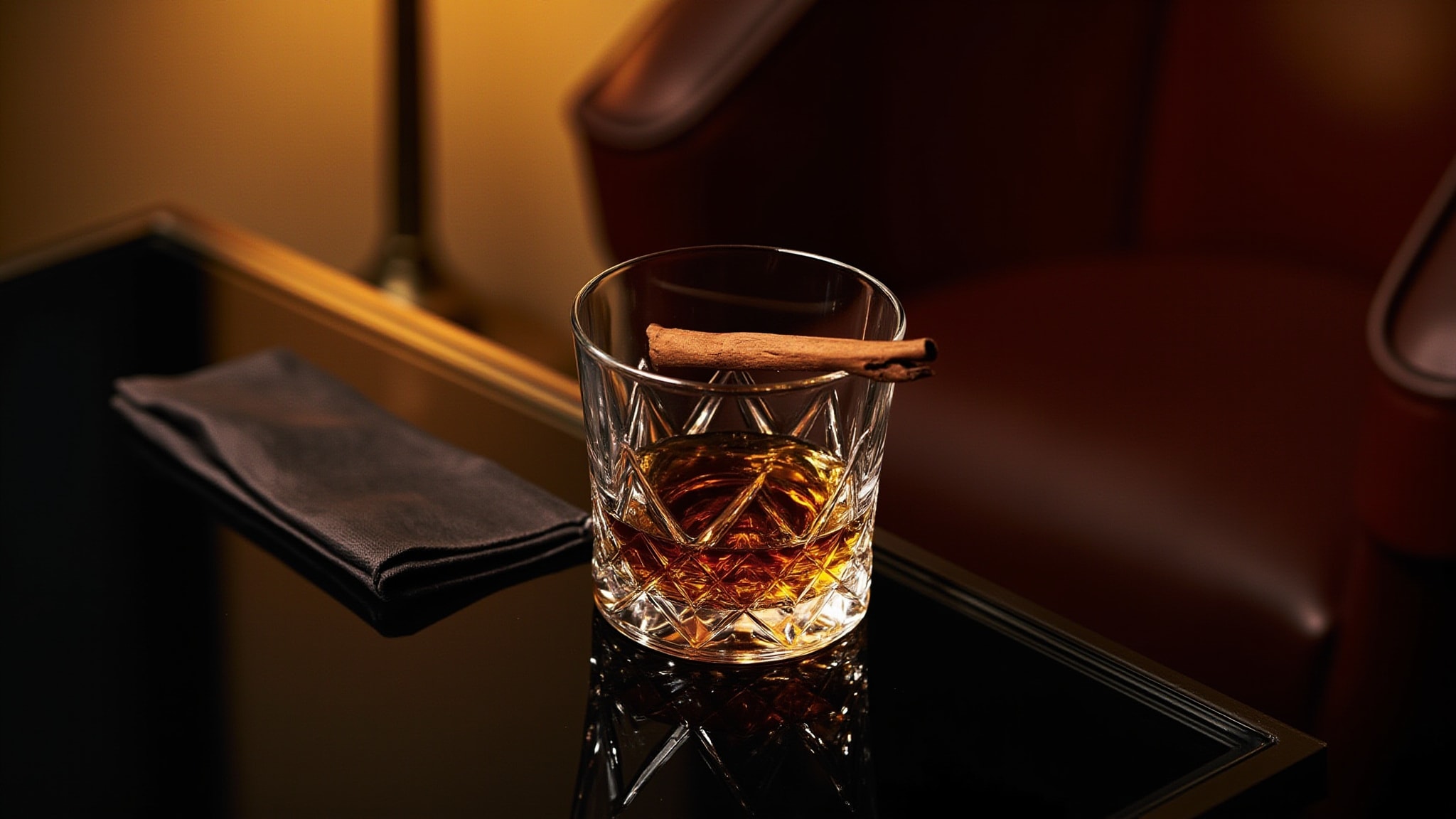
What's interesting is the pivot at the heart. Stardust does the opposite of what you'd expect from a citrus-driven composition. It loads cinnamon and cognac into the center like a dare, then sweetens the drop with caramel, a combination that could easily slide into gourmand territory or feel syrupy. Instead, the aldehydes at the top keep the whole thing in the air, sparkling, almost sherbet-like, so the boozy warmth never fully surrenders to dessert. The base finishes the argument.
The evolution
The opening is pure lift. Aldehydes and citrus read almost like a fancy soda, fizzy, bright, and a little surreal. Soon after, the cinnamon starts to glow underneath, warming the citrus without dulling it, and the cognac adds a round, boozy undertone that makes the whole thing feel less like a cologne and more like a nightcap. As the composition settles, it tips fully into its drydown. The caramel melts into the amber. Sandalwood and myrrh take over as the dominant voices, with tonka bean adding a soft, almost vanillic haze. The oak gives it just enough structure to keep the base from going flat. What's left on skin is a warm, woody, slightly resinous close. The sparkle is long gone. What's left is the kind of scent that shows up on a scarf the next morning, softer, a little rounder, and unexpectedly comforting.
Cultural impact
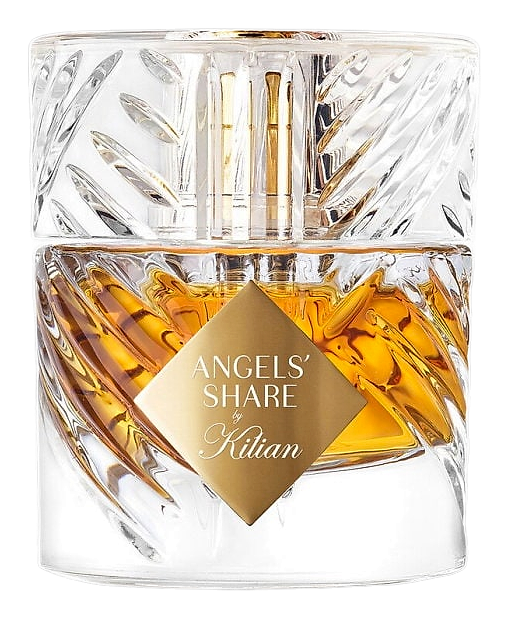
Stardust entered the conversation as a 2026 release that didn't try to hide its intentions. From the first sprays shared online, the aldehydic citrus top became the talking point, that fizzy, almost champagne-like opening that gave the fragrance an immediate identity. On Parfumo, one user has noted similarities to Kilian's Angels' Share on the Rocks and Sospiro's Vibrato, both fragrances that live in the same boozy, cinnamon, woody-amber corner. What separates Stardust from those references is precisely the aldehydic crackle at the top, a brightness the others skip in favor of diving straight into the warmth.