The Story
Why it exists.
The beginning
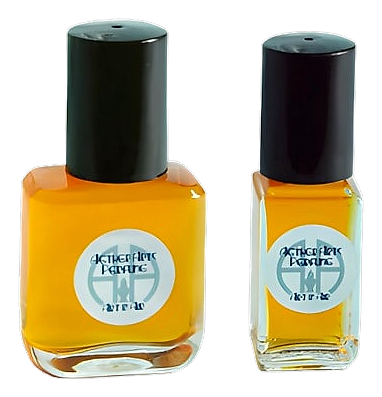
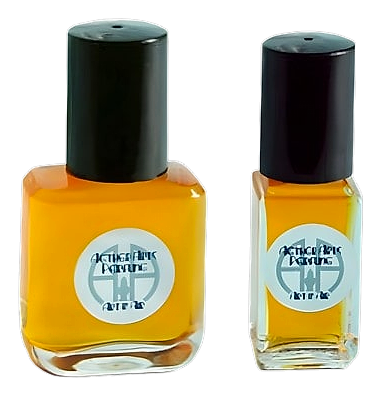
Amber Jobin dreamed it. Prokofiev's opera, "A Love for Three Oranges," had been rattling around in dreams, all surrealist commedia dell'arte and fairy princesses tumbling from giant citrus. Then the dream came: the perfume was fully formed, every part of the orange tree present at once. Flowers, fruit, leaves, twigs, bark, as if perched in an orange tree and seeing it all at once. Released in 2015 under the Aether Arts Perfume label, the scent arrived like a memory that hadn't happened yet, except it had. Jobin had grown up near citrus trees in Florida, marveling that oranges, grapefruits, and limes could thrive there. The opera woke something. The Florida yard confirmed it. The perfume landed somewhere between both.
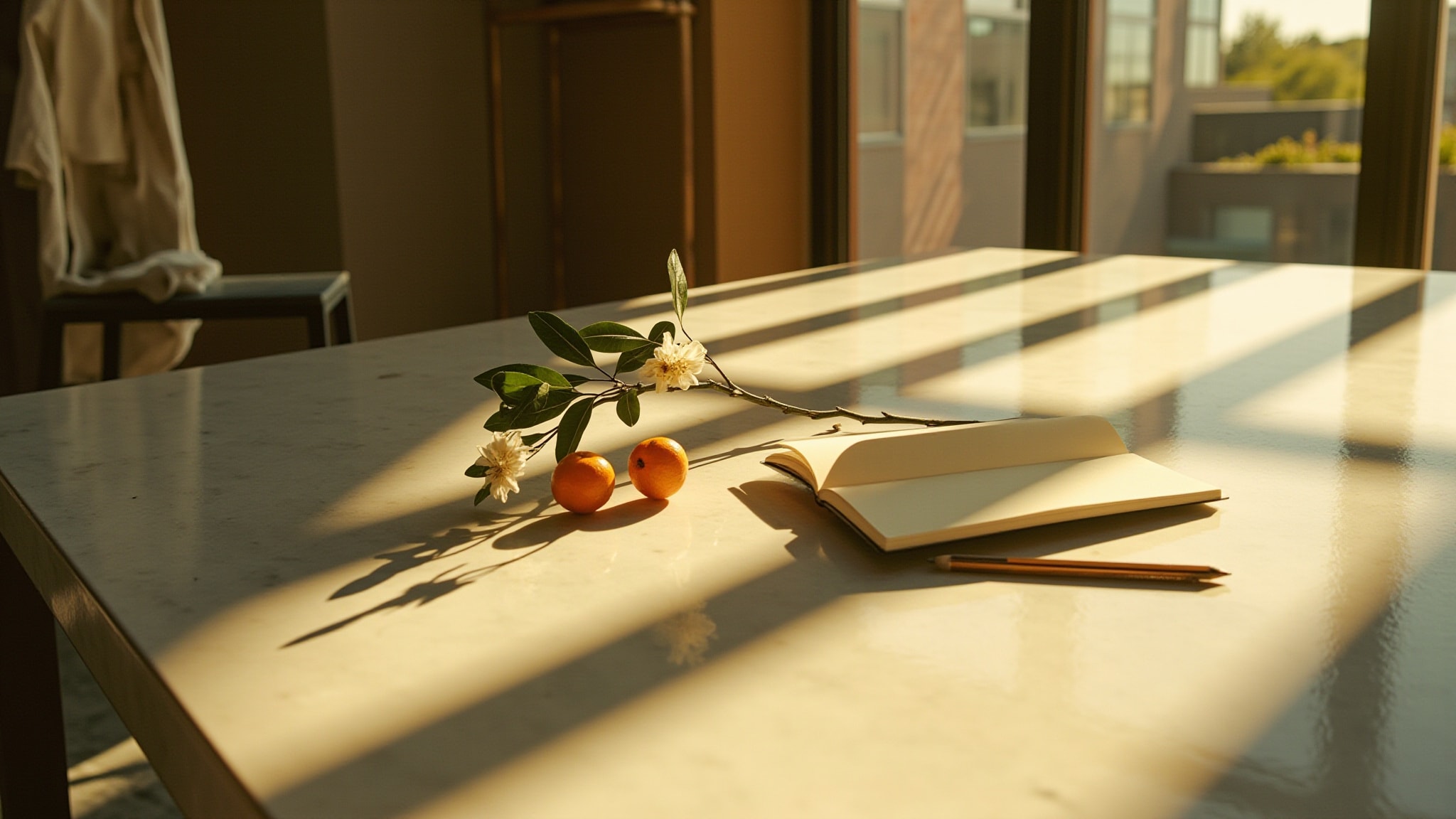
Jobin did something structurally stubborn: she rendered the entire organism simultaneously. The juicy citrus accord, built from layered orange notes, shares the stage with fresh orange blossom and green leafy sharpness, then woody bark grounds everything. It's a petit-four problem scaled to architecture. Flower, fruit, tree, held in suspension rather than sequential reveal. The juice doesn't retire when the flower arrives. The flower doesn't vanish when the bark steps forward. Each zone keeps speaking while the others take their turn.
The evolution
On skin, the opening lands fast and vivid, almost candied in its orange intensity. That first stretch reads like citrus oil pressed straight from the peel, bright and almost sharp enough to make you blink. Then something subtle happens: the sharpness doesn't fade, it redirects. The orange blossom unfurls underneath, creamy and white, and the green notes rise to meet it like leaves catching a breeze. The sweetness softens from candied to floral without losing any of its presence. Over time the composition settles into its quieter registers. The citrus recedes. What remains is warmer, woodier, a quiet bark-and-leaf impression that hums rather than announces. The floral creaminess mellows into something closer to dried petals than fresh ones. The green sharpens into a drier, more herbal register, closer to bay leaf than living stem.
Cultural impact
As a 2016 Art & Olfaction Awards finalist, Love for 3 Oranges earned recognition within independent perfumery for its ambition and its refusal to simplify the orange tree down to a single slice. The fragrance rewards wearers who notice the green-and-woody quiet underneath the radiant fruit, the kind of composition that asks for attention and repays it with layered, botanical depth. The finalist nod placed it in conversation with other artistic, narrative-driven releases of that awards cycle, and its citrus architecture sets it apart from fruit fragrances that settle for a single bright accord.