





    Brand Profile

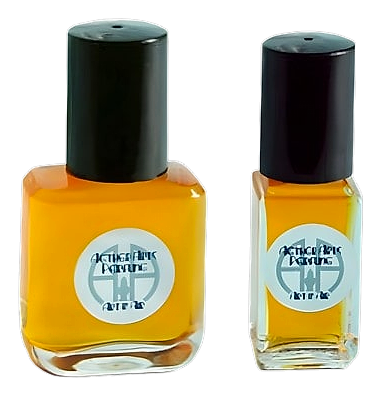
    Aether Arts Perfume is a Boulder, Colorado atelier that treats scent as a visual medium. Founder Amber Jobin translates moments, places and…More

    United States·Est. 2012·Site

    4.7

    Rating

    19
    Saffron by Aether Arts Perfume
    Best Seller
    4.7

    Saffron

    Burner Perfume No 1:  Black Rock City by Aether Arts Perfume
    Best Seller
    4.5

    Burner Perfume No 1: Black Rock City

    Aether Argent by Aether Arts Perfume
    Best Seller
    4.5

    Aether Argent

    Reefer Madness by Aether Arts Perfume
    4.5

    Reefer Madness

    Mayan Chocolate by Aether Arts Perfume
    4.4

    Mayan Chocolate

    Love for 3 Oranges by Aether Arts Perfume
    4.2

    Love for 3 Oranges

    Burner Perfume No 4: John Frum by Aether Arts Perfume
    4.1

    Burner Perfume No 4: John Frum

    Scylla by Aether Arts Perfume
    4.0

    Scylla

    Electrum by Aether Arts Perfume
    3.5

    Electrum

    Burner Perfume No 6:  Reflection by Aether Arts Perfume
    3.3

    Burner Perfume No 6: Reflection

    Magic Mushroom by Aether Arts Perfume
    3.3

    Magic Mushroom

    Ginger Rose by Aether Arts Perfume
    3.3

    Ginger Rose

    1 of 2

    The Heritage

    The Story of Aether Arts Perfume

    Aether Arts Perfume is a Boulder, Colorado atelier that treats scent as a visual medium. Founder Amber Jobin translates moments, places and artistic concepts into limited‑run oils and sprays. Each release carries a distinct narrative, from the desert‑inspired Black Rock City to the ceremonial cacao of Mayan Chocolate. The brand’s catalogue reads like a curated exhibition, inviting collectors to experience fragrance as a portable artwork.

    Heritage

    Amber Jobin launched Aether Arts Perfume in the early 2010s after years of experimenting with natural aromatics in her home studio. The first public offering, Aether Argent, appeared in 2013 and signaled a shift toward scent‑driven storytelling rather than conventional marketing. Over the next decade, Jobin introduced a series of “Burner Perfume” editions that corresponded with the annual Burning Man event, each one tied to a specific camp theme or regional myth. Burner Perfume No 1: Black Rock City (2015) captured the dust‑kissed horizon of the Nevada desert, while Burner Perfume No 4: John Frum (2014) referenced a Pacific Island legend. In 2016 the line expanded with Reefer Madness and a saffron‑leather oil that blended spice, tobacco and vanilla, demonstrating the brand’s willingness to juxtapose gourmand and austere notes. The 2021 release Mayan Chocolate explored raw cacao and chile, drawing on ancient ceremonial uses of the bean. Most recently, Scylla (2023) introduced a marine‑metallic accord that references mythic sea monsters. Throughout its evolution, Aether Arts has remained a small‑scale operation, producing each fragrance in batches that sell out quickly, reinforcing the notion of scent as a fleeting, collectible experience. The brand’s growth has been documented in independent fragrance blogs and niche‑focused publications, which note its consistent emphasis on artistic intent over commercial volume.

    Craftsmanship

    Production at Aether Arts unfolds in a modest laboratory where Jobin mixes ingredients by hand, often using a balance that measures to the nearest milligram. The brand favors natural absolutes, essential oils and select synthetics that replicate rare notes without compromising safety. For the saffron‑leather oil, for example, Jobin blends cold‑pressed saffron extract with a leather accord derived from birch tar, then layers vanilla, hazelnut, jasmine and peach to create a gourmand backdrop. Ingredient sourcing follows a traceable path: saffron arrives from a cooperative in Iran, cacao beans are fair‑trade certified, and Chilean chiles are sourced from small farms in the Atacama region. Each batch undergoes a stability test that includes temperature cycling and sensory evaluation by a panel of trusted colleagues. The brand records every formulation change in a digital ledger, ensuring reproducibility while allowing room for subtle adjustments that reflect seasonal variations in raw material quality. Bottles are filled in a clean‑room environment, capped with hand‑polished glass stoppers, and labeled with minimalist typography that references the artwork that inspired the scent. Quality control culminates in a blind sniff session where the final product is compared against a reference sample to confirm fidelity to the original concept.

    Design Language

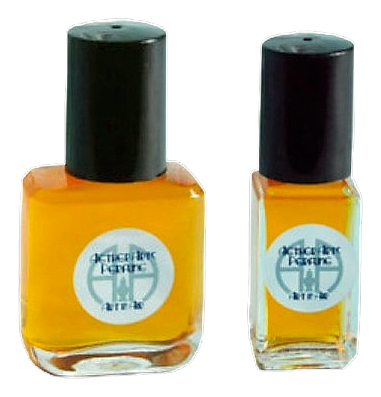
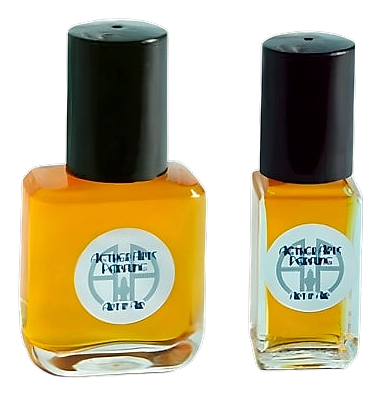
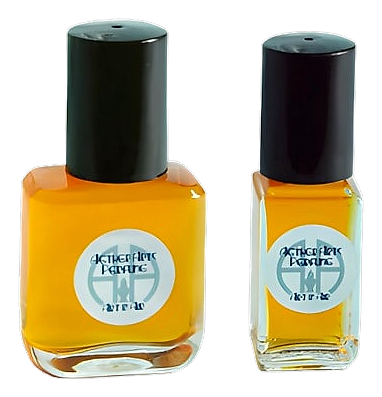
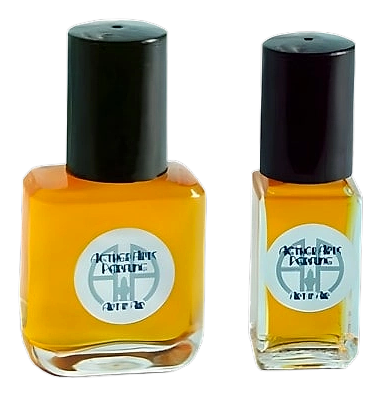
    Visually, Aether Arts adopts a minimal yet purposeful design language. Bottles are typically clear glass with a slender silhouette, allowing the perfume’s natural hue to become part of the presentation. Labels feature a single line of serif type, printed in matte black on textured paper that feels like fine stationery. Each release includes a small card that explains the inspiration behind the fragrance, often accompanied by a sketch or photograph related to the theme. The brand’s website mirrors this restraint, using generous white space, muted color palettes and high‑resolution images that focus on the bottle and accompanying artwork. Social media posts maintain the same aesthetic, favoring close‑up shots of the perfume alongside monochrome still‑life compositions. This visual consistency reinforces the idea that the scent is an extension of a broader artistic narrative, rather than a standalone commodity.

    Philosophy

    Aether Arts approaches perfumery as an act of personal expression, treating each aroma like a brushstroke on an invisible canvas. Jobin describes her work as “creating art in air,” a phrase that appears in several interviews and reflects a belief that scent can evoke memory, mood and place as directly as color or form. The brand prioritizes authenticity, sourcing raw materials that carry a clear provenance and allowing the natural character of each ingredient to shape the final composition. Rather than adhering to seasonal trends, Aether Arts selects themes that resonate with cultural rituals, mythic narratives or specific environments. This focus on narrative integrity guides the selection of accords, encouraging a dialogue between the wearer and the story embedded in the bottle. The company also embraces a collaborative spirit, inviting guest artists and musicians to suggest concepts that later become olfactory interpretations. Transparency about ingredient origins and a commitment to small‑batch production underscore a philosophy that values quality, curiosity and the intimate connection between scent and memory.

    Key Milestones

    2013

    Launch of Aether Argent, the first publicly released fragrance, establishing the brand’s narrative‑driven approach.

    2014

    Release of Burner Perfume No 4: John Frum, linking the line to Pacific Island folklore.

    2015

    Burner Perfume No 1: Black Rock City debuts, capturing the atmosphere of the Burning Man desert gathering.

    2016

    Introduction of the saffron‑leather oil, combining rare spice with gourmand notes.

    2021

    Mayan Chocolate arrives, exploring raw cacao and chile in a ceremonial context.

    2023

    Scylla releases, presenting a marine‑metallic accord inspired by mythic sea creatures.

    At a Glance

    Brand profile snapshot

    Origin

    United States

    Founded

    2012

    Heritage

    14

    Years active

    Collection

    1

    Fragrances released

    Avg Rating

    4.7

    Community sentiment

    Release Rhythm

    2023
    1
    2021
    1
    2016
    4
    2015
    5
    2014
    5
    2013
    3
    aetherartsperfume.com

    Did You Know?

    Interesting Facts

    Distinctive details and defining moments that shape the house personality.

    01

    The brand’s name, Aether, references the ancient Greek concept of the pure upper air that the gods breathed, underscoring the idea of scent as a lofty, intangible medium.

    02

    Aether Arts’ Burner series aligns each perfume with a specific Burning Man camp theme, making the scents collectible souvenirs of the event’s ever‑changing art installations.

    03

    The saffron used in the leather oil is sourced from a cooperative that practices sustainable harvesting, ensuring that the spice’s delicate stigmas are collected without damaging the crocus plants.

    04

    Amber Jobin often sketches the visual concept of a fragrance before mixing, treating the scent formulation as a translation of a drawing into aroma.

    The Artisans

    The Perfumers