The Story
Why it exists.
The beginning
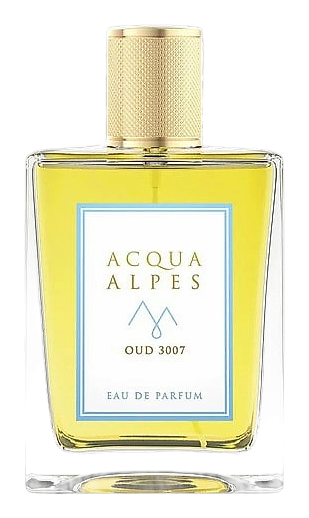
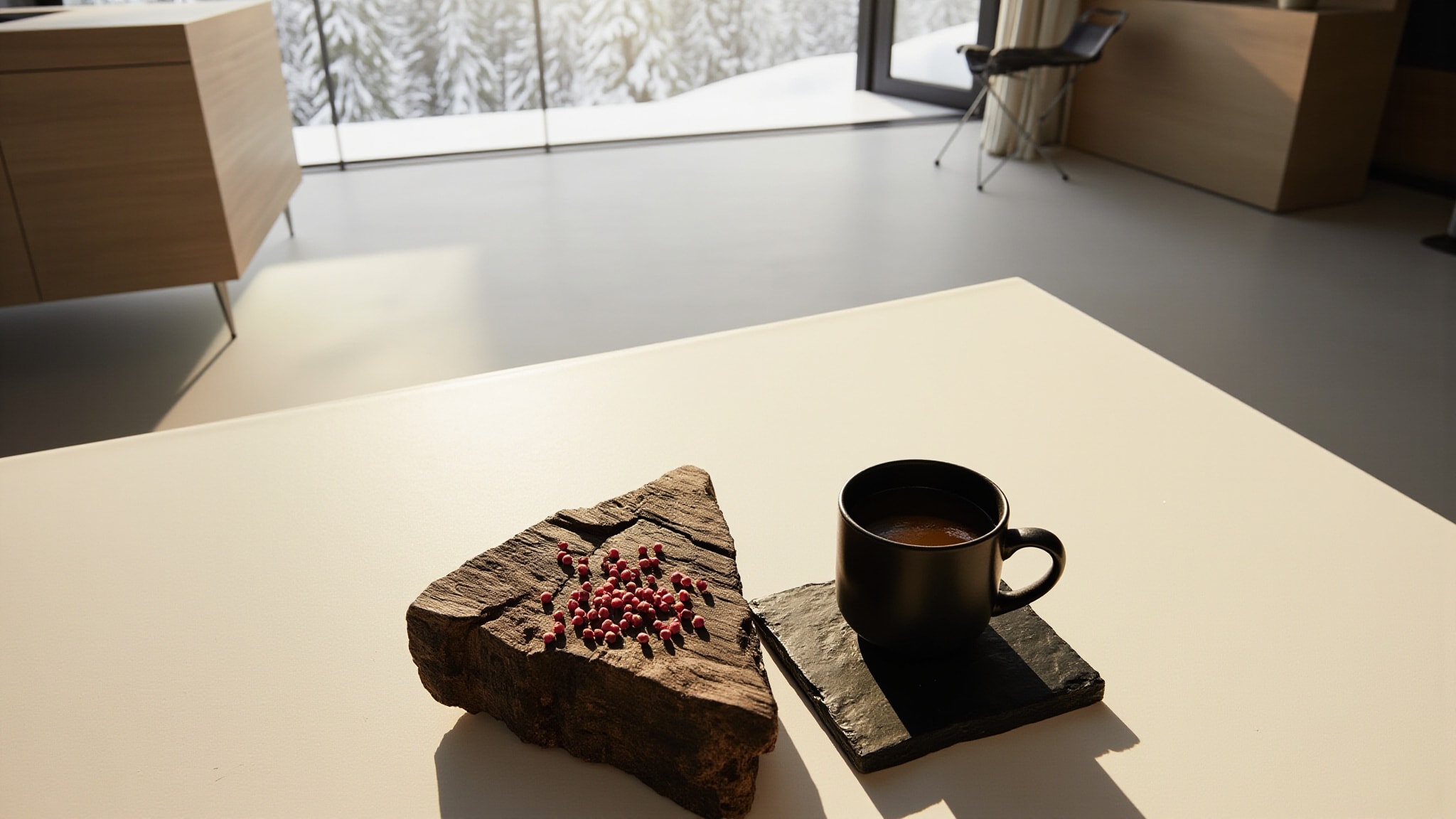
OUD 3007 takes its name from the Acherkogel, a Tyrolean peak standing at 3007 meters in the Austrian Alps. Launched by Acqua Alpes, the composition draws directly from that elevation. Each fragrance carries the name and altitude of a specific peak, and the Acherkogel offered the inspiration for a scent that would translate high-altitude clarity into something wearable. The 3007 in the title is not decorative; it's a coordinate, a real altitude that anchors the juice to a place on a map. You can almost picture the thin air above the tree line, the kind of cold that tastes metallic on the tongue, and that's precisely the mood the opening tries to bottle. Bergamot cuts sharp at the top, pink pepper snaps beside it, and there's a mineral coolness that doesn't read as aquatic or synthetic.
What makes this composition interesting is the tension between its opening and its base. The top notes read cold, almost bracing: pink pepper and bergamot bring a clean, sharp edge that feels more alpine pasture than Middle Eastern bazaar. Then the oud arrives. Not the syrupy, resinous variety found in traditional Arabian perfumery, but a drier, woodier expression paired with patchouli. Lily of the valley softens the transition, adding a green-white floral that prevents the oud from turning austere. The result is a woody spicy hybrid that bridges European minimalism and oriental depth without committing fully to either tradition.
The evolution
The first ten minutes belong to the pepper. Pink pepper arrives first, dry and almost crackling, followed by bergamot that brightens without softening the edge. There's a metallic quality, like cold air on bare skin at elevation. The citrus holds for roughly thirty minutes before the lily of the valley surfaces, bringing a cool green sweetness that reads more like stems and leaves than full bloom. This is where the composition shifts. The floral phase lasts another hour or so, and it serves as a bridge rather than a destination. By the three-hour mark, the oud has settled into its final form: woody, slightly medicinal, anchored by patchouli's earthiness. The pepper's warmth lingers underneath, preventing the base from turning cold or austere.
Cultural impact
OUD 3007 sits in an interesting middle ground, offering a drier take on oud that doesn't lean into the sweetness or animalic depth often associated with traditional compositions. The alpine naming convention gives it a specific identity, one that frames the oud as part of a mountain landscape rather than the usual associations the material carries. The opening feels more like altitude than Arabia: cold, mineral, peppery, with a clarity that recalls thin air rather than dense resin.