The Story
Why it exists.
The beginning
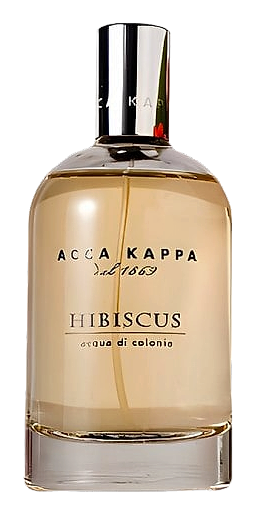
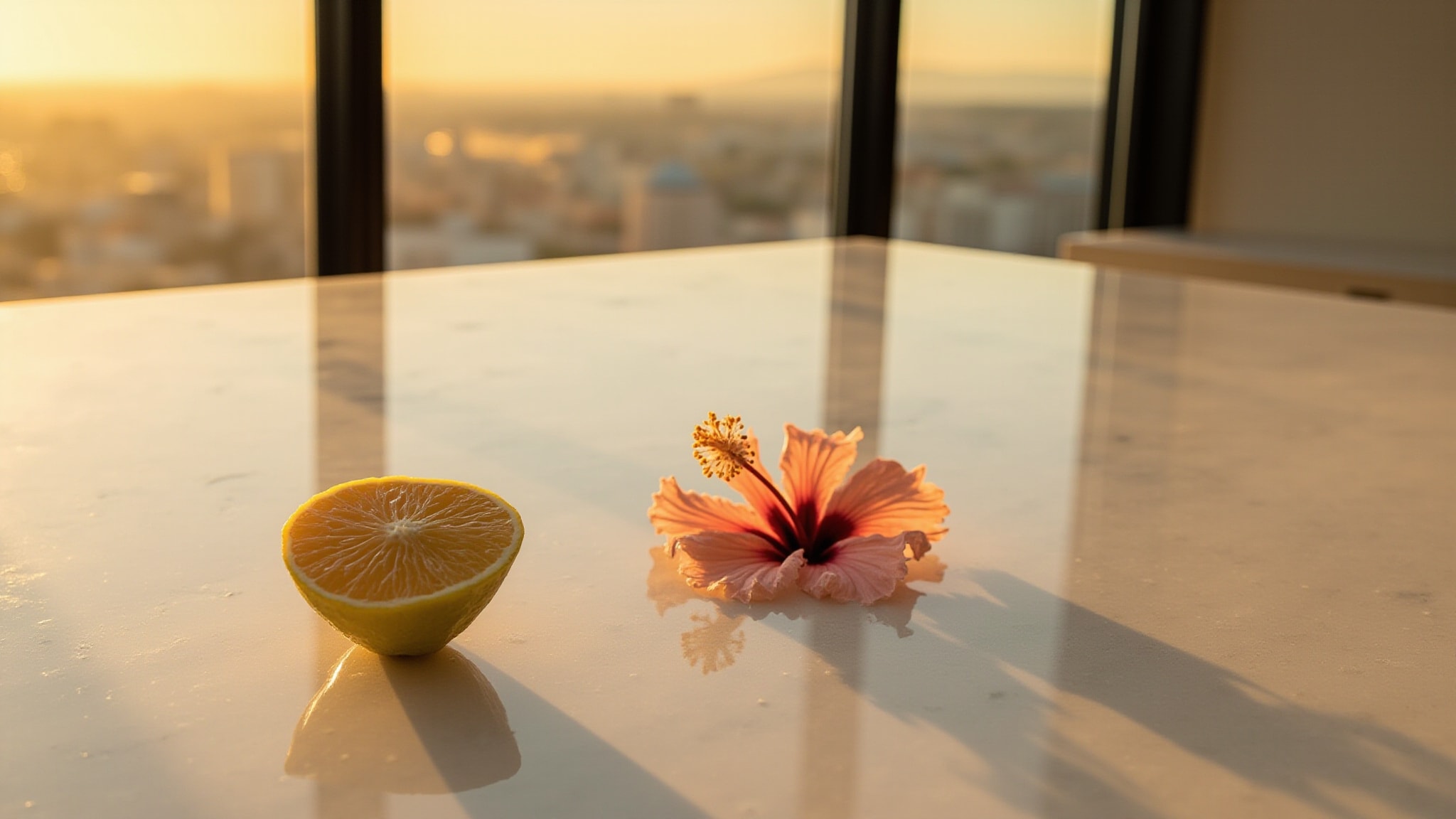
Hibiscus arrived in 2004, introducing a floral vocabulary that emphasizes freshness and clarity over ostentation. The hibiscus bloom carries a fresh-fruity quality that differentiates it from more conventional floral hearts, with a natural tartness that keeps it from reading as soft. This tartness gives the fragrance an unexpected brightness, a characteristic that could have been softened or masked in other formulations. Instead, Acca Kappa paired the bloom's inherent brightness with magnolia's creamy white warmth, allowing the two florals to complement each other in unexpected ways. Bergamot provides a citrusy counterpoint that grounds the composition, adding sparkle without overwhelming the delicate florals beneath.
The choice to feature hibiscus prominently reflects a specific olfactory ambition: to explore what this flower can do when it has room to breathe and develop. Hibiscus carries a natural tartness that becomes the defining character of the fragrance, its bright, almost juicy quality taking center stage in a way that such flowers rarely achieve in mainstream perfumery. In the heart of this composition, that tartness meets magnolia's creamy white petals, creating a floral balance that feels simultaneously fresh and warm.
The evolution
The opening announces itself with bergamot's citrus brightness, sharp and clean at first contact. This initial phase provides a clear, direct introduction before the florals begin to emerge and take over the composition. The heart develops with magnolia and hibiscus dominating, their combination creating the fragrance's main event: a fresh-fruity floral character with a slightly bitter edge that keeps it interesting and prevents it from becoming predictable. The arc moves from citrus-bright to floral-warm to amber-soft, each phase transitioning smoothly into the next without sharp breaks. As the fragrance develops, amber begins to anchor the drydown, adding warmth and depth to the composition. The powdery facet from heliotrope lingers in the base, and the overall effect settles close to the skin, creating a quiet warmth that feels intimate and personal.
Cultural impact
Hibiscus arrived in 2004, belonging to a period when perfumery saw a renewed interest in clean, refined compositions. It fits comfortably alongside other light florals and citrus-forward fragrances from that era, offering wearability and everyday pleasure without demanding attention. The house's approach to composition finds clear expression in this kind of fragrance, which maintains presence while remaining unobtrusive. Hibiscus was discontinued at some point after its debut, joining other well-crafted fragrances that appealed to a specific sensibility rather than mass appeal.