The Story
Why it exists.
The beginning
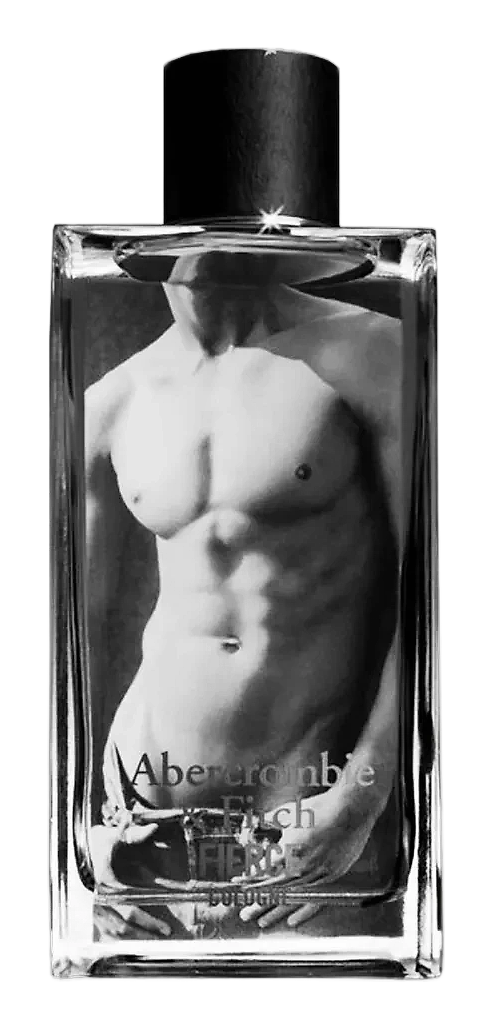
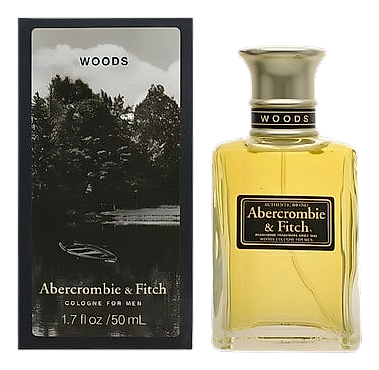
Woods arrived in 1997, five years before Fierce would redefine what an Abercrombie fragrance could mean to a generation. The name itself is deliberate, a reference to the American outdoors that first made everything else at Abercrombie & Fitch possible. But the scent is rooted in something older: the clean, aromatic masculinity of the traditional barbershop fougère, updated just enough to feel contemporary without losing the template entirely.
The lavender-heart is what separates this from a dozen citrus waters. It's not the lavender of a candle or a sachet, it's the herbal, slightly camphorated lavender of good soap, of shave cream, of the hour after a haircut when everything feels possible. Vetiver brings the earth. Musk brings the skin. Together they build something that doesn't ask for attention because it doesn't need it. This restraint, this refusal to chase every new trend, is what makes it endure.
The evolution
The citrus opens sharp and clean, lasting maybe twenty minutes before the lavender takes over and softens everything into that barbershop warmth. The drydown shifts to vetiver and musk, intimate, close, the kind of scent that someone standing beside you notices before you do. On some skin, it fades faster. On most, it holds a full workday. The projection stays moderate, never screaming, always confident.
Cultural impact
Woods arrived before the era of the blockbuster fragrance. It's not trying to fill a room or start a conversation, it's trying to smell like a clean, confident man who doesn't need validation. In that sense, it's almost a relic. And that might be exactly why it still works. This is the cologne of a man who decided he wasn't going to prove anything to anyone.