The Story
Why it exists.
The beginning
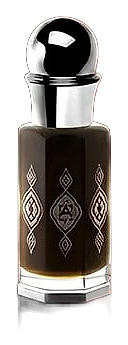
Sandalwood Flowers comes from Abdul Samad Al Qurashi, a house whose catalogue centers on oud, musk, and amber, but this composition takes a different path, one where sandalwood isn't a base note but the entire architecture. The flower in the name refers to sandalwood blossom, the delicate white clusters that appear on the tree before the heartwood matures. It's a rare ingredient in perfumery, often overshadowed by the wood itself, and its inclusion here signals an intent to celebrate the whole tree, not just what comes after it's cut. Rose enters as the second voice, a single counterpoint to the sandalwood's tonal range. The pairing keeps things spare.
What makes this structure distinctive is its minimalism. Two notes anchor the composition: sandalwood in both its floral and woody expressions, and rose as the single floral counterpoint. The main accords read woody, rose, powdery, warm spicy, floral, and balsamic, a combination that could easily slide into heaviness. The powdery and warm-spicy accords keep it lifted, preventing the sandalwood from going dense or the rose from tipping into sweetness. It's a tightrope walked with restraint.
The evolution
The first minutes belong to the sandalwood blossom, lighter and greener than the wood most people expect. There's a faint creaminess, almost like raw coconut flesh, with a coolness that suggests the flower before it's been dried or distilled. It reads delicate, closer to a sheer floral veil than to the deep, honeyed sandalwood that dominates most compositions in this style. As the opening softens, the rose arrives and shifts the composition into its central register. The rose carries a slight spiciness and a softly leathery edge that feels at home against the wood. The sandalwood underneath has warmed by then, deeper than at first application, with a creamy smoothness that fills the space around the rose without smothering it.
Cultural impact
Sandalwood Flowers occupies a quiet corner of the brand's catalogue. The composition pares back to just two materials and lets them speak, an unusual approach for a house known for more layered and resinous work. It offers a specific kind of wearing experience: sandalwood without the incense smoke, rose without the syrup or jam, warmth without the heaviness that dense base accords tend to bring. The fragrance suits collectors who already own the bolder pieces and want something for warmer days or office hours, where a lighter projection feels more appropriate.