Sandalwood Blossom
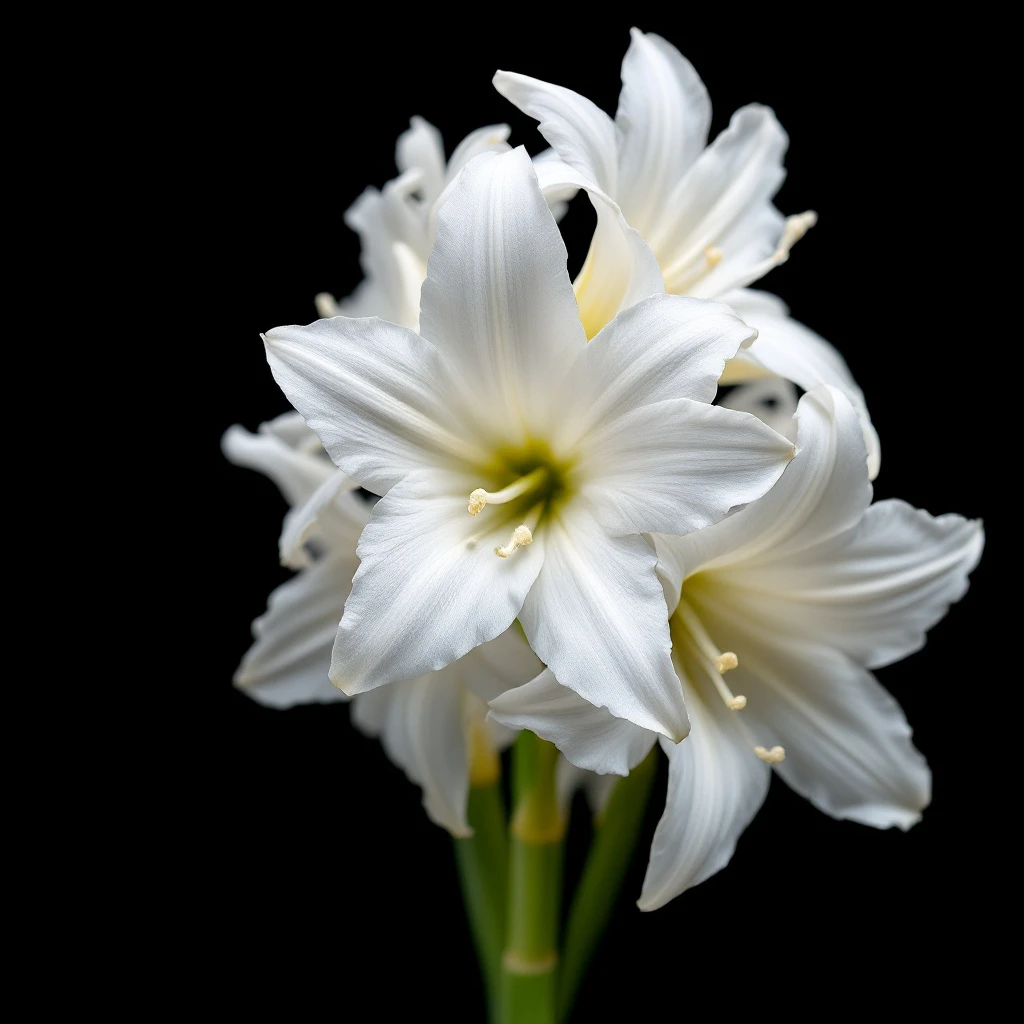
Sandalwood blossom offers a delicate, creamy floral aroma that softens the iconic woody depth of its heartwood, adding a luminous, slightly sweet nuance to fine compositions.
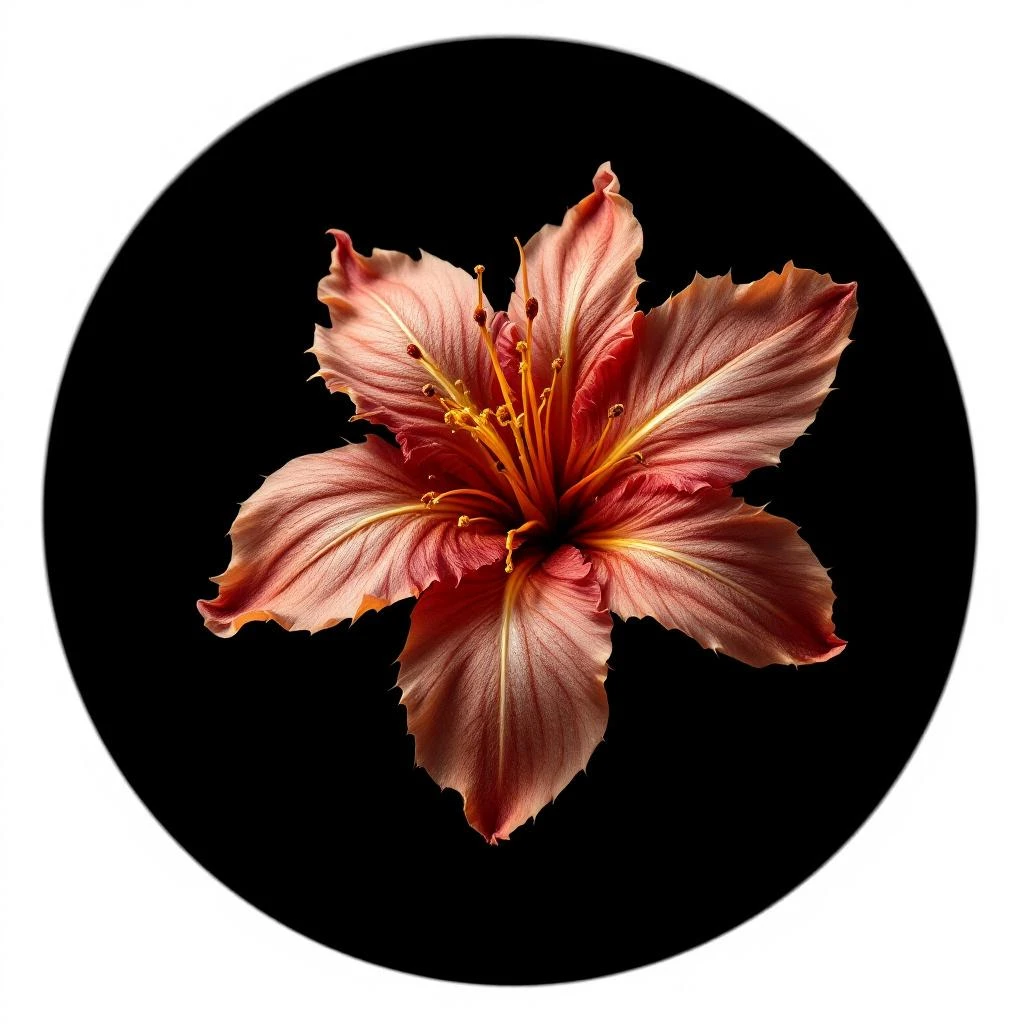
Character
How it smells
Floral whisper that brightens sandalwood’s classic wood.
Sandalwood blossoms bloom for just a few weeks each year, yet their absolute supplies enough fragrance to scent a single luxury perfume batch, making them rarer than the heartwood oil.



Origin
India
The use of sandalwood blossoms traces back to ancient Indian Ayurvedic texts, where the fresh flowers were burned as incense to calm the mind and to treat skin ailments. By the 2nd-century CE, traders carried the blossoms along the Silk Road to the courts of Persia, where they mixed with rose and jasmine in royal scent palettes.
In medieval Egypt, the blossoms appeared in scented oils used for embalming, complementing the more common heart-wood oil. The 19th-century saw the first scientific descriptions of the flower’s essential oil, recorded by French botanist Pierre-Joseph Redouté, who noted its high linalool content.
When synthetic aroma chemicals entered perfumery, the delicate blossom was prized for its natural complexity, leading to a resurgence in niche fragrances during the 1990s. Today, sustainable plantations in Karnataka and Kerala grow sandalwood trees specifically for blossom harvest, ensuring that the floral note continues to enrich modern compositions while honoring its millennia-old spiritual and medicinal heritage.
Wears it best
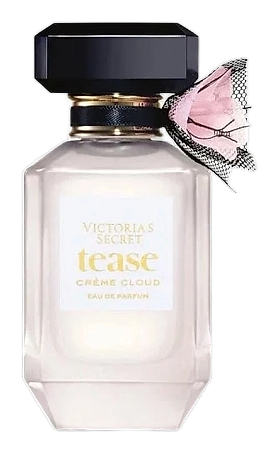
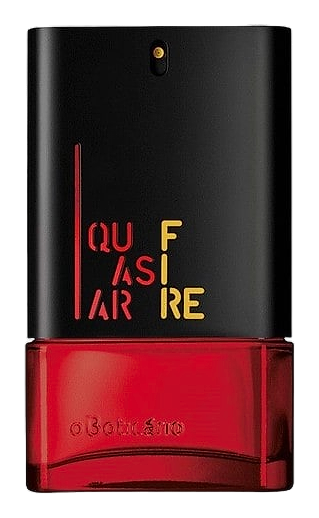
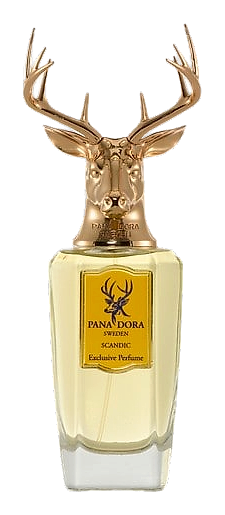
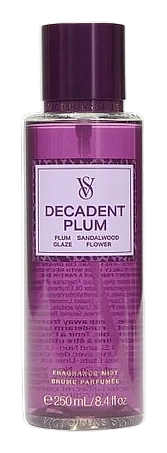
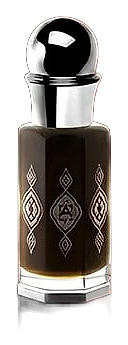
Fragrances featuring Sandalwood Blossom
Brands
Brands known for Sandalwood Blossom
Good to know
Questions, answered
The essentials on Sandalwood Blossom in perfumery: how it smells, where it comes from, and how it behaves on skin.
What scent profile does sandalwood blossom add to a perfume?
It adds a soft, creamy floral note that lightens the woody base. The absolute contains up to 15% linalool, giving a gentle citrus-floral lift, and also traces of geraniol that enhance the bouquet. Perfumers often pair it with vanilla or amber to create a balanced, luminous accord.
How rare is sandalwood blossom compared to heartwood oil?
Sandalwood blossom is considerably rarer than heartwood oil because each tree yields only a few grams of absolute per season. A mature Santalum album tree produces roughly 30-40 blossoms, each providing about 0.2 g of absolute, while heartwood can yield 300 ml of oil.
Which extraction method preserves the floral nuance best?
Solvent extraction preserves the delicate floral nuance of sandalwood blossom best. The process uses hexane at low temperature, capturing 85% of the flower’s volatile compounds, including linalool and geraniol. Perfumers favor the resulting absolute for its stability and true-to-nature scent profile.
Where are sandalwood blossoms primarily harvested?
Sandalwood blossoms are primarily harvested in the tropical forests of southern India during the pre-monsoon months. In 2022, the Karnataka region reported a harvest of 1,200 kg of fresh blossoms, the largest single-year yield recorded. Harvesters collect the flowers early in the morning to preserve their volatile oils.
Are there sustainability concerns with sandalwood blossom sourcing?
Sustainable sourcing of sandalwood blossom remains a challenge due to limited flowering cycles and high demand. The International Union for Conservation of Nature lists Santalum album as vulnerable, prompting certified plantations to adopt rotational harvesting that limits collection to 20% of annual blossom output.
How long does the blossom’s fragrance last in an absolute?
The fragrance of sandalwood blossom retains its character for up to 12 months when stored in amber glass away from light. Stability tests in 2021 showed a 7% loss of linalool after one year, confirming its long-term viability. Perfume creators therefore keep the absolute sealed until formulation to preserve its purity.
Can sandalwood blossom be used synthetically?
Synthetic analogues of sandalwood blossom exist, but they cannot fully replicate the natural bouquet. Laboratory blends using ethyl phenylacetate achieve only 60% of the aroma similarity score measured by gas chromatography-olfactometry. Consequently, many niche houses still prefer the authentic absolute for its depth and authenticity.
What skin sensitivities are associated with sandalwood blossom?
Sandalwood blossom is generally well tolerated, though a small percentage of users may experience mild skin irritation. Patch-test data from 2020 recorded a 2.3% incidence of erythema among participants exposed to 0.5% blossom absolute. Dermatologists advise a preliminary skin test before applying the ingredient in high concentrations.




