The Story
Why it exists.
The beginning
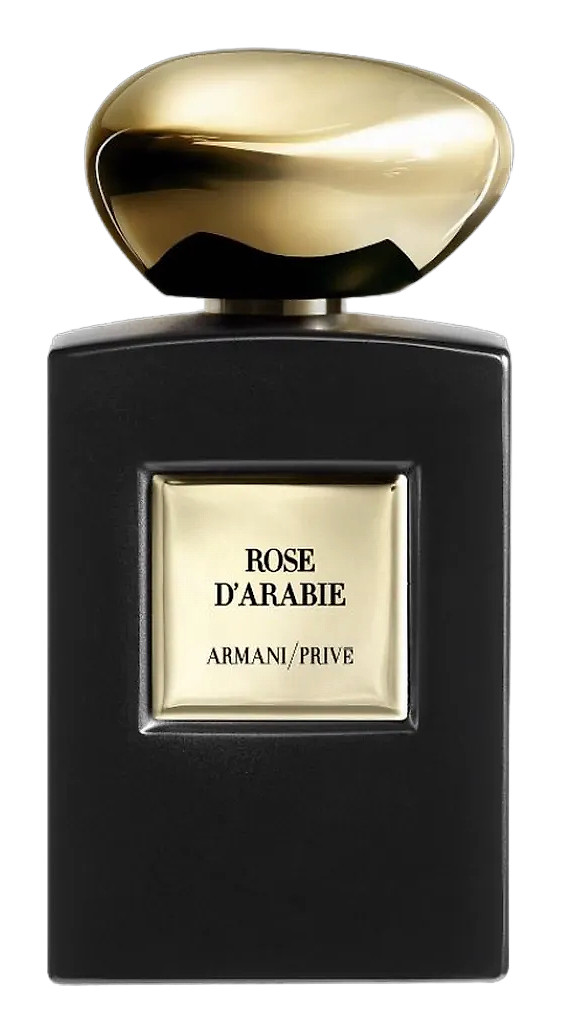
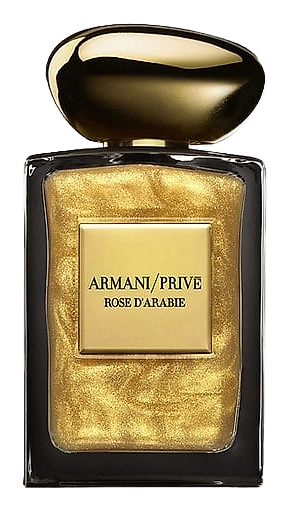
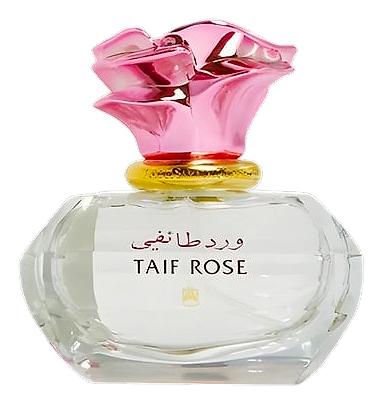
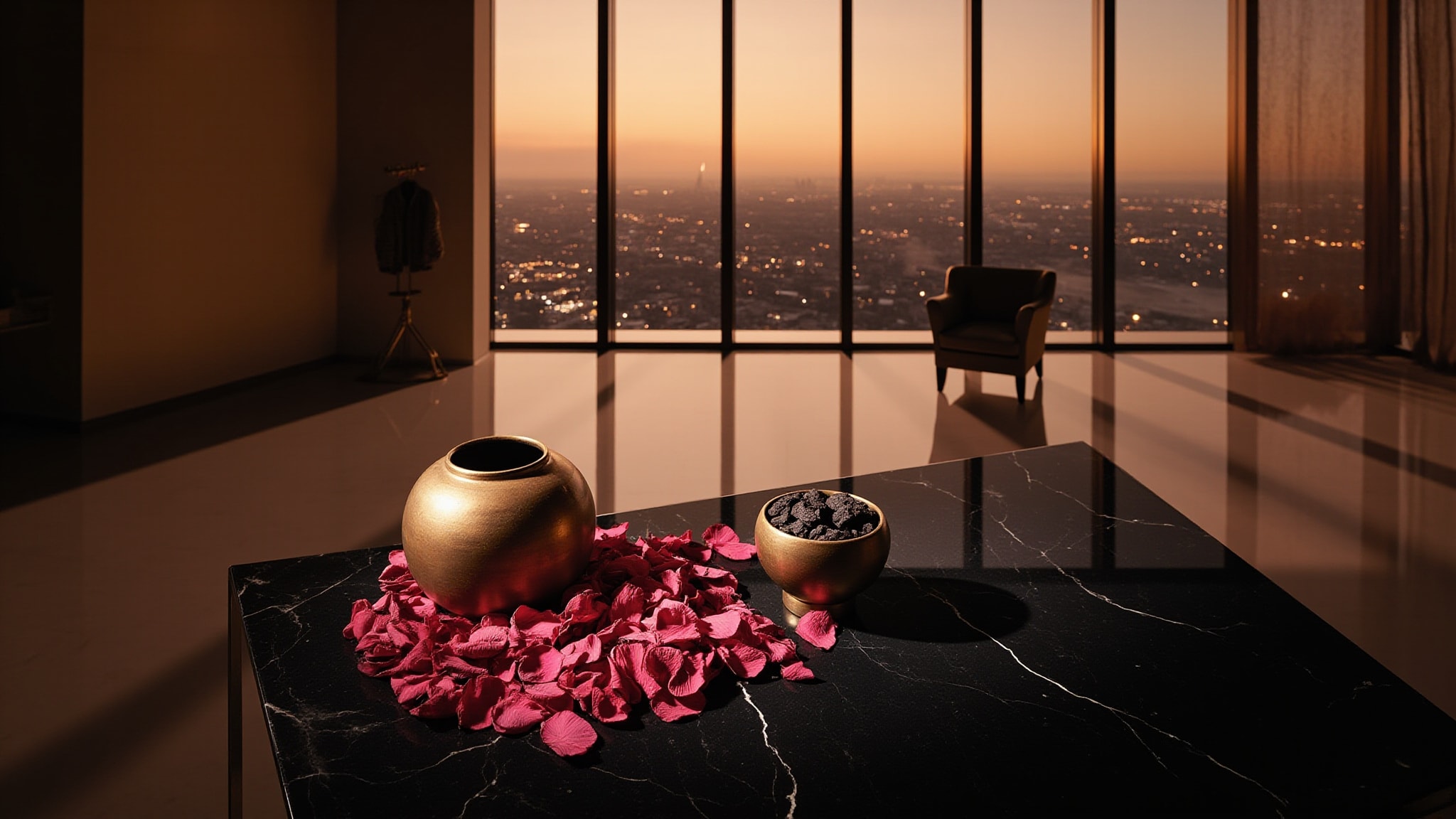
Roses bloom in the Arabian Peninsula and carry a weight that lighter, more familiar roses never approach. Abdul Samad Al Qurashi built this composition around that flower, the Taif rose, treated by the house as a serious material deserving of serious attention. The brand draws an enormous quantity of blossoms into a single oil, a process rooted in centuries of Arabian perfumery where the rose is treated with the reverence it commands. Here it meets agarwood, the other great material of the Arabian tradition, and the two anchor each other in a dense, resinous embrace. This is rose as the Hejaz knows it, not the Parisian way. Heavier. Warmer. Closer to the earth it grew from. The result is a fragrance that announces nothing and withholds nothing, confident in the materials it wears.
What separates this from a standard rose composition is the refusal to soften the oud. The agarwood stands as a co-equal partner to the rose, neither ingredient willing to play the supporting role that Western perfumery often assigns to base notes. The Taif rose itself is unusual in perfumery, prized for its honeyed character and its depth, a rose that refuses to behave like a delicate thing. It carries weight in a way that demands something equally substantial to stand beside it.
The evolution
The opening belongs almost entirely to the rose. It announces itself dense and almost jammy, the kind of rose that feels pressed rather than fresh, warm with the suggestion of honey rather than the brightness of morning dew. There is no citrus here to lighten the mood. Just petals, heavy and unapologetic, filling the air with their thick sweetness. As the composition settles, the wood begins to assert itself. The oud arrives not as smoke but as something drier, more mineral, almost like the scent of aged wooden furniture in a cool room, the kind of patina that takes decades to develop. The rose does not disappear during this shift. It transforms, becoming more transparent, more of a suggestion than a statement, allowing the wood to step into the space without complaint.
Cultural impact
Taif Rose sits at the heart of Arabian perfumery, a tradition that has long held both rose and agarwood in high regard as materials of consequence. The fragrance appeals to those who want their perfume to sit close and stay quiet rather than announce itself, those who understand that the most interesting compositions are the ones you have to lean in to appreciate. It wears well on anyone who treats rose as a serious material rather than a romantic gesture, anyone who wants a fragrance that reveals itself slowly rather than all at once.