The Story
Why it exists.
The beginning
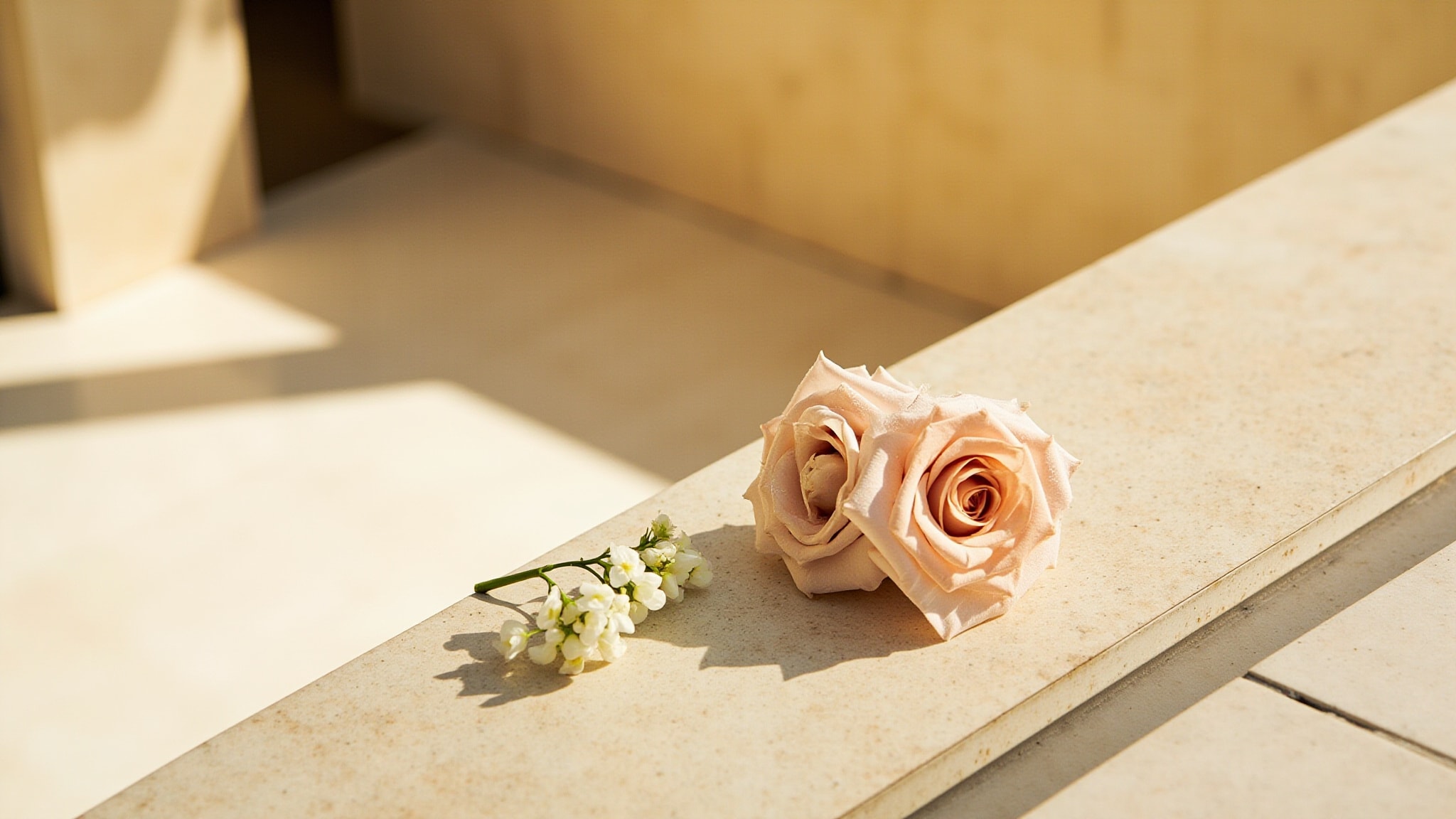
Fol Roses takes its name from the fil rose, a bloom long associated with Arabian perfumery and recognized in regional floral blending traditions. The name itself points to a rose, not a jasmine, and the fragrance leans into that rose identity with unusual focus for a house of this stature. Abdul Samad Al Qurashi built the composition with a stripped-back intent, and the result is a summer garden captured in its most distilled form, the kind of scent that recalls outdoor courtyards and stone walls warmed by the midday sun. It's a quieter statement from a house better known for oud and musk, and it sits at the floral end of their catalog for a reason.
Fol Roses resists the instinct to anchor its florals with heavy bases. By keeping the structure to rose and jasmine alone, the composition reads as a study in what two flowers can do when they're given room to breathe, no base notes competing for attention, no sweetness pulling the scent toward gourmand territory. The jasmine weaves through the rose in a way that adds a green, almost indolic lift without ever tipping into territory that feels heavy or cloying.
The evolution
The first few minutes lean green and dewy, jasmine's indolic edge coming through before the rose rounds it out. Around the 30-minute mark the two flowers settle into each other, rose taking the foreground with jasmine flickering underneath like a current. There's a faint warmth that arrives by hour two, not from any added amber or musk but from the flowers themselves deepening as the volatile top notes burn off. By hour four it sits close to the skin, a soft floral presence that still reads clearly if someone leans in. The drydown through hour six is rose-dominant, quieter, the kind of scent you catch on your own wrist rather than something others smell across a room. On fabric the next morning, a faint sweetness remains, a trace of the garden after the day has moved on.
Cultural impact
Fol Roses sits at the quieter end of the Al Qurashi catalog, a floral composition that lets rose and jasmine speak without the scaffolding of heavier base materials. It's a study in restraint, and it rewards close attention rather than bold projection. On skin, the fragrance behaves like a soft-focus portrait of a garden in bloom, with the rose carrying the first impression and the jasmine emerging gradually as the day warms up. The two flowers negotiate throughout the wear, each taking a turn at the surface, and the result is a composition that feels alive rather than static.