The Story
Why it exists.
The beginning
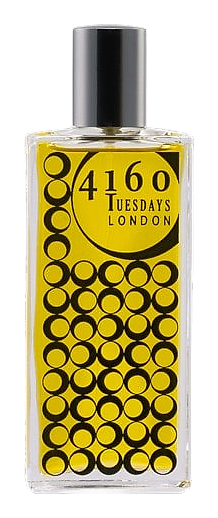
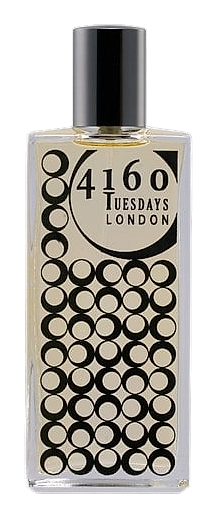
In 2016, the University of London School of Advanced Studies was throwing an immersive Gatsby party and needed the room to smell right. Sarah McCartney, founder of 4160 Tuesdays, took the commission and ran with it. She sourced ingredients that were popular in 1923, the height of the jazz era, and studied contemporary recipes for reference. The result was An Excess of Carelessness, a small edition made for Daisy, for the kind of party where excess was the point and carelessness was the dress code.
What makes this composition unusual isn't a single exotic material. It's the historical fidelity. McCartney reached back to 1923 and rebuilt a floral around materials that were in a perfumer's organ that year: heliotrope, neroli, orris, ylang-ylang, civet, labdanum. These are not novelty ingredients. They are the backbone of every great vintage floral from the early twentieth century. The perfume reads less like a modern composition than a recovered artifact.
The evolution
The opening hits with neroli and bergamot, bright and a little defiant, like sunlight through gin. The heliotrope arrives shortly after, powdery and almond-sweet, pulling the composition into something softer and more intimate. Iris and orris settle into the middle, giving the floral a cool, almost metallic lift that keeps the sweetness from going cloying. The heliotrope and iris share a kinship that vintage perfumers exploited constantly: that powdery, suede-like quality that makes a floral feel like it's been poured through silk. As the hours pass, the base takes over: benzoin and labdanum bring the warmth, opoponax adds a smoky undertone, and civet murmurs underneath everything. That civet is the tell. It's what stops this from reading as a clean vintage reproduction and gives it skin, gives it heat, gives it the sense that someone is actually wearing it.
Cultural impact
The fragrance draws from early twentieth-century perfumery with a directness that few indie releases attempt, treating that era's floral structures as a living vocabulary rather than a museum exhibit. It's the kind of scent that finds its way onto people who already own a wardrobe of niche florals and want something with a historical fingerprint. The composition speaks to a particular collector who values materials over trends, who wants neroli that actually smells like neroli, orris that carries its full powdery weight, civet that does its animalic work without apology.