Yellow Hibiscus Seed
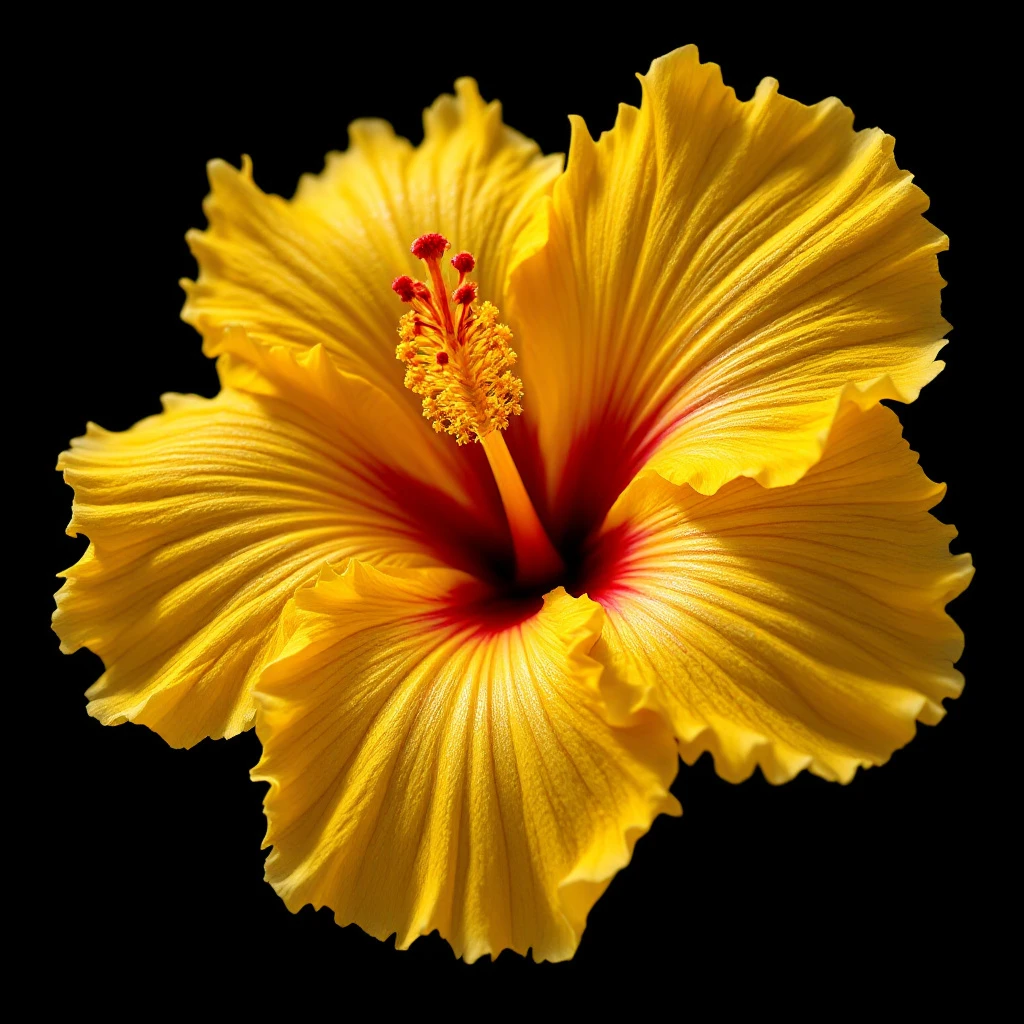
Yellow hibiscus seed gives perfume a soft, musky depth with pear-like fruitiness, making it a prized botanical material for compositions that need warmth without heaviness.
Character
How it smells
A pear-fruited vegetable musk with a velvety trail.
The perfumery material comes from Abelmoschus moschatus, a hibiscus relative whose seeds were historically valued as a natural source of musk.
Pairs beautifully with
Origin
India
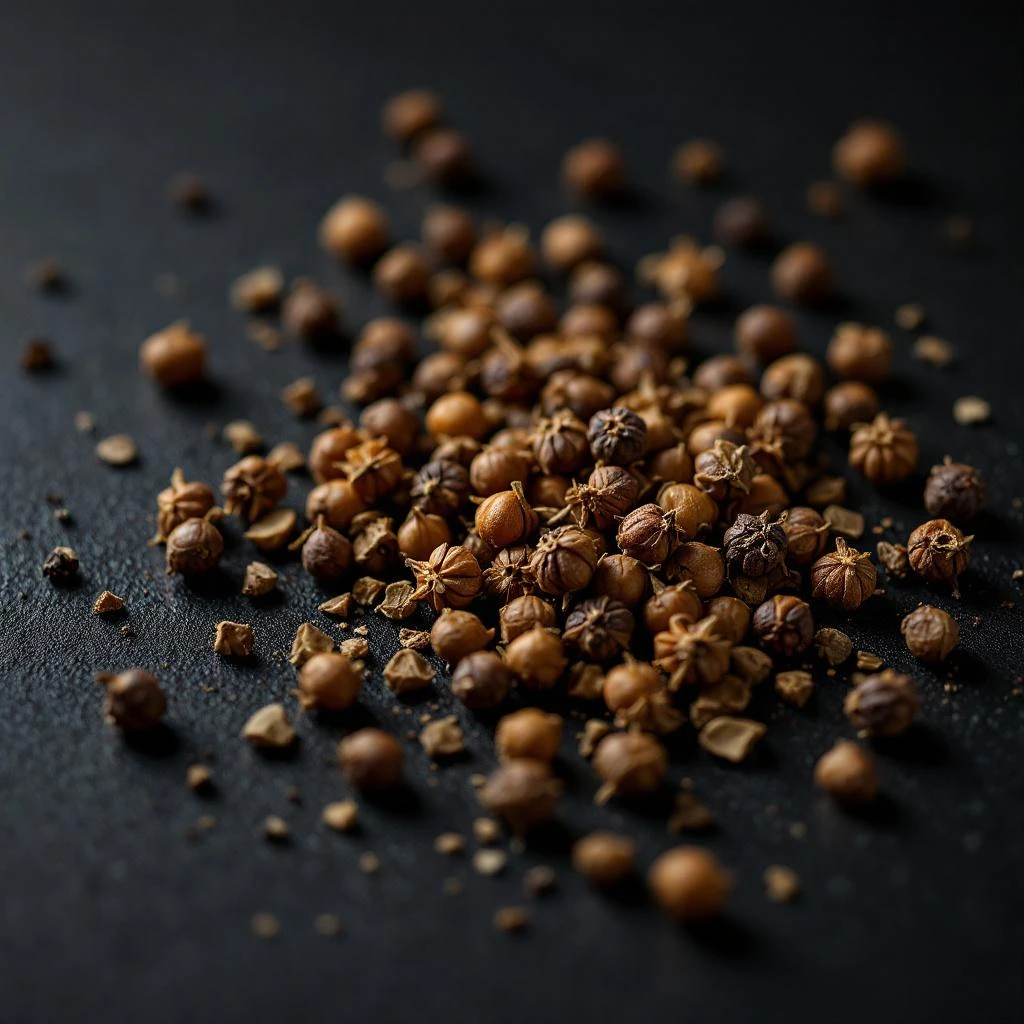
Ambrette seed has a long history as one of the earliest vegetable musks used in European perfumery. The plant Abelmoschus moschatus, sometimes called musk mallow or yellow hibiscus, is native to tropical Asia and is now cultivated in several warm regions. Before synthetic musks became widely available, its seed oil offered perfumers a natural source of a rounded, musky scent.
The oil reached European fragrance workshops through botanical trade and became especially useful for softening sharper aromatic materials. Its pear-like fruitiness also distinguished it from the cleaner, more mineral character associated with modern synthetic musks. Although commercial hibiscus extracts often come from the red-flowered Hibiscus sabdariffa and are used mainly in food or beverage preparation, ambrette seed remains the historically important perfumery material.
Its scarcity and distinctive profile sustain its place in fine fragrance, where it contributes quiet sensuality rather than overt floral brightness.
Wears it best
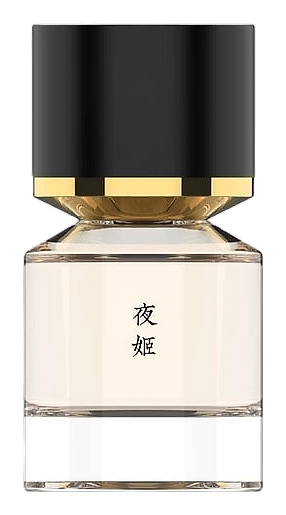
Fragrances featuring Yellow Hibiscus Seed
Brands
Brands known for Yellow Hibiscus Seed
Good to know
Questions, answered
The essentials on Yellow Hibiscus Seed in perfumery: how it smells, where it comes from, and how it behaves on skin.
What does yellow hibiscus seed smell like in perfume?
Yellow hibiscus seed smells soft and musky, with pear-like fruitiness and a warm, creamy finish. It acts more like a smooth texture than a bright floral note, adding depth to fruit, floral, and woody compositions.
Is yellow hibiscus the same ingredient as ambrette seed?
In perfumery, yellow hibiscus seed is generally associated with ambrette seed, made from Abelmoschus moschatus. This differs from the common edible hibiscus, Hibiscus sabdariffa, whose calyces are chiefly used in food and drinks.
How is ambrette seed oil extracted for perfumery?
Perfumers extract ambrette seed oil mainly through steam distillation of dried mature seeds. The process produces an aromatic oil valued for its rounded musk, pear-like fruit notes, and soft ambrous character.
Why was yellow hibiscus seed important before synthetic musks?
Before modern synthetic musks, ambrette seed provided perfumers with a scarce natural source of rounded musky warmth. Its unusual combination of musk and pear-like fruit also gave floral and woody formulas a distinctive smooth texture.
Does yellow hibiscus seed smell like the edible hibiscus flower?
No. The perfumery oil comes from the seeds of Abelmoschus moschatus and presents a musky, fruity profile rather than the tart red-fruit character often associated with edible hibiscus.
Where does yellow hibiscus seed originate?
The source plant is native to tropical Asia, with India serving as a primary commercial center for seed cultivation and processing. It is also grown in other warm tropical and subtropical regions.
Is yellow hibiscus seed oil suitable for natural perfume?
Yes. Because it is obtained by steam distillation from plant material, ambrette seed oil can qualify as a natural fragrance ingredient, subject to the complete formula and each supplier's documentation.
What perfume notes pair well with yellow hibiscus seed?
Yellow hibiscus seed pairs naturally with pear, plum, jasmine, sandalwood, and soft woods. These materials emphasize either its pear-like fruitiness or its creamy musky base, depending on the intended effect.