Wolfwood
Wolfwood is a rich, resinous aromatic material prized in perfumery for its deep, smoky character. This complex woody ingredient brings intense earthy warmth to fragrance compositions, evoking ancient forests and smoldering embers.
Character
How it smells
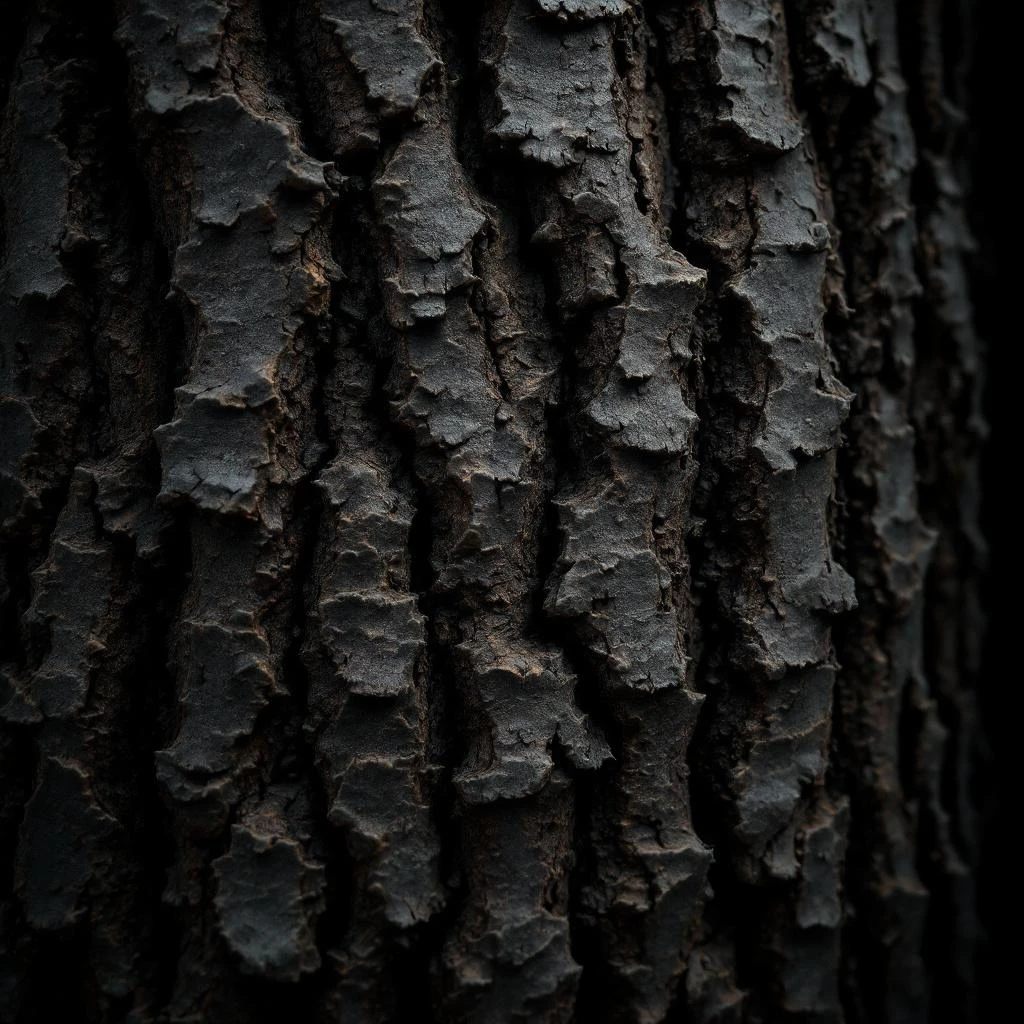
Smoky, resinous woods with ancient depth
Wolfwood bark releases its signature scent most powerfully when slowly charred, a technique rooted in traditional fire rituals.







Origin
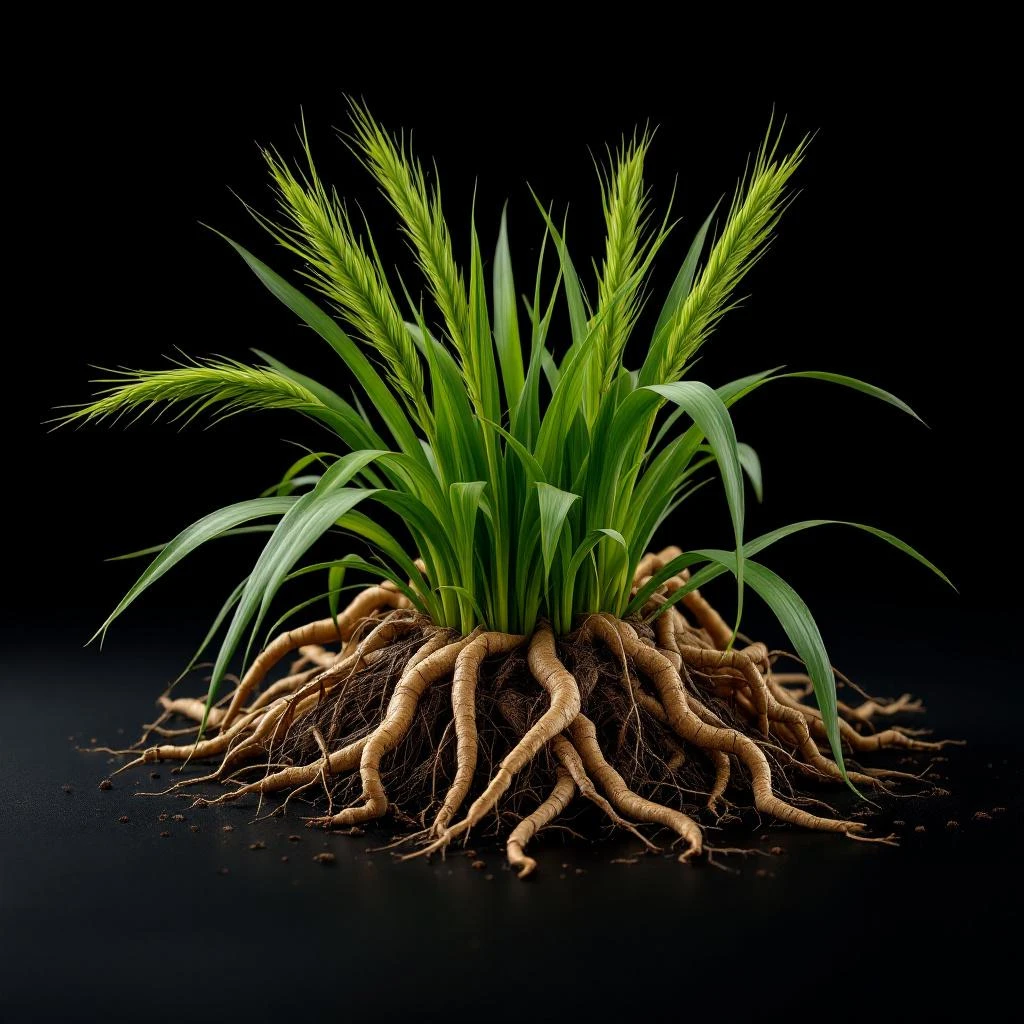
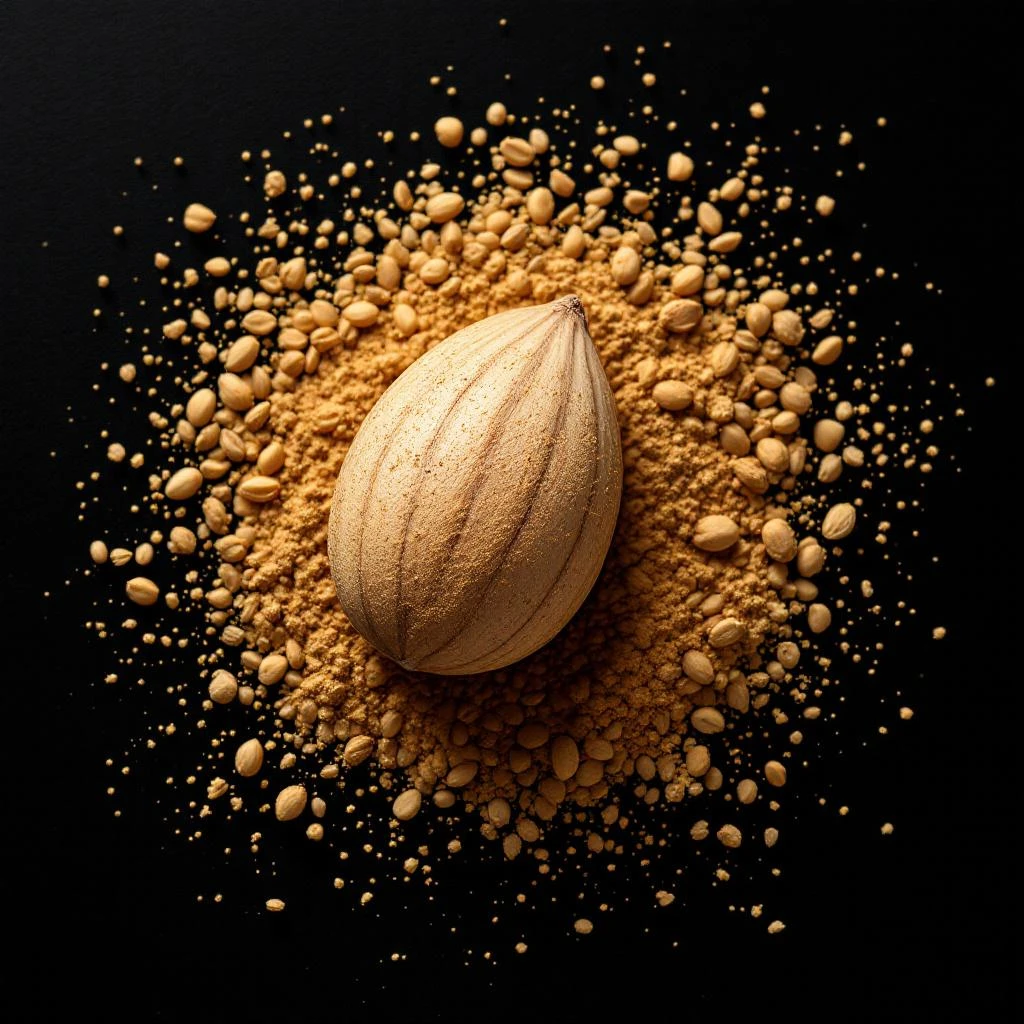
Multiple origins
Aromatic woods have anchored perfumery since its earliest origins. Ancient Egyptians heated cedarwood in clay vessels, capturing its essence for sacred ceremonies and daily life. Mesopotamians and Indus Valley civilizations similarly prized aromatic timbers, incorporating them into rituals spanning thousands of years.
The Islamic Golden Age expanded the Western perfumery palette considerably—Persian and Arab traders introduced new aromatic wood species while perfecting steam distillation techniques still used today. Medieval European monks preserved these traditions in monastery gardens, cultivating fragrant timbers alongside medicinal herbs. When Grasse emerged as perfumery's center in the 18th century, woody notes became foundational to the art, lending structure and permanence to fleeting floral compositions.
Wolfwood represents this enduring tradition of aromatic timber—an ingredient connecting contemporary perfumers to the very origins of scent-making.
Wears it best
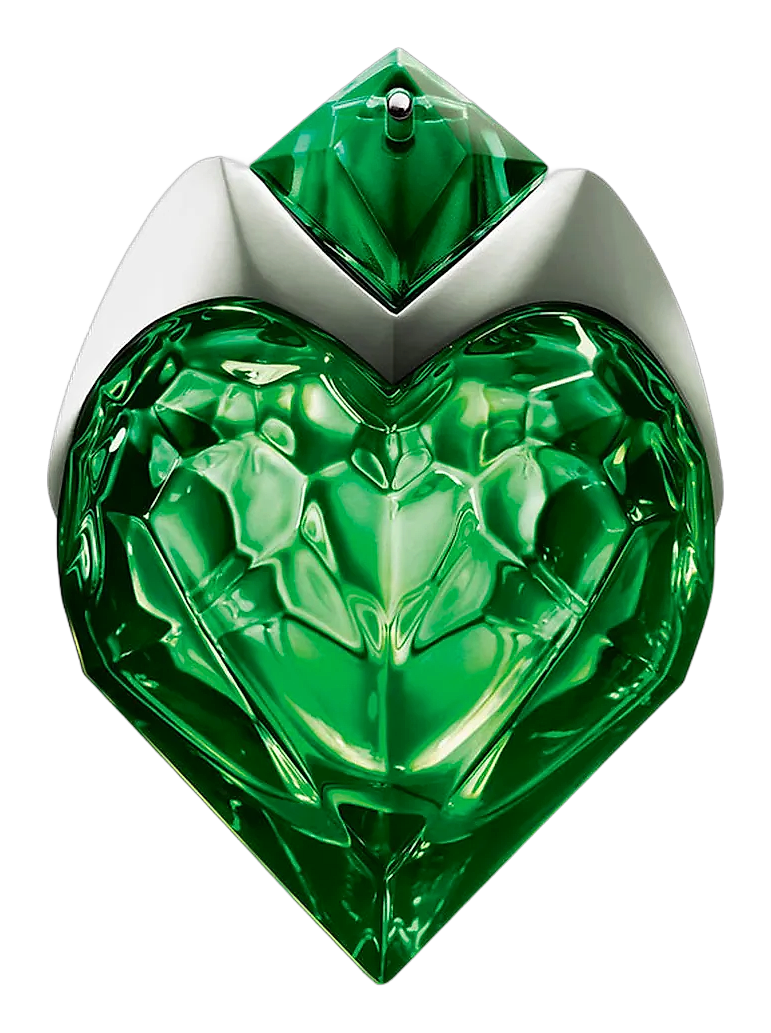
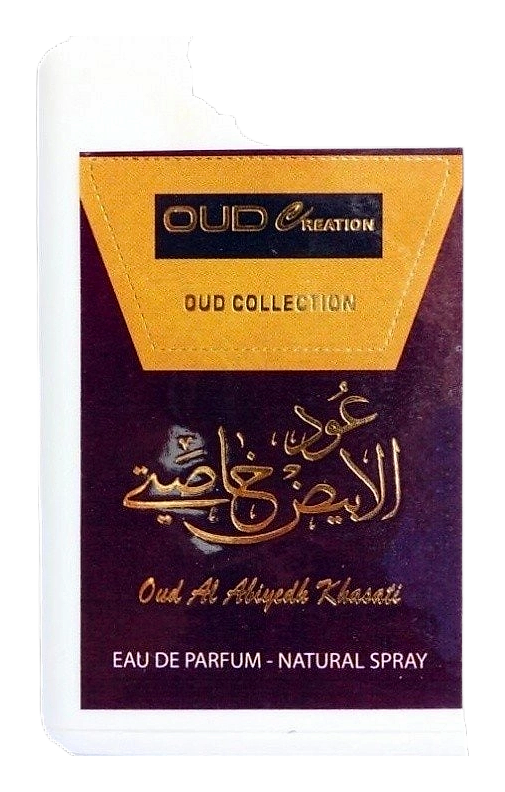
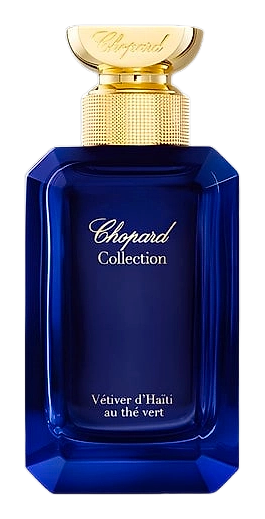
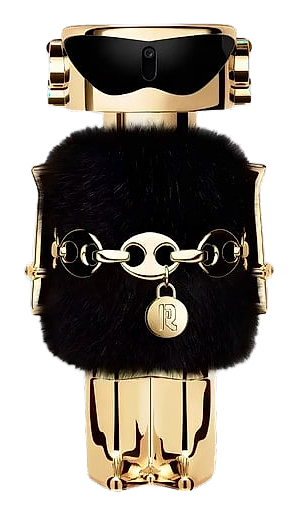
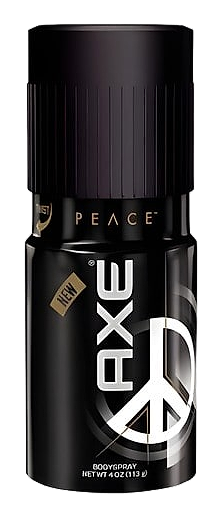
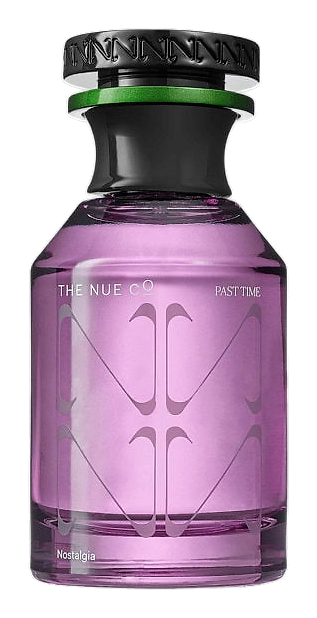
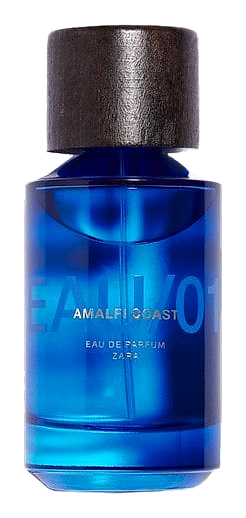
Fragrances featuring Wolfwood

Brands
Brands known for Wolfwood
Good to know
Questions, answered
The essentials on Wolfwood in perfumery: how it smells, where it comes from, and how it behaves on skin.
What does wolfwood smell like?
Wolfwood typically presents as a deep, smoky, resinous scent with earthy undertones. Its profile combines warmth with slight bitterness, creating an aromatic character that grounds lighter top notes and adds structural complexity.
Is wolfwood a natural or synthetic ingredient?
Wolfwood is a natural aromatic material harvested from select resinous tree species. Perfumers source it globally, though specific species and origins vary by supplier and formulation needs.
Which fragrance families use wolfwood?
Wolfwood appears primarily in oriental, woody, and chypre compositions. It works especially well in perfumes targeting autumn and winter seasons, where its warm, smoky character complements amber, leather, and spice accords.
How long has wolfwood been used in perfumery?
Aromatic woods have anchored fragrance-making for millennia, with documented use stretching to ancient Egyptian and Mesopotamian civilizations around 4500 BCE. Wolfwood represents this ancient tradition of woody perfumery.
Does wolfwood work with floral notes?
Yes, wolfwood provides an effective counterpoint to florals. Its earthy, grounding quality can balance lighter florals like jasmine or rose while adding depth and increasing fragrance longevity on skin.
How is wolfwood different from other woody notes like sandalwood?
Unlike sandalwood's creamy warmth, wolfwood carries more pronounced smoky, resinous qualities. Where sandalwood柔软, wolfwood delivers bold, earthy character that reads more intensely in compositions.
Can wolfwood cause skin sensitivity?
As with many concentrated aromatic materials, wolfwood extracts may trigger sensitivity in individuals with specific skin allergies. Manufacturers provide usage guidelines, and IFRA standards regulate concentration levels in consumer products.
What extraction technique best preserves wolfwood's character?
Steam distillation best captures wolfwood's raw, smoky essence, though solvent extraction can yield a more concentrated absolute with slightly different nuance profiles suited to specific formulation goals.