Wintermelon
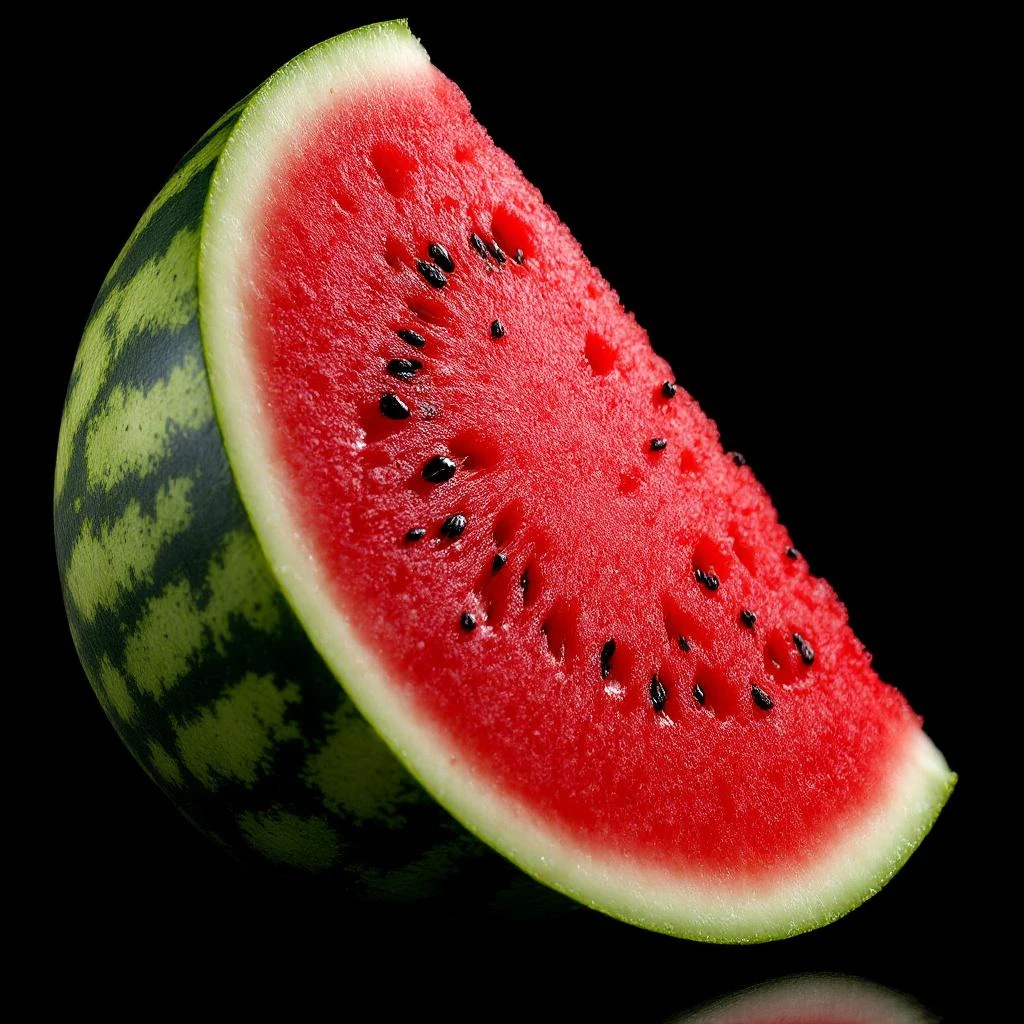
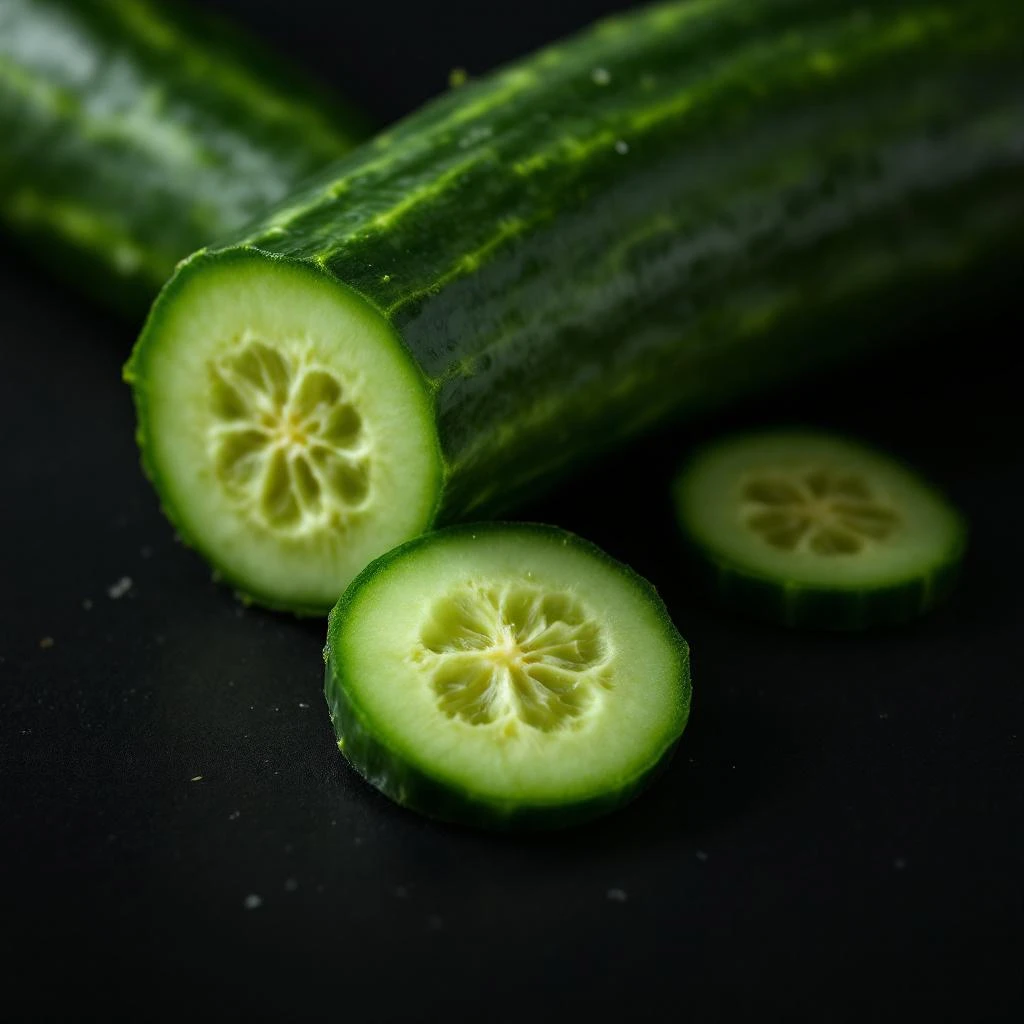
Wintermelon delivers a cool, watery freshness to perfumery. Its subtle sweetness recalls cucumber flesh and delicate cantaloupe, creating an immediately refreshing quality. Modern perfumers prize this note for adding clean, hydrating character to summer and aquatic fragrances.
Character
How it smells
Cool cucumber freshness meets delicate fruit sweetness in a subtle, watery embrace.
Wintermelon earns its name by storing for months due to its thick, waxy rind, making it one of the few melons available well into cold seasons.
Pairs beautifully with



Origin
India
Wintermelon (Benincasa hispida) traces its cultivation roots to South and Southeast Asia, with India and China as primary centers of origin. The thickly skinned fruit spread along ancient trade routes, reaching Egypt by approximately 500 B.C. Ancient texts from India reference wintermelon in both culinary and medicinal contexts, recognizing its cooling properties in warm climates.
The fruit's remarkable storage capacity made it valuable in pre-refrigeration societies. Its thick, waxy outer layer prevented moisture loss and spoilage, allowing preservation for several months in cool, dark spaces. This characteristic directly inspired the "winter" designation, as the melon remained edible long after other seasonal fruits had spoiled.
In traditional Chinese medicine, wintermelon occupied a prominent position as a cooling food believed to balance internal heat. Chinese perfumers of later periods experimented with aromatic applications, though wintermelon never achieved the status of traditional fragrance materials like sandalwood or jasmine. The fruit's journey into modern perfumery came through 20th-century flavor and fragrance chemistry, which isolated the specific compounds responsible for its fresh, watery character.
Wears it best
Fragrances featuring Wintermelon

Brands
Brands known for Wintermelon
Good to know
Questions, answered
The essentials on Wintermelon in perfumery: how it smells, where it comes from, and how it behaves on skin.
What does Wintermelon smell like in perfume?
Wintermelon smells like cool cucumber flesh with delicate cantaloupe undertones. It conveys a clean, watery freshness with subtle sweetness. The overall impression is crisp and refreshing, evoking the scent of a just-cut melon on a summer morning.
Why is Wintermelon used in perfumery?
Wintermelon adds an immediate freshness and hydration effect to fragrances. Perfumers use it to create clean, modern compositions, particularly in summer and aquatic fragrances. It contributes a cooling sensation that makes scents feel lighter and more refreshing on skin.
Is Wintermelon in perfume natural or synthetic?
Most wintermelon fragrance materials are synthetic, created through aroma chemistry. Natural extraction is challenging due to the fruit's 95% water content. Key compounds like Melonal (2,6-nonadienal) are laboratory-synthesized to replicate the fresh melon character consistently.
What famous perfumes contain Wintermelon?
Wintermelon appears in modern fresh and aquatic fragrances across multiple brands. It serves as a supporting fresh note rather than a signature ingredient. Check specific perfume ingredients lists for melon, cucumber, or aquatic melon accords in fragrance families like freshies and summer scents.
Is Wintermelon a top note, heart note, or base note?
Wintermelon functions primarily as a top to heart note in perfumery. Its light, volatile molecules project immediately but dissipate within 30 minutes to 2 hours. It bridges fresh opening impressions with the fragrance body without providing significant lasting power as a base note.
What notes pair well with Wintermelon in perfume?
Wintermelon pairs naturally with citrus fruits like bergamot, lemon, and grapefruit. Aquatic notes, cucumber, green tea, and light florals such as jasmine and peony complement its fresh character. Subtle musks and transparent woods can add depth without overwhelming its delicate quality.
Where does Wintermelon come from?
Wintermelon originates from South and Southeast Asia, with India as a primary center of origin and China as a major cultivation region. Archaeological evidence shows wintermelon grown in Egypt around 500 B.C., suggesting ancient trade distribution along Mediterranean routes from Asian origins.
Is Wintermelon used in men's or women's fragrances?
Wintermelon appears in both men's and women's fragrances equally. Its clean, fresh character translates neutrally across gender presentations. Summer fragrances, sport scents, and fresh colognes for any demographic frequently incorporate this note for its universally appealing hydration effect.