Wild Currant
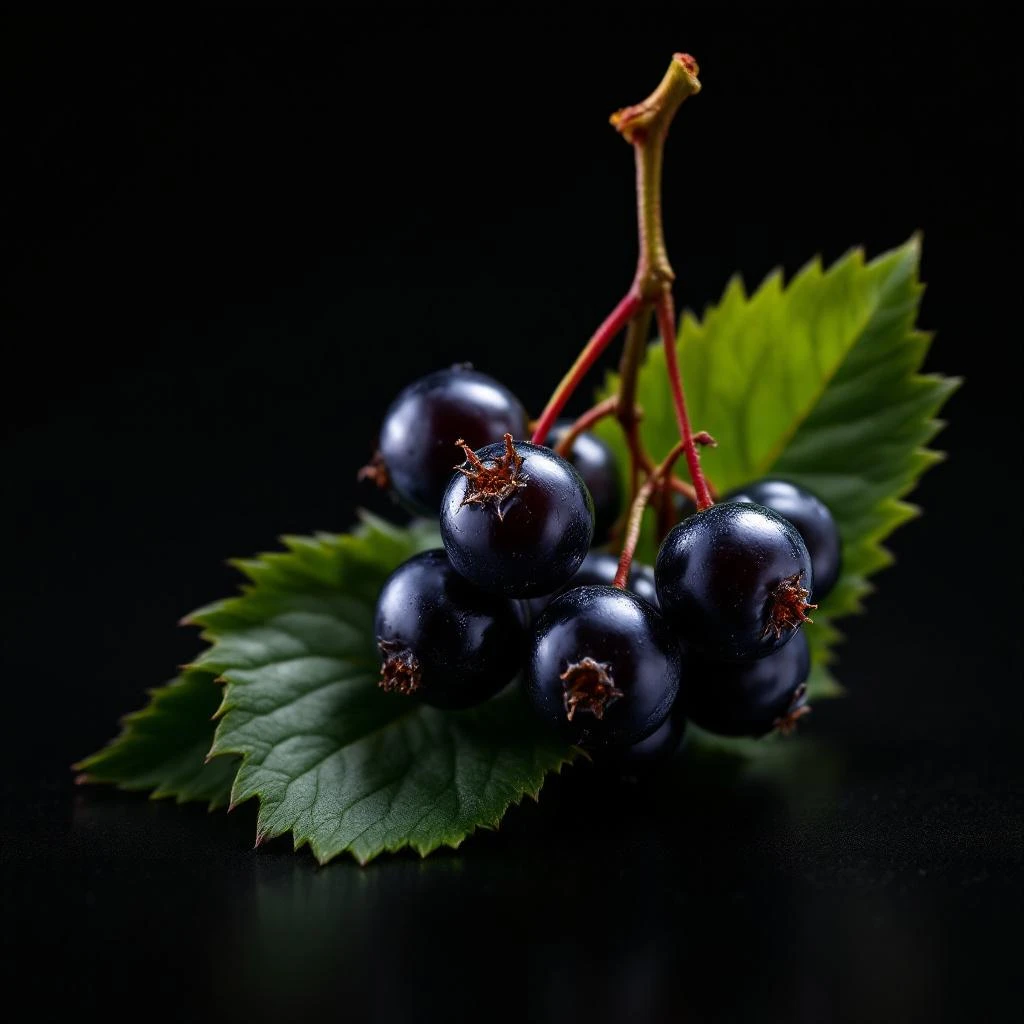
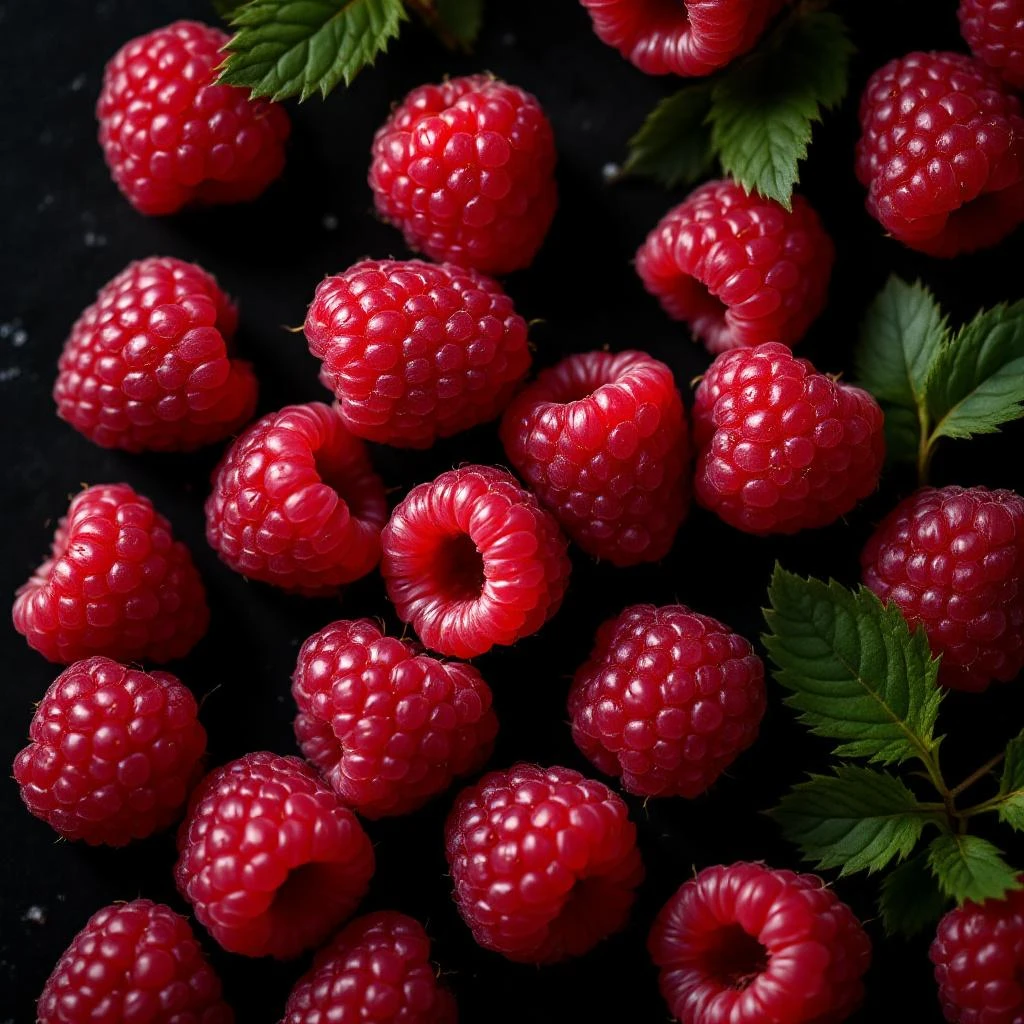
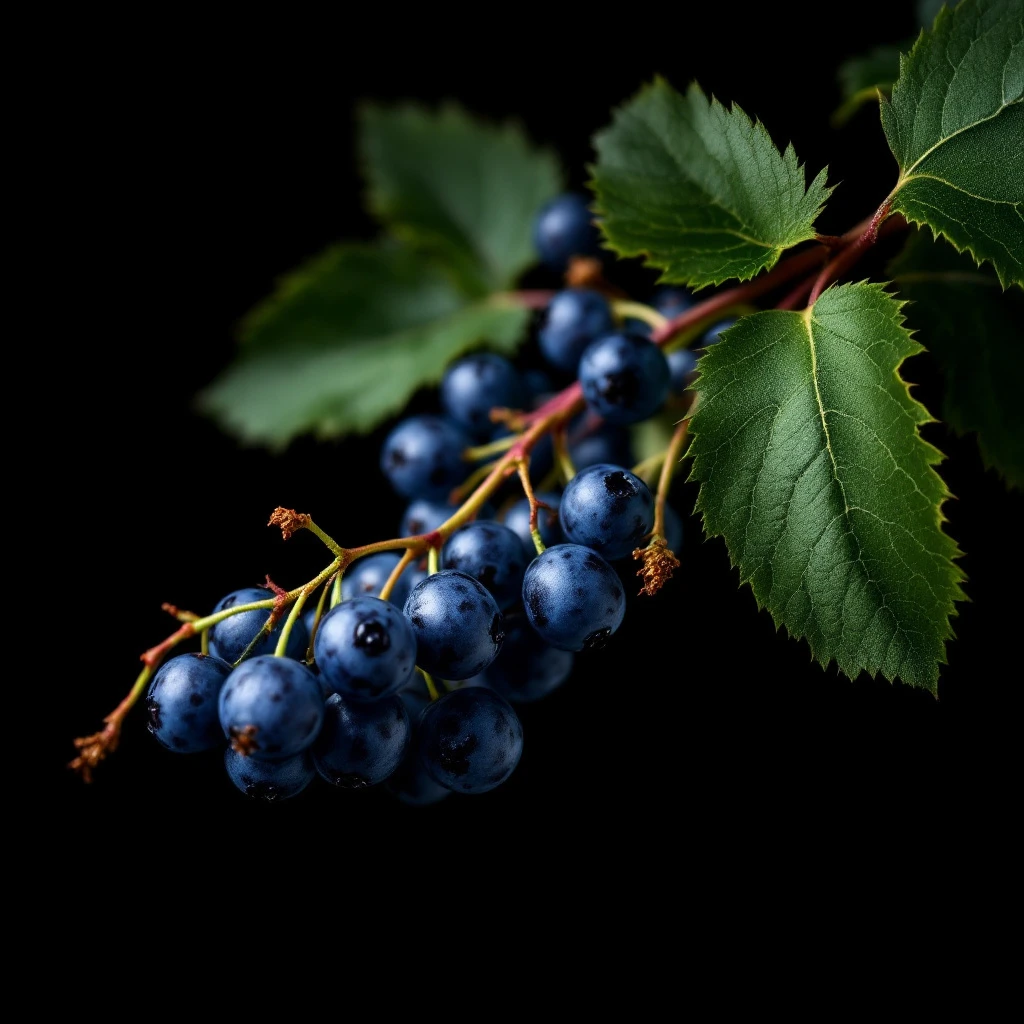
Wild currant brings a sharp, sun-warmed tartness to fragrance, recalling forest edges where red and black berries ripen among dense foliage. Its scent profile balances bright acidity with a leafy, slightly musky undertone.
Character
How it smells
Forest-edge brightness bottled.
Wild currant has no dedicated perfumery extraction; its aroma is reconstructed in the lab from synthetic esters and natural isolates first popularised by Guerlain.
Pairs beautifully with
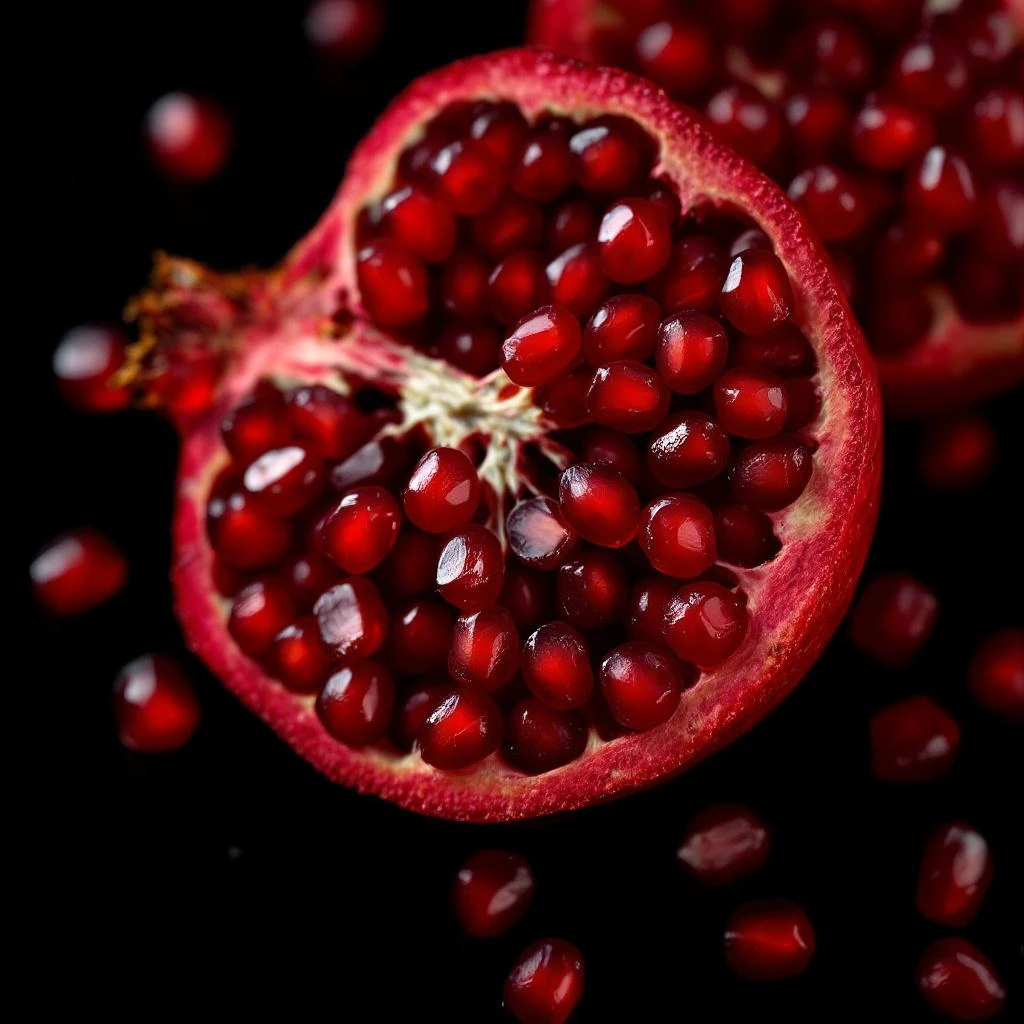
Origin
France
The currant's path into perfumery is relatively recent, beginning in the late twentieth century. While blackcurrant bud absolute entered the perfumer's palette in 1969 with Guerlain's Chamade, wild currant as a distinct note developed later, shaped by the rise of fruity gourmand compositions in the 1990s and 2000s. The shrub itself, native to temperate regions of Europe and northern Asia, has been foraged for food and folk medicine for centuries, but its aromatic berries were considered a culinary ingredient rather than a fragrance resource.
The shift happened as synthetic chemistry matured, allowing perfumers to capture the sharp, sun-warmed character of wild berries without relying on costly natural extractions. This made currant-family notes accessible across price points, from niche compositions to mass-market flankers. Red currant, in particular, became a signature element in fresh, sparkling fragrances designed to evoke orchard brightness.
Wild currant occupies a slightly wilder, more herbaceous space in this family, carrying connotations of untended hedgerows rather than cultivated gardens. Its rise reflects how modern perfumery expands the ingredient palette through reconstruction rather than extraction, opening sensory territory that traditional methods could never economically reach.
Wears it best
Fragrances featuring Wild Currant
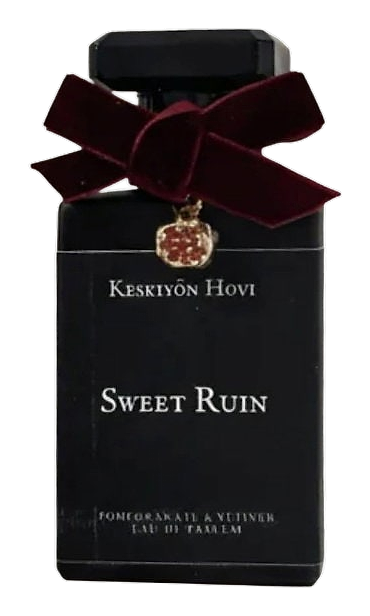
Brands
Brands known for Wild Currant
Good to know
Questions, answered
The essentials on Wild Currant in perfumery: how it smells, where it comes from, and how it behaves on skin.
What does wild currant smell like in perfume?
Wild currant smells tart, bright, and slightly green, with a sharp berry acidity balanced by leafy, herbaceous undertones. It evokes sun-warmed berries growing at the edge of a forest rather than cultivated sweetness.
Is wild currant extracted naturally for perfumery?
No. Wild currant has no commercial natural extraction for fragrance use. Its scent is reconstructed in laboratories from synthetic esters and nature-identical aroma molecules, making it accessible without agricultural sourcing.
When was wild currant first used in fragrance?
The currant family entered perfumery through blackcurrant bud, first featured in Guerlain's Chamade in 1969. Wild currant as a reconstructed note gained wider popularity with the fruity gourmand trend of the 1990s and 2000s.
What is the difference between red currant and wild currant in perfumery?
Red currant tends toward sparkling, clean fruitiness suited to fresh compositions. Wild currant carries a more herbaceous, untamed character, suggesting hedgerows and forest edges rather than cultivated orchards.
Why is wild currant not extracted as a natural absolute?
The berries yield negligible aromatic material through solvent extraction, making natural currant absolute uneconomical to produce. Chemists instead isolate the key odor molecules and rebuild the scent synthetically.
What fragrance families feature wild currant notes?
Wild currant appears most often in fruity and fresh compositions, particularly modern florals and unisex fragrances that combine tart berry top notes with green or woody bases for added complexity.
Are currant notes safe for sensitive skin?
Reconstructed currant accords rely on synthetic esters and isolates, which are generally well-tolerated. However, individual reactions vary; patch testing any new fragrance is always advisable for sensitive skin.
How does wild currant compare to blackcurrant bud in perfumery?
Wild currant offers bright, sharp fruitiness reconstructed from aroma chemicals, while blackcurrant bud provides a rare natural absolute with green, catty, and slightly sulfurous depth from actual bud extraction.