White Bourbon Rose
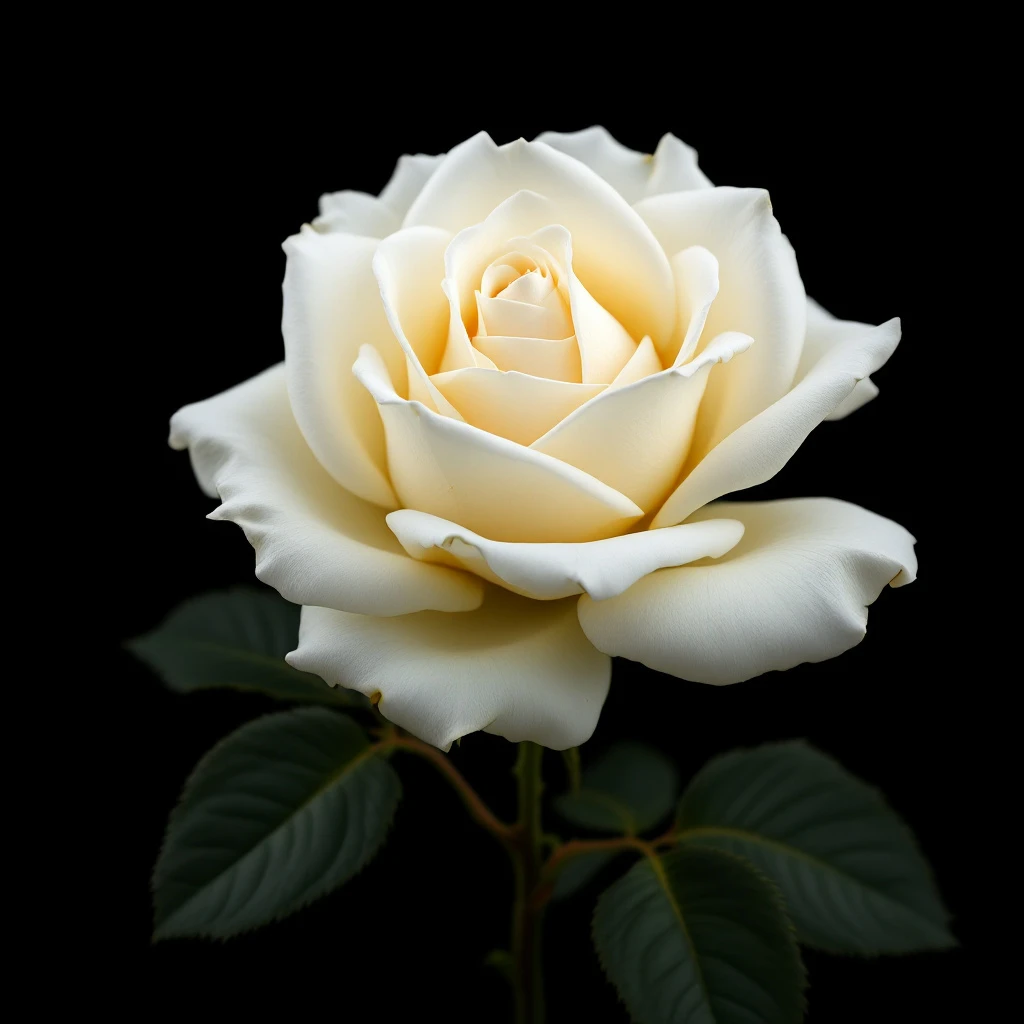
White Bourbon Rose marries the storied heritage of the Bourbon rose with the delicate clarity of Rosa × alba, creating a fragrance note that balances soft powdery sweetness with honeyed fruit undertones.
Character
How it smells
Soft petals, deep roots
Bourbon roses were first found growing wild on Île de Réunion in 1817, their seeds likely carried there by sailing ships from Bengal or the Dutch East Indies.
Pairs beautifully with


Origin
Réunion (Île de Bourbon)
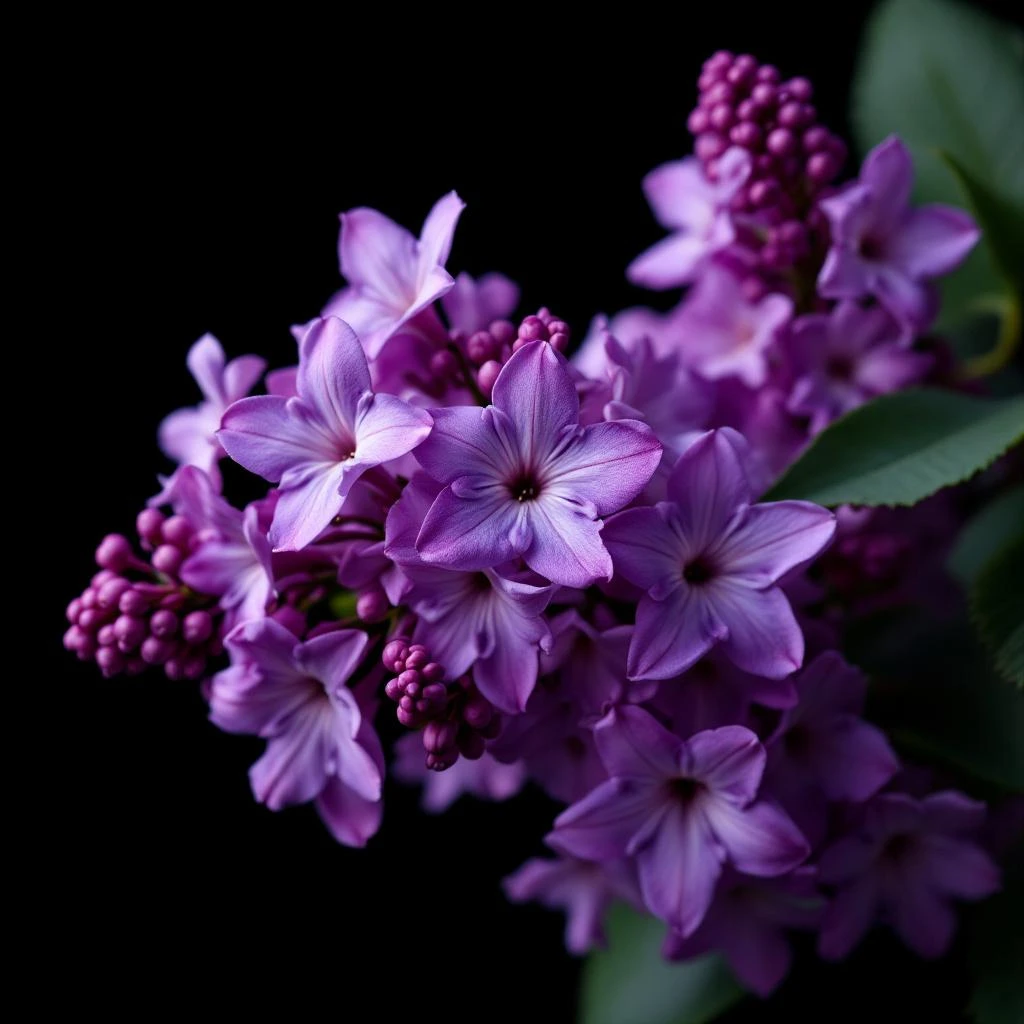
The Bourbon rose carries one of the most romantic origin stories in botanical history. In 1817, a French botanist on Île de Bourbon, now Réunion in the Indian Ocean, noticed a population of roses that appeared to be natural hybrids between the China rose and the Damask rose, their seeds likely introduced through colonial shipping routes connecting India, the Malay Archipelago, and East Africa. The island's climate and cross-pollination produced plants with extraordinarily generous, full-petaled blooms and a strong, fruity scent.
By the 1820s, Bourbon roses had reached France, where breeders, including the renowned Guillot family in Lyon, began developing the line into formal garden varieties, earning the nickname "Queen of Roses." The white rose side of the lineage traces much further back. Rosa × alba, a hybrid believed to have emerged in the Mediterranean through ancient cross-breeding of Rosa gallica and Rosa canina, appears in botanical references as early as the 16th century and was cultivated for rosewater production across the Levant and North Africa.
The name White Bourbon Rose reflects this marriage of two storied lines, a Bourbon's depth tempered by an alba's clarity. By the Victorian era, both lines had become pillars of European perfumery, appearing in formulas by houses like Guerlain and Ed. Pinaud, prized for their ability to anchor compositions without overwhelming them.
Wears it best
Fragrances featuring White Bourbon Rose
Brands
Brands known for White Bourbon Rose
Good to know
Questions, answered
The essentials on White Bourbon Rose in perfumery: how it smells, where it comes from, and how it behaves on skin.
What does White Bourbon Rose smell like?
White Bourbon Rose carries a soft, powdery sweetness layered with honeyed fruit, like a Damask rose with a raspberry-spiked lift and a clean, lemony edge. It is less indolic and heavier than Turkish rose oil, offering a brighter, almost dewy character in compositions.
Is White Bourbon Rose a natural or synthetic material?
It is primarily a natural material derived from hand-harvested rose petals via steam distillation or solvent extraction. Some fragrance houses also use reconstructed accords that blend natural rose oils with synthetic isolates like citronellol and geraniol for consistency.
How is White Bourbon Rose different from regular rose oil?
The Bourbon lineage contributes pronounced fruity and slightly jammy facets, while white rose influence adds a powdery, almost soapy softness. Standard rose oils from Rosa damascena or Rosa centifolia tend to be richer, deeper, and more honeyed by comparison.
Where does White Bourbon Rose originate?
Bourbon roses were first documented in 1817 on Île de Réunion in the Indian Ocean, a French colonial territory at the time. Their cultivation has since spread to Grasse in France, the Balkans, Iran, and parts of India, where climate and altitude favor oil production.
What perfumes use White Bourbon Rose as a key note?
White Bourbon Rose appears in compositions from several heritage houses, particularly in florals where a lighter, less dense rose character is desired. Niche perfumers also favor it for soliflores and modern interpretations of classic rose bouquets.
Why is rose oil so expensive?
Rose oil demands enormous quantities of raw material: one kilogram of oil requires roughly 3,500 kilograms of hand-picked petals. Combined with seasonal labor and low yields per acre, this makes it one of the most costly essential oils in perfumery, often priced higher than sandalwood.
Can White Bourbon Rose be grown at home?
Yes, Bourbon rose cultivars and Rosa × alba varieties are available through specialty nurseries. They thrive in temperate climates with full sun, well-drained soil, and annual pruning, blooming in flushes from late spring through early autumn.
When is rose harvesting season for perfumery?
Commercial rose harvesting for oil production typically runs from May to early June in the Northern Hemisphere, with flowers picked before sunrise when oil concentration in the petals is at its peak. In the Southern Hemisphere, the season shifts to November through December.





