West African Cocoa Absolute
West African Cocoa Absolute captures the deep, fermented warmth of roasted cacao in a concentrated form prized by perfumers for its complex gourmand character and natural affinity with vanilla, amber, and oriental bases.
Character
How it smells
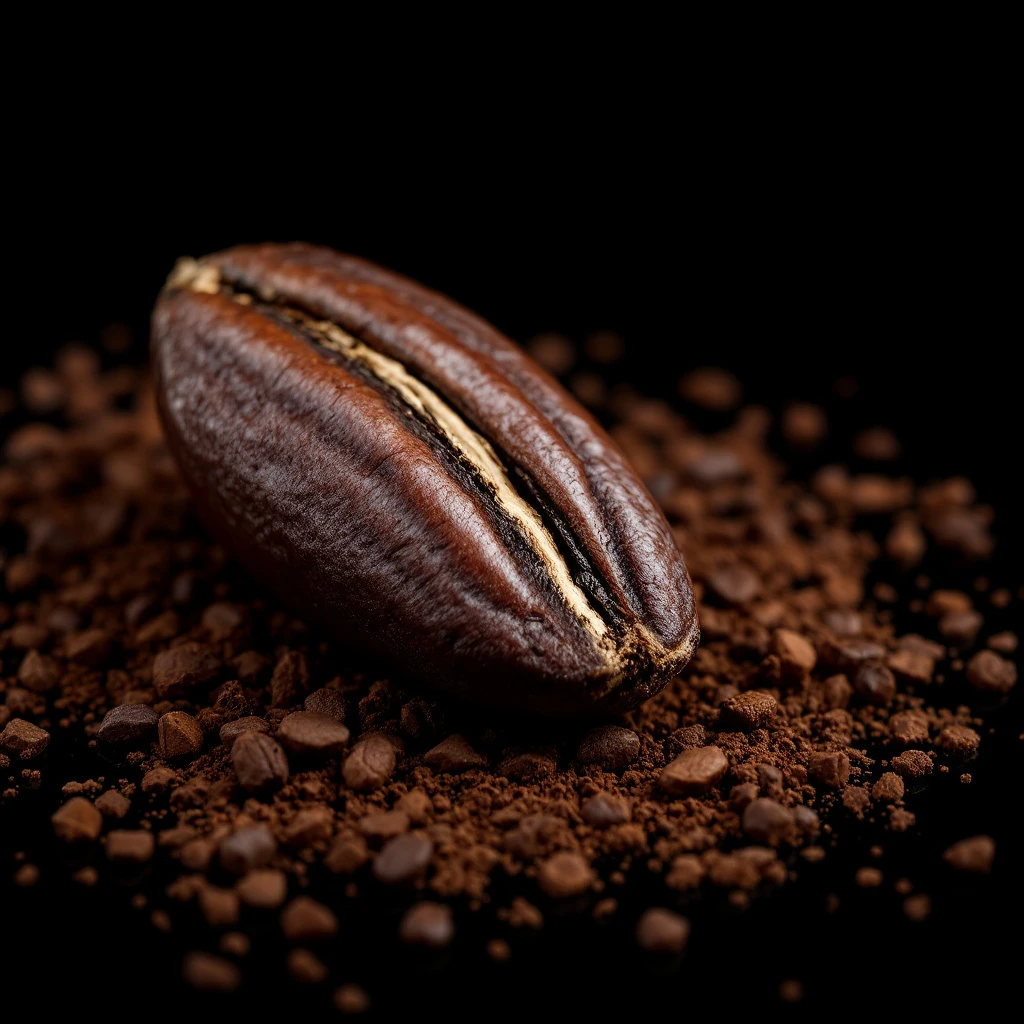
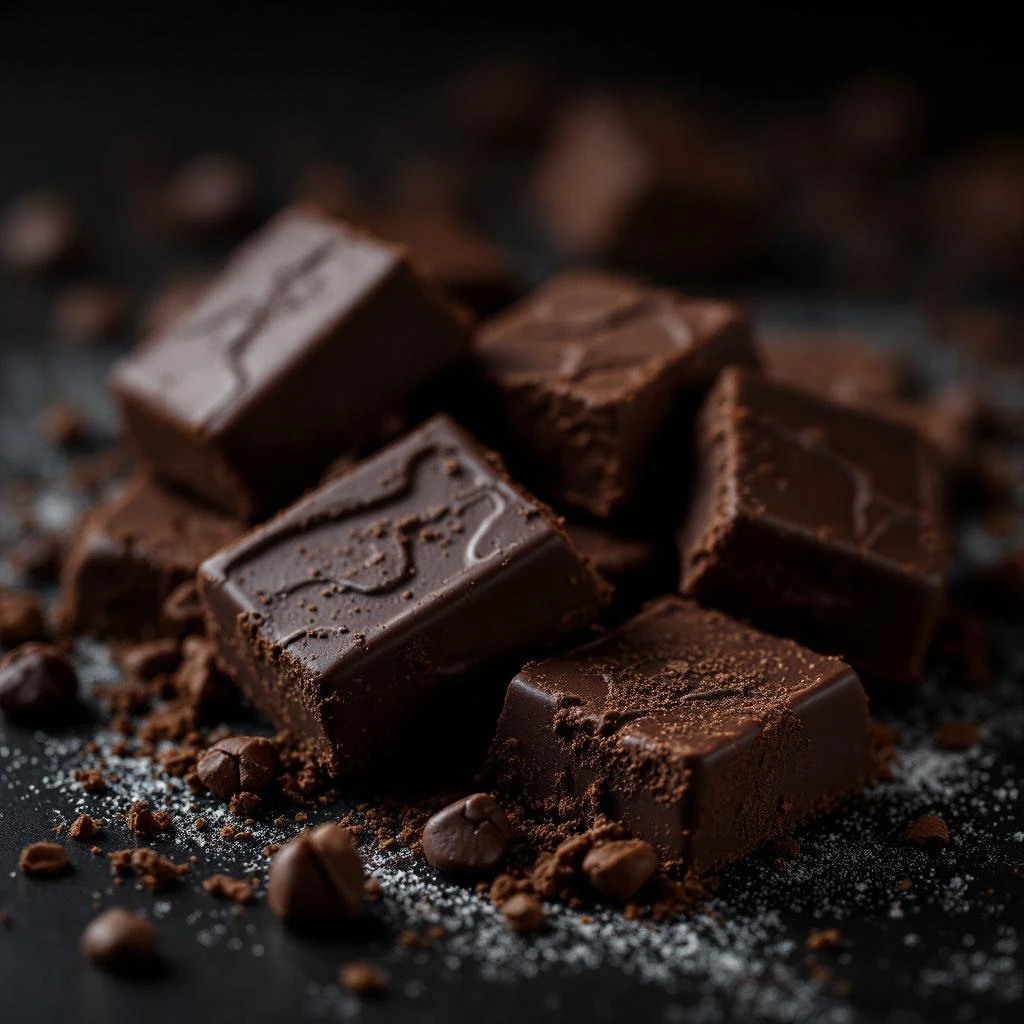
The fermented soul of dark chocolate, captured in amber.
Cocoa absolute contains naturally occurring pyrazines that produce its characteristic nutty, slightly smoky aroma—compounds also found in coffee and roasted nuts.



Origin
Ivory Coast
The cacao tree originated in the Amazon basin, where indigenous peoples of Mesoamerica first cultivated it as early as 1900 BCE. The Maya and later the Aztecs revered cacao beans, processing them into a frothy beverage often blended with spices and honey—a drink reserved for nobility and ceremonial occasions. Spanish conquistadors introduced cacao to Europe in the sixteenth century, where it gradually evolved from a bitter drink into the sweetened confection we recognize today.
West African cocoa production began during the colonial era, accelerating dramatically in the twentieth century. Countries including the Ivory Coast, Ghana, Nigeria, and Cameroon now produce approximately two-thirds of the world's cocoa. The Ivory Coast stands as the largest individual producer globally.
This geographic shift from the Americas to West Africa occurred because colonial powers recognized the region's ideal growing conditions—consistent warmth, ample rainfall, and suitable soil—and established extensive plantation systems that continue to dominate global supply.
Wears it best
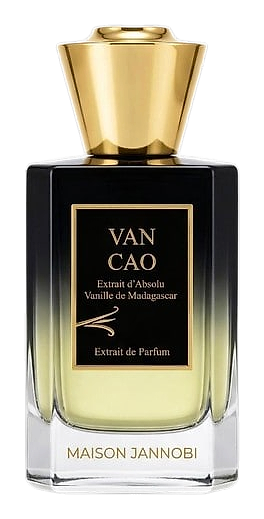
Fragrances featuring West African Cocoa Absolute
Brands
Brands known for West African Cocoa Absolute
Good to know
Questions, answered
The essentials on West African Cocoa Absolute in perfumery: how it smells, where it comes from, and how it behaves on skin.
What does West African Cocoa Absolute smell like?
Cocoa absolute presents a rich, deep aroma combining bittersweet chocolate with fermented, almost wine-like undertones. It contains warm, nutty pyrazine notes alongside sweet vanillic facets, creating a complex gourmand character that differs markedly from synthetic chocolate accords.
How is cocoa absolute different from cocoa powder or cocoa butter?
Cocoa absolute is a solvent-extracted concentrate, making it far more potent than cocoa powder or butter. While powder and butter serve primarily as food ingredients, absolute captures the full aromatic essence in a highly concentrated form suitable for perfumery applications.
Which perfume families use cocoa absolute?
Cocoa absolute appears most frequently in oriental and gourmand fragrances. It pairs exceptionally well with vanilla, tonka bean, amber, and woody notes, often appearing in heart or base compositions where its warmth provides lasting depth.
Why do perfumers source cocoa absolute from West Africa?
West Africa produces roughly two-thirds of global cocoa, with the Ivory Coast and Ghana offering beans that develop particularly rich aromatic profiles due to specific soil composition, humidity levels, and traditional fermentation methods practiced by local farmers.
Is cocoa absolute vegan and natural?
Cocoa absolute is both vegan and natural, derived entirely from plant material through food-grade solvent extraction. It contains no animal-derived ingredients and carries the characteristic aroma compounds naturally present in roasted cacao beans.
What concentration of cocoa absolute do perfumers typically use?
Perfumers work with cocoa absolute at low concentrations, typically between 0.1% and 2% in fragrance concentrates, due to its intensity. Even small amounts deliver significant impact, contributing warmth and gourmand depth to compositions.
Does cocoa absolute contain allergens?
Cocoa absolute may contain trace methyl procrylate, which EU cosmetic regulations list as a potential allergen requiring declaration. Reputable suppliers provide full allergen documentation for professional and regulatory compliance.
How does roasting affect cocoa absolute's aroma profile?
Roasting transforms raw cacao beans through Maillard reactions, generating hundreds of new aromatic compounds including aldehydes, pyrazines, and furans. This thermal process deepens the beans from vegetal and acidic notes into the warm, bittersweet chocolate character that defines high-quality absolute.