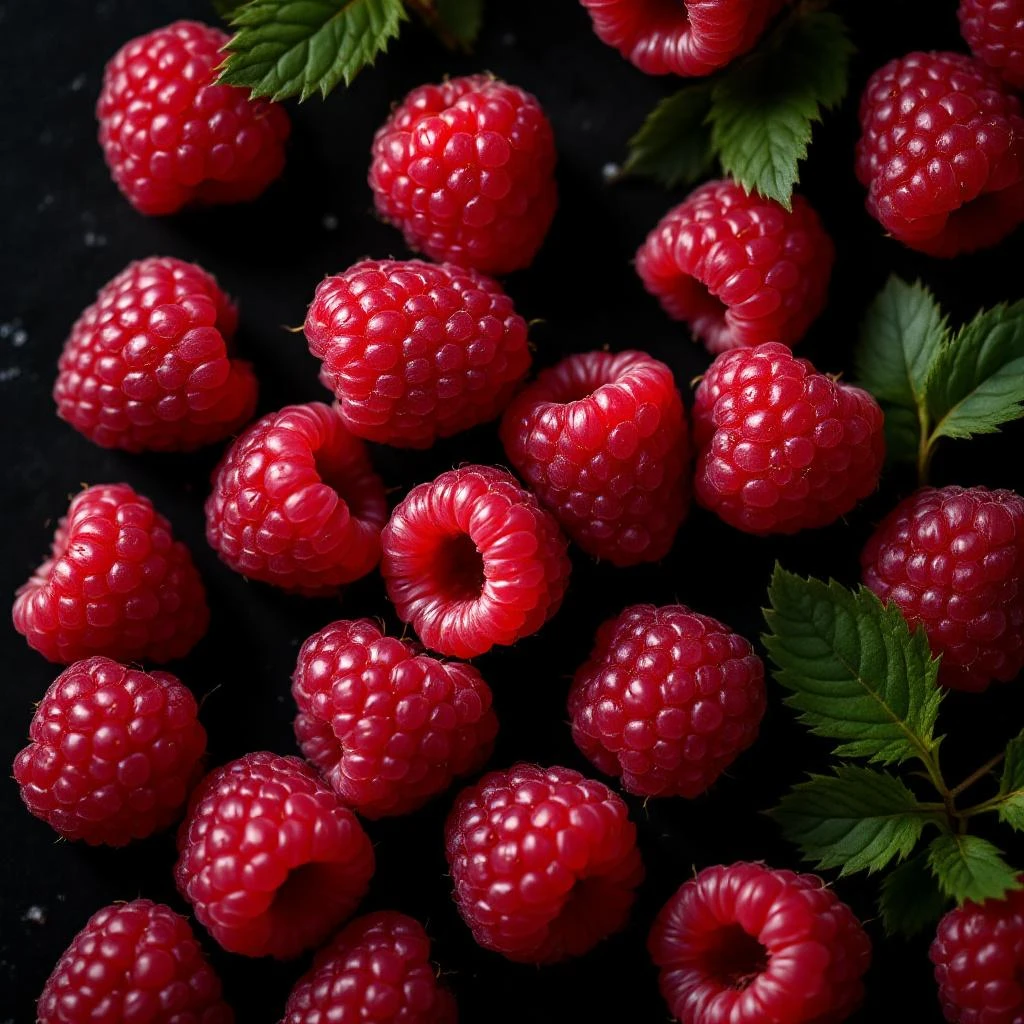
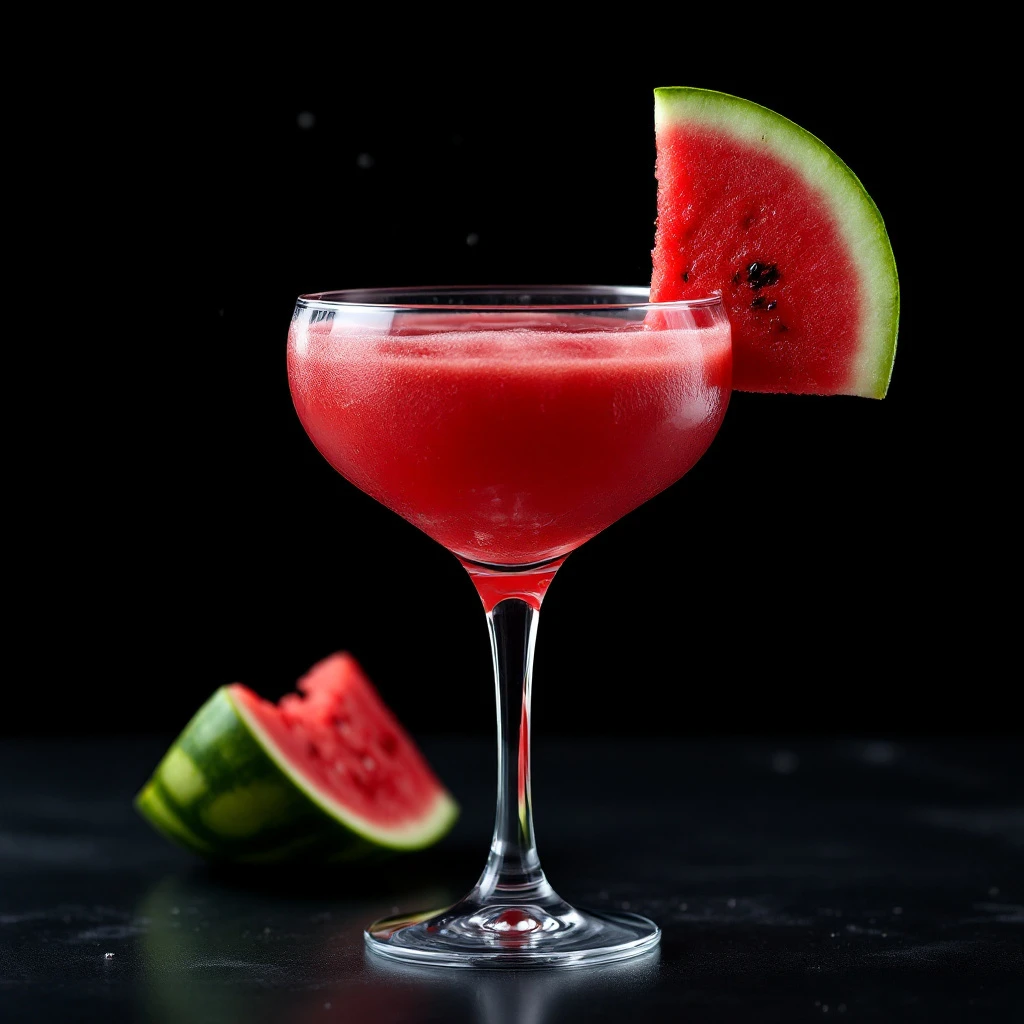
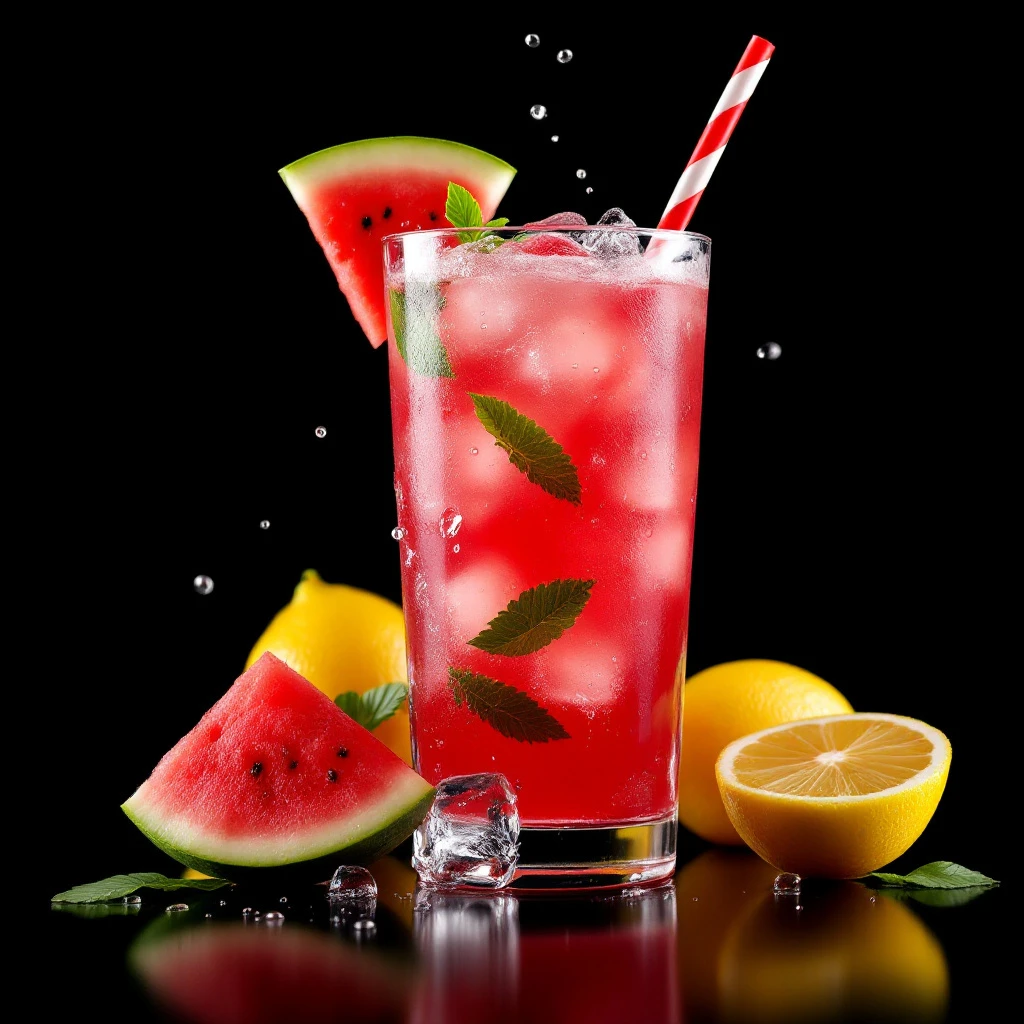
Watermelon Daiquiri
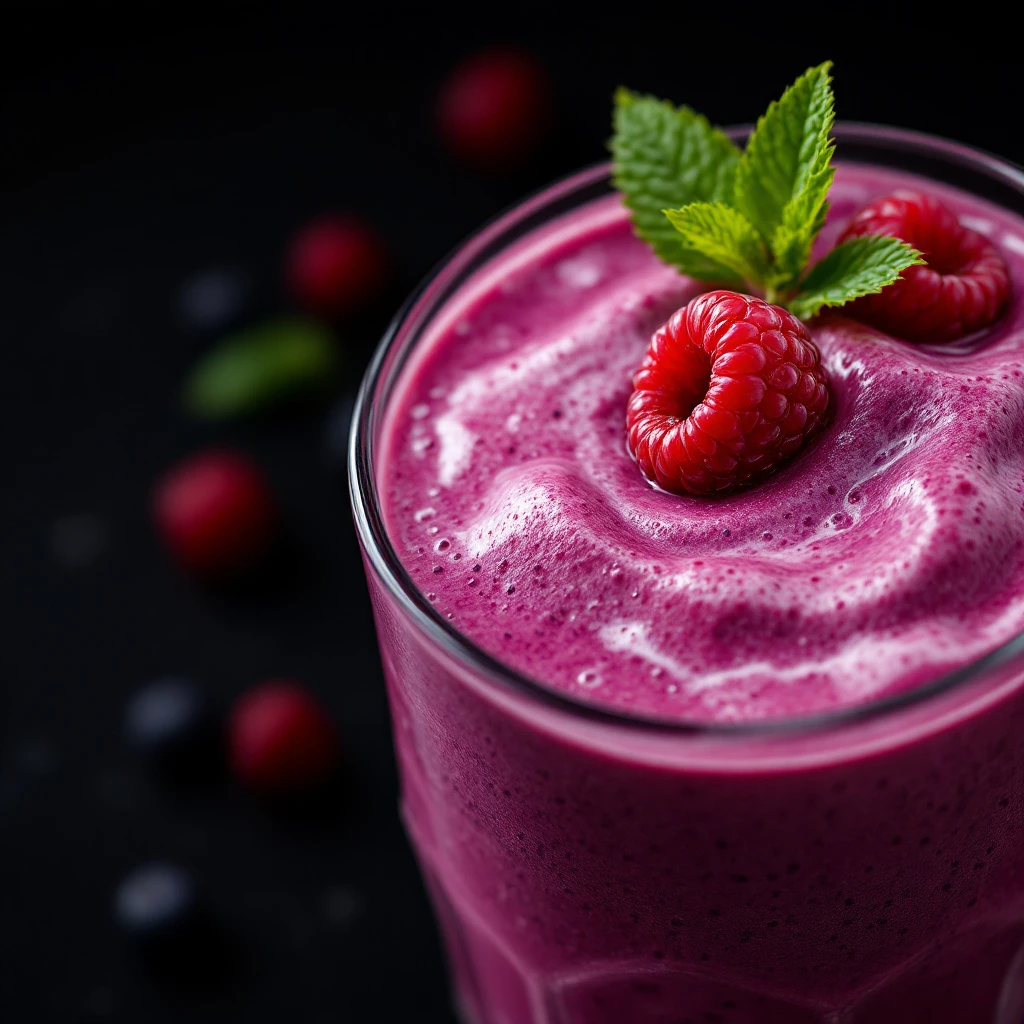
Watermelon Daiquiri captures the effervescent snap of chilled melon meets lime zest and a whisper of white rum. This playful accord brings cocktail-hour brightness to warm-weather fragrances, evoking sunlit afternoons and carefree gatherings.
Character
How it smells
Sun-soaked melon, lime sparkle, and a hint of rum warmth
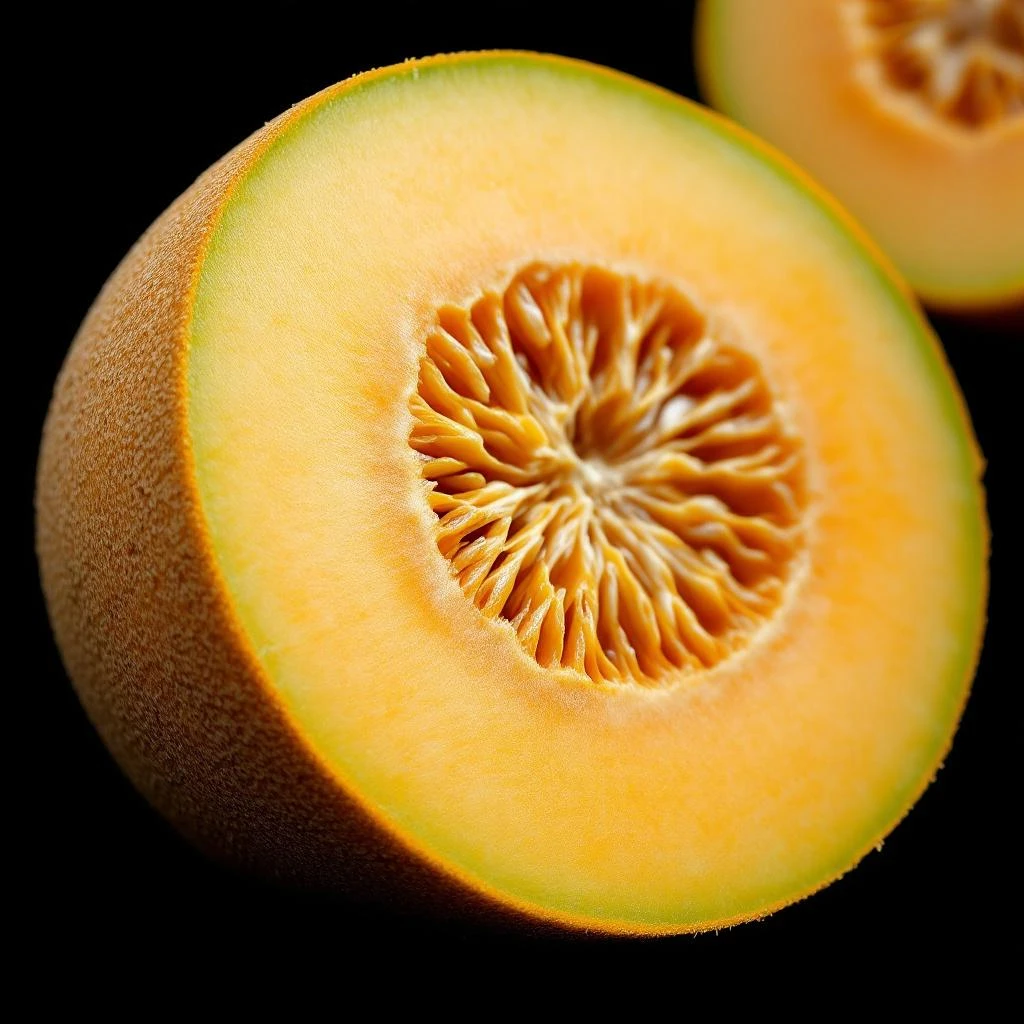
Watermelon yields no essential oil, so perfumers build this note entirely from aroma molecules like Melonal and watermelon ketone, first synthesized in the 1950s.
Origin
Cuba
The daiquiri cocktail dates to late 19th-century Cuba, where American mining engineers near the village of Daiquiri combined local sugarcane rum with lime juice and sugar. Watermelon variations emerged later as bartenders experimented with muddled fresh fruit. In perfumery, watermelon arrived far more recently.
Throughout the 20th century, perfumers struggled to capture its scent because traditional extraction methods failed on such a watery fruit. The breakthrough came in the 1950s when chemists at a major fragrance house synthesized Melonal, a molecule that smells strikingly like fresh-cut watermelon. This discovery opened the door to aquatic and fruity fragrance trends that exploded in the 1990s.
The daiquiri interpretation, pairing melon with lime and rum notes, reflects a broader cultural fascination with cocktail-inspired fragrances that began gaining momentum in the 2010s, as gourmand and tropical profiles reshaped mainstream scent preferences.
Wears it best
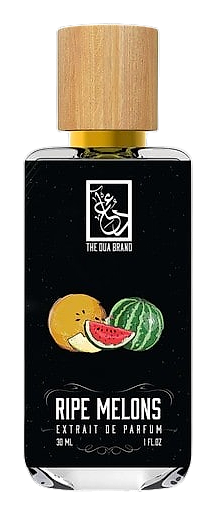
Fragrances featuring Watermelon Daiquiri
Brands
Brands known for Watermelon Daiquiri
Good to know
Questions, answered
The essentials on Watermelon Daiquiri in perfumery: how it smells, where it comes from, and how it behaves on skin.
What does Watermelon Daiquiri smell like in perfume?
A bright fusion of juicy watermelon flesh, sharp lime zest, and a faint boozy warmth reminiscent of white rum. The effect is cooling, fruity, and slightly effervescent, like sipping a frozen cocktail poolside on a hot afternoon.
Is Watermelon Daiquiri a natural or synthetic note?
Entirely synthetic. Watermelon contains too much water to yield essential oil, so perfumers rely on aroma molecules like Melonal and lime-derived citral to reconstruct the scent from scratch.
When was watermelon first used in perfumery?
Watermelon entered perfumery in the 1950s after chemists synthesized Melonal, a molecule capturing the fruit's distinctive scent. Prior to that, the note was nearly impossible to replicate through natural extraction methods.
Where did the daiquiri cocktail originate?
The daiquiri originated in Cuba near the village of the same name around 1898. American mining engineers mixed local sugarcane rum with lime juice and sugar, creating a classic that later inspired fruity fragrance interpretations.
How long does Watermelon Daiquiri last on skin?
Typically 1 to 3 hours. Watermelon and lime are top notes built on highly volatile molecules, meaning they fade quickly. Some modern formulations use fixatives or encapsulation to extend wear time slightly.
Is Watermelon Daiquiri a summer-only fragrance?
Not exclusively. While it shines in warm weather due to its cooling, tropical character, the note appears year-round in fragrances marketed as fresh, fruity, or aquatic. It suits anyone seeking a lighthearted, beach-inspired scent.
What fragrances pair well with Watermelon Daiquiri?
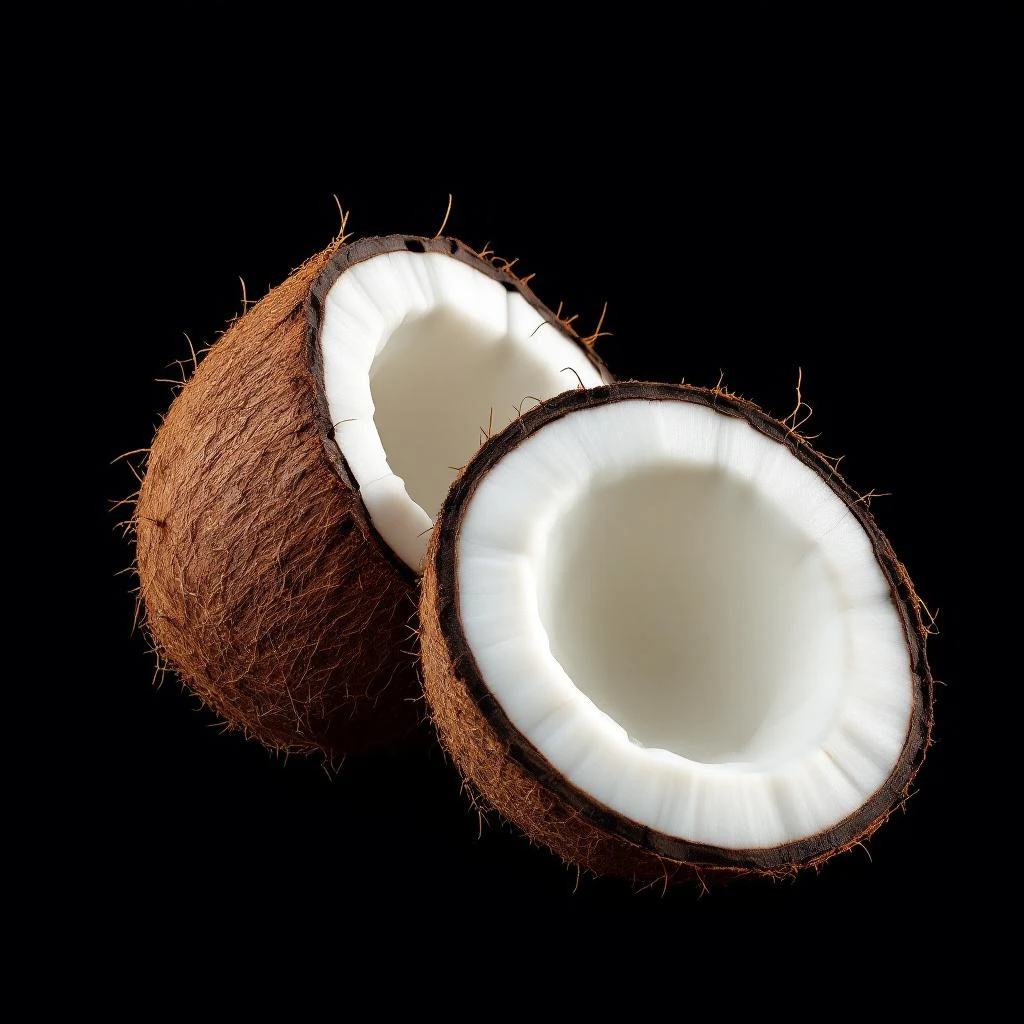
Coconut, sea salt, and white florals like frangipani enhance its tropical character. For contrast, try pairing it with mint for added freshness or sandalwood to ground the bright top notes with creamy depth.
Can watermelon scent be extracted naturally?
No. Watermelon's 92% water content makes steam distillation ineffective, and solvent extraction destroys its delicate aroma. Only synthetic chemistry can reliably capture and preserve this scent for perfumery.