Vanilla Tincture India
India's Vanilla Planifolia yields a tincture unlike any other. Slow maceration in alcohol extracts not just vanillin but hundreds of aromatic compounds, creating a warm, multi-faceted sweetness that synthetic vanillin cannot replicate. This is vanilla in its most honest form.
Character
How it smells
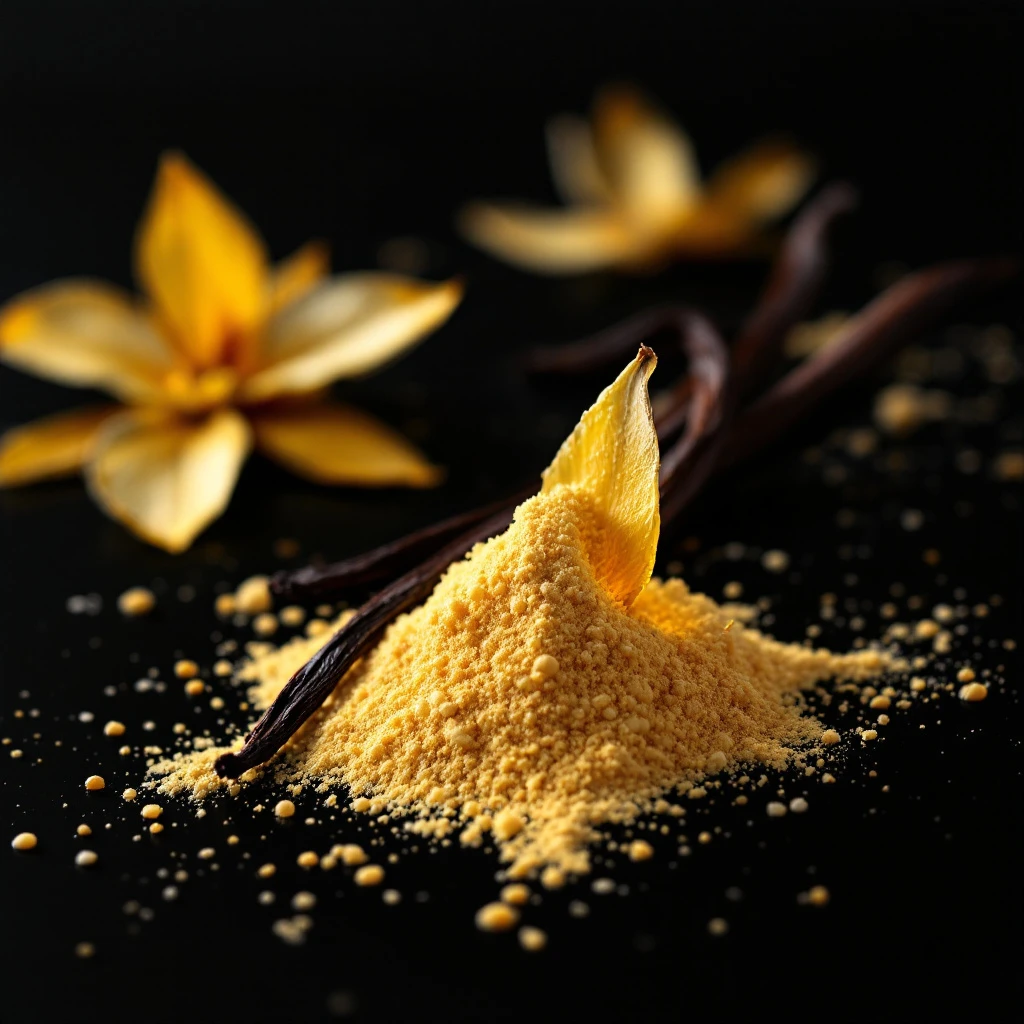
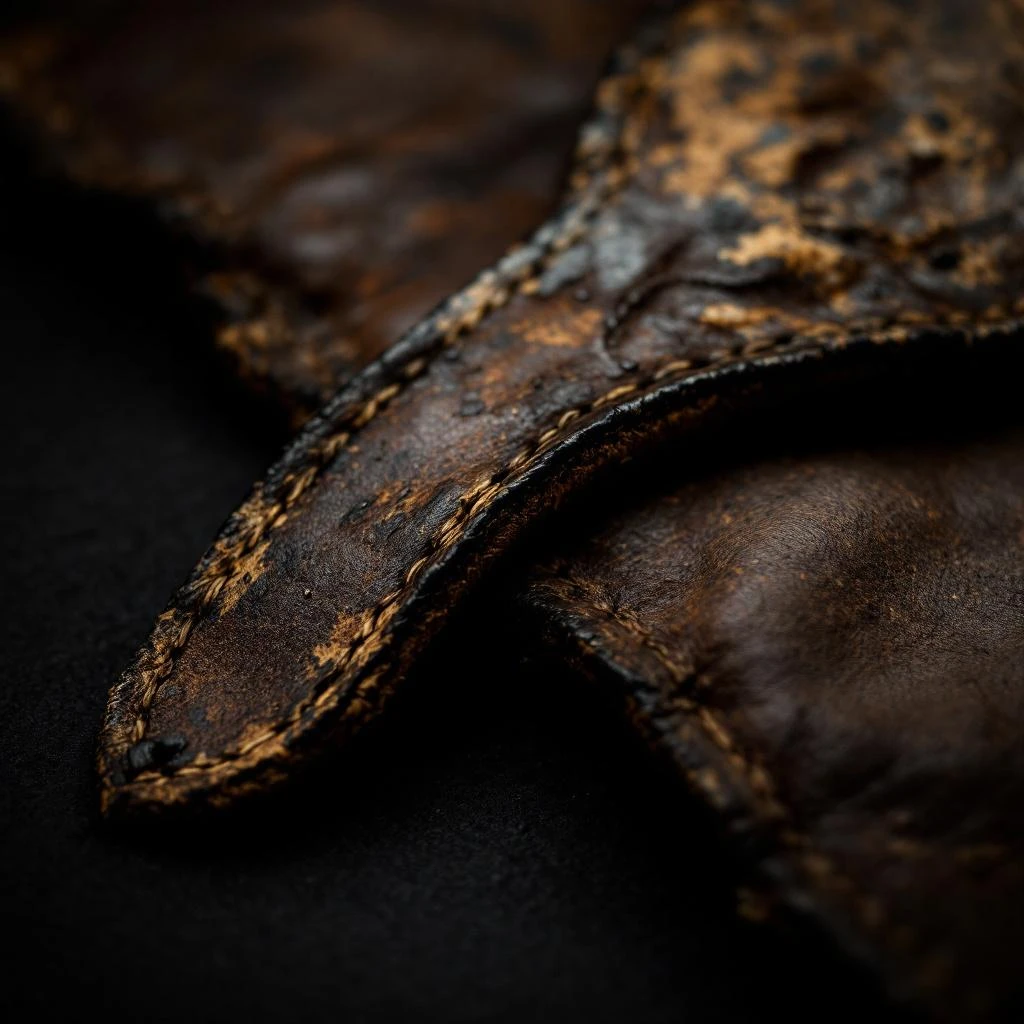
Warm, resinous, and unapologetically natural.
Vanilla is the second most expensive spice after saffron, requiring up to nine months to cure from green pod to aromatic bean.



Origin
India
Vanilla traces its roots to Mesoamerica, where the Totonac people first cultivated the orchid Vanilla planifolia. The Aztecs later adopted it to flavor cacao drinks, and Spanish colonizers carried vanilla to Europe in the 1500s, where it became a luxury flavoring and medicine. For centuries, global supply remained limited because the plant's Melipona bee, native to Mexico, was required for natural pollination.
India entered vanilla cultivation in the late 20th century, with Kerala and Tamil Nadu emerging as primary growing regions. The warm, monsoon-driven climate produces pods with distinctive chemical profiles shaped by local terroir. Indian vanilla gained recognition in perfumery circles for its rich, resinous quality that differs subtly but noticeably from Madagascar's dominance.
Vanilla first appeared in modern perfumery in 1889, when Guerlain's Jicky combined natural vanilla with synthetic vanillin, marking a turning point. Yet natural vanilla tincture never lost its relevance. For perfumers committed to natural materials, it remains the gold standard: a material of irreplaceable complexity and historical continuity.
Wears it best
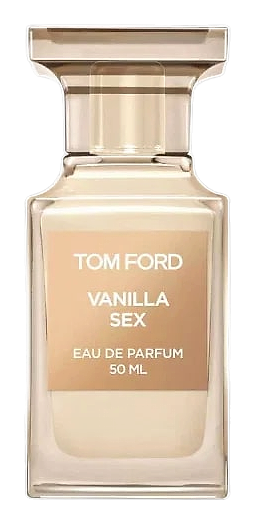
Fragrances featuring Vanilla Tincture India
Brands
Brands known for Vanilla Tincture India
Good to know
Questions, answered
The essentials on Vanilla Tincture India in perfumery: how it smells, where it comes from, and how it behaves on skin.
What makes vanilla tincture different from vanilla absolute?
Vanilla tincture uses alcohol maceration over weeks or months, capturing a broader range of aromatic compounds including trace elements lost in solvent extraction. Vanilla absolute is produced through volatile solvent extraction and tends toward a thicker, more concentrated material. Tincture offers a more faithful representation of the whole vanilla bean.
How does Indian vanilla differ from Madagascar vanilla?
Indian vanilla from Kerala produces pods with a darker, richer aroma often described as slightly chocolatey with coumarin undertones. Madagascar vanilla is brighter, sweeter, and more floral. The terroir-driven difference is subtle but noticeable to trained evaluators, influencing a perfumer's choice depending on the composition.
What concentration is used in perfumery?
Vanilla tincture is highly concentrated and typically diluted to 0.5–5% in fragrance concentrates. Even at low percentages, it delivers measurable warmth and depth. Overuse can produce an excessively sweet, cloying effect that overwhelms other notes.
How should vanilla tincture be stored?
Store in a tightly sealed amber glass bottle away from heat and direct sunlight. Alcohol-based tinctures can degrade if exposed to air or temperature fluctuations over time. Proper storage preserves potency and aromatic integrity for several years.
Why do vanilla beans float during tincture-making?
Trapped air inside the bean, oils released during extraction, and the bean's natural shape all contribute to buoyancy. This is normal and does not affect the quality of the tincture. Occasional stirring or weighting the beans ensures even extraction.
Is vanilla tincture suitable for natural perfumery?
Yes. Vanilla tincture is among the most valued natural materials in natural perfumery, alongside absolutes, essential oils, and CO2 extracts. It provides the complexity natural perfumers seek, though its alcohol base must be accounted for in formulation.
What fragrance families pair best with vanilla tincture?
Vanilla tincture excels in oriental, gourmand, and warm woody compositions. It anchors amber bases, complements resins like benzoin and labdanum, and adds warmth to florals such as jasmine and iris. It also softens sharp aldehydic or citrus openings.
Can vanilla tincture replace synthetic vanillin in a formula?
It can, but the result differs significantly. Synthetic vanillin provides a clean, consistent vanilla note but lacks the secondary aromatic compounds present in natural tincture. Natural vanilla adds resinous, balsamic, and faintly animalic dimensions that make the scent feel more complete and less linear.