Vanilla Tea
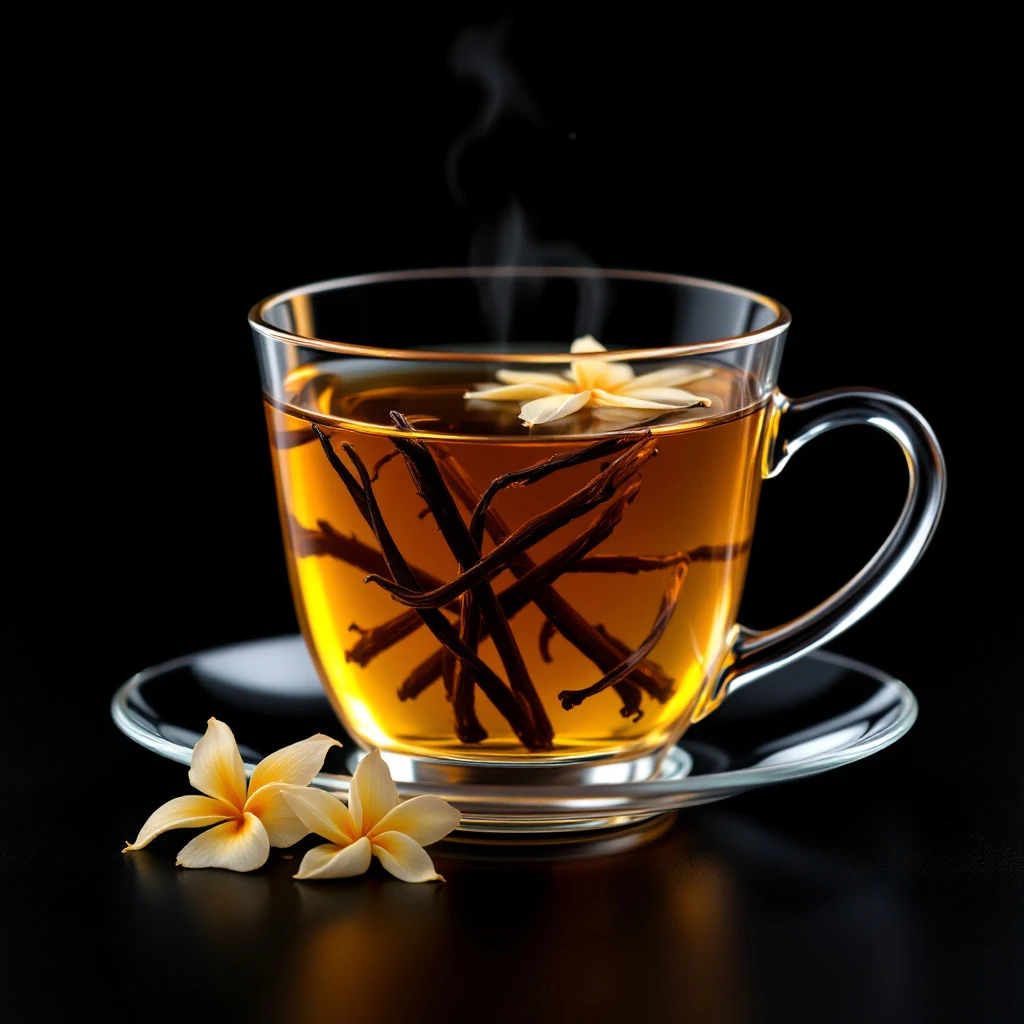
Vanilla Tea captures the creamy warmth of sun-cured vanilla pods blended with the astringent elegance of fermented Camellia sinensis leaves. This accord brings together two botanicals separated by thousands of miles, creating a scent that feels simultaneously familiar and exotic.
Character
How it smells
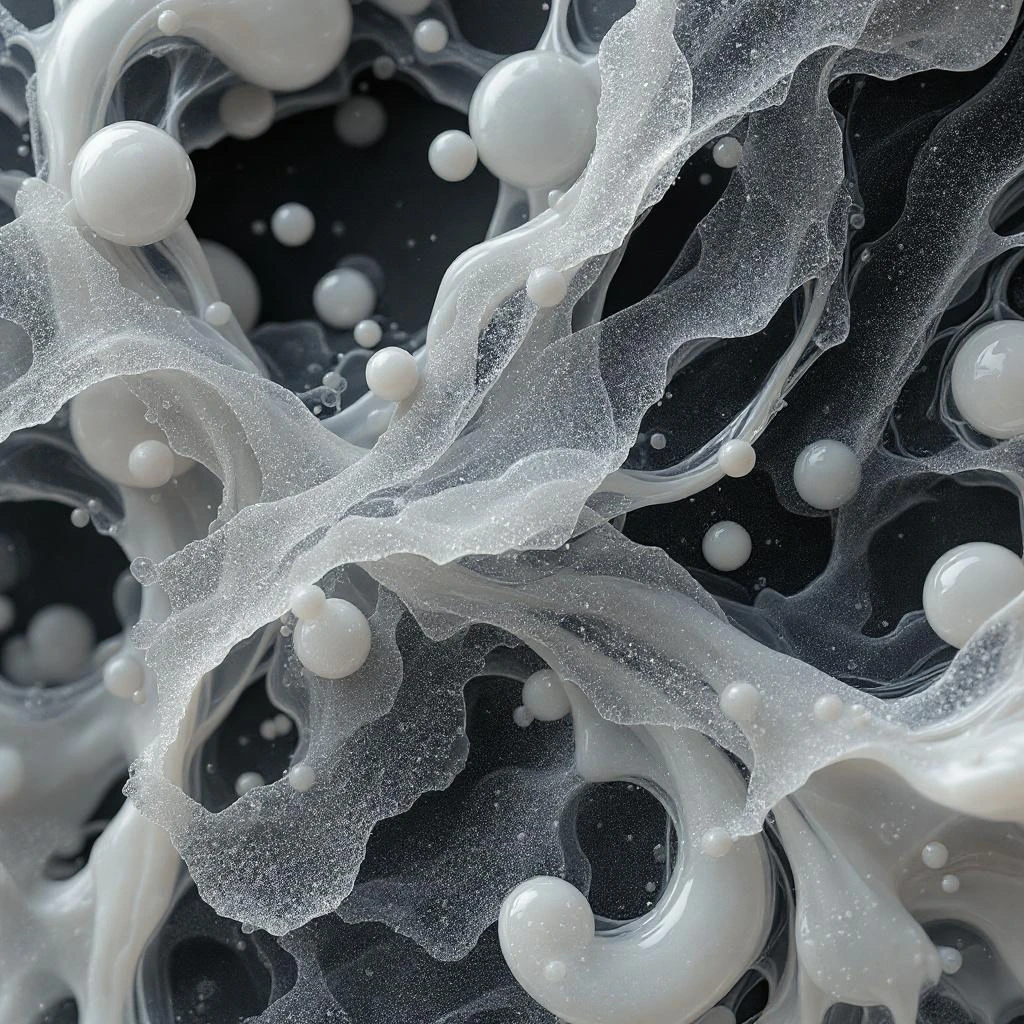
Where creamy vanilla meets crisp tea.
The vanilla orchid blooms for only one day, making pollination in the wild a rare event that originally depended on a single bee species native to Mexico.
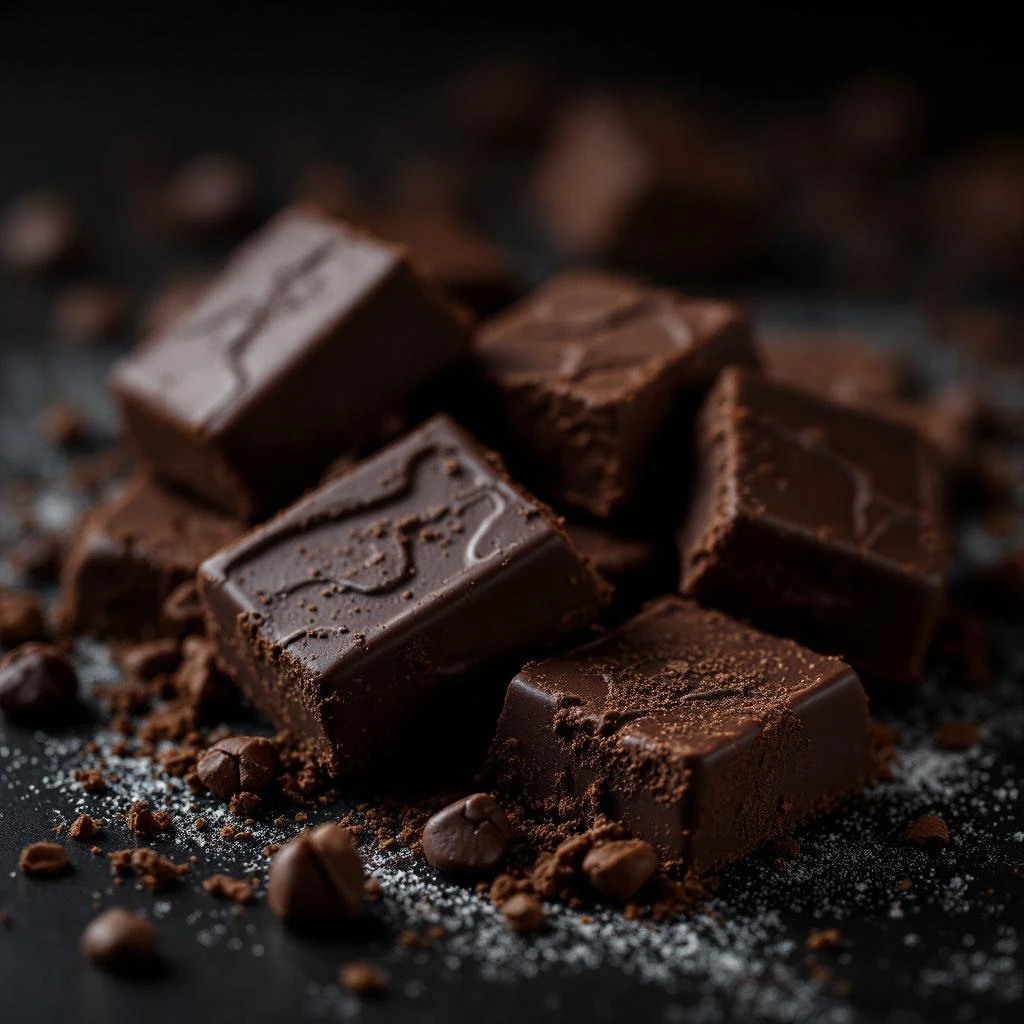
Pairs beautifully with


Origin
Mexico
Vanilla's history stretches back to the Aztec civilization, where the Totonac people cultivated it as a sacred tribute. Spanish conquistadors introduced vanilla to Europe in the 16th century, where it quickly became prized for flavoring chocolate and later for perfumery. Tea, meanwhile, has ancient roots in Chinese ceremonial traditions dating to the 3rd millennium BCE.
The combination of these two ingredients in perfumery reflects the 19th-century trend toward culinary-inspired fragrances, where perfumers began exploring edible and beverage-like accords. By the early 20th century, tea notes appeared in classic fragrances like Guerlain's Jicky, while vanilla maintained its position as one of perfumery's most beloved ingredients, eventually finding expression alongside tea in modern compositions.
Wears it best
Fragrances featuring Vanilla Tea
Brands
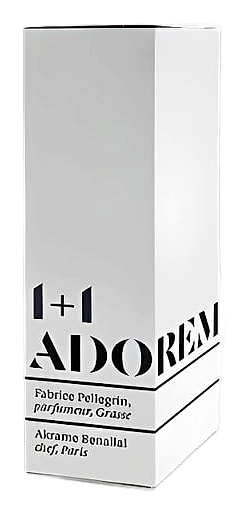
Brands known for Vanilla Tea
Good to know
Questions, answered
The essentials on Vanilla Tea in perfumery: how it smells, where it comes from, and how it behaves on skin.
What does Vanilla Tea smell like?
Vanilla Tea combines creamy, warm vanilla sweetness with the slightly bitter, fresh qualities of green or black tea. The result is a balanced accord that feels comforting yet bright, with subtle spice from the vanilla and clean, slightly astringent undertones from the tea.
Is Vanilla Tea natural or synthetic?
Vanilla Tea can be natural, synthetic, or a blend of both. Natural versions combine actual vanilla and tea extracts, while synthetic versions use lab-created vanillin alongside tea-scented aromatic compounds. Many perfumers create hybrid versions for consistency and cost efficiency.
Which perfumes feature Vanilla Tea?
Several niche and designer fragrances incorporate vanilla-tea accords. These compositions often position the note as a heart or base element, where it provides warmth without heaviness and bridges floral top notes with deeper base materials.
How long has vanilla been used in perfumery?
Vanilla entered European perfumery in the 16th century after Spanish conquistadors brought it from Mesoamerica. By 1884, vanillin appeared in Fougere Royale, and Guerlain's Jicky in 1889 became one of the first perfumes to blend natural and synthetic vanilla.
What makes vanilla cultivation so challenging?
Vanilla orchids require three to four years before producing flowers, and each bloom lasts only one day. Without manual pollination in most growing regions, vanilla production remains extremely labor-intensive, contributing to its status as the second-most expensive spice after saffron.
Can tea extracts go bad in perfumery?
Tea extracts in perfume formulations remain stable when properly preserved and stored away from heat and light. The volatile aromatic compounds in tea can degrade over very long periods, but well-formulated fragrances maintain their character for years.
What other ingredients pair well with Vanilla Tea?
Vanilla Tea harmonizes with floral notes like jasmine and rose, which complement its sweetness. It also pairs well with woodsy ingredients like sandalwood and cedar, which add depth, and with citrus oils that enhance the tea's brightness.
Why is Vanilla Tea popular in modern perfumery?
Consumers increasingly seek wearable, subtle fragrances that feel sophisticated without being overpowering. Vanilla Tea delivers warmth and comfort while remaining lighter than traditional vanilla bases, making it suitable for daytime wear and modern lifestyle preferences.