Tonquitone
Musk Tonquitone is a quiet powerhouse. This 1950s synthetic polycyclic musk doesn't demand attention but radiates warmth and softness, binding fragrance compositions together with a clean, enduring presence that changed how perfumers built their formulas.

Character
How it smells
The soft note that holds fragrances together.
Before synthetic musks like Tonquitone arrived, natural musk cost more than gold by weight, making it accessible only to the wealthiest patrons of luxury perfumery.







Origin
Laboratory origin
Natural musk, harvested from the scent glands of the Tibetan musk deer, remained one of perfumery's most coveted and expensive ingredients for centuries. Everything shifted in 1888, when Swiss chemist Albert Baur synthesized the first artificial musk, a breakthrough that opened an entirely new chapter in fragrance chemistry.
The early nitro-musks that followed were potent but carried safety limitations, prompting continued research that produced cleaner alternatives like Musk Ketone by 1895. Musk Tonquitone arrived in the 1950s as part of a second wave of polycyclic musk innovation, giving perfumers access to materials with improved safety profiles and refined olfactory qualities.
By mid-century, this class of synthetic musks had become indispensable to fragrance design, enabling the creation of products with unprecedented longevity and softness at price points that natural musk simply could not support. Tonquitone specifically contributed warm, powdery character to countless classic formulations, helping democratize beautiful fragrance during an era of rapid growth in the cosmetics industry.
Wears it best
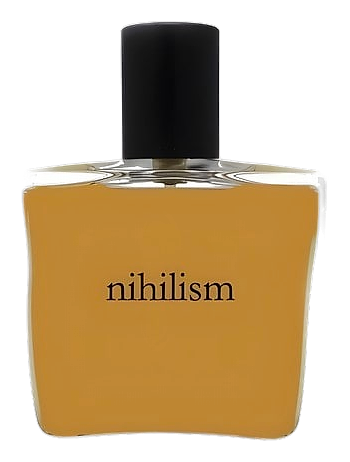
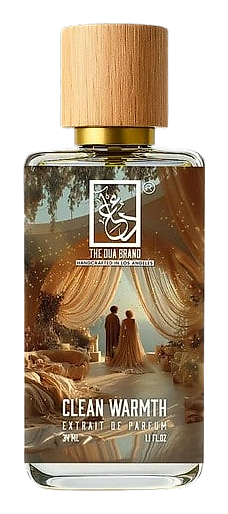
Fragrances featuring Tonquitone
Brands
Brands known for Tonquitone
Good to know
Questions, answered
The essentials on Tonquitone in perfumery: how it smells, where it comes from, and how it behaves on skin.
What is Musk Tonquitone?
Musk Tonquitone is a synthetic polycyclic musk developed in the 1950s. It provides fragrances with a warm, powdery softness that acts as a binding element, extending wear time and adding a clean, comforting base note to compositions.
When was Musk Tonquitone introduced?
Fragrance houses introduced Musk Tonquitone in 1951, during the post-war boom in synthetic fragrance chemistry when researchers were actively expanding the palette of safe, usable aromatic materials beyond naturals.
What does Musk Tonquitone smell like?
Musk Tonquitone presents as warm, clean, and slightly sweet, with powdery and musky qualities. It reads as soft and reassuring rather than loud or animalic, allowing it to blend seamlessly beneath more prominent top and heart notes.
Which famous fragrances contain Musk Tonquitone?
Musk Tonquitone appeared as a base note in many popular women's and men's fragrances launched between the late 1950s and 1970s. Its use declined as newer synthetic musks entered the market, though it remains a signature material in certain classic and niche compositions.
How does Musk Tonquitone compare to natural musk?
Natural musk from the musk deer offers extraordinary complexity and animalic depth but comes with prohibitive cost and ethical sourcing challenges. Musk Tonquitone delivers consistent warmth and longevity without those constraints, giving perfumers a dependable synthetic alternative.
What role does Musk Tonquitone play in fragrance formulas?
Musk Tonquitone functions primarily as a fixative and base note. It slows the evaporation of lighter fragrance components, making the scent last longer on skin, while adding a warm, rounded foundation that harmonizes the entire composition.
Is Musk Tonquitone still used today?
Musk Tonquitone has been partially replaced by newer musks like Habanolide and Romandalide, which became available from the 1990s onward. It remains in use within certain classic and artisan fragrance formulations, valued for its historical character and distinctive warmth.
Is Musk Tonquitone safe for skin application?
Musk Tonquitone was developed as a safer alternative to early nitro-musks and has been reviewed by international fragrance safety bodies. Like all fragrance ingredients, it is used within regulatory concentration limits established to ensure consumer safety in cosmetic applications.





