Tonka Mousse
Rich coumarin crystals emerge from cured tonka beans, delivering warm, almond-like sweetness that forms the soul of countless iconic fragrances.
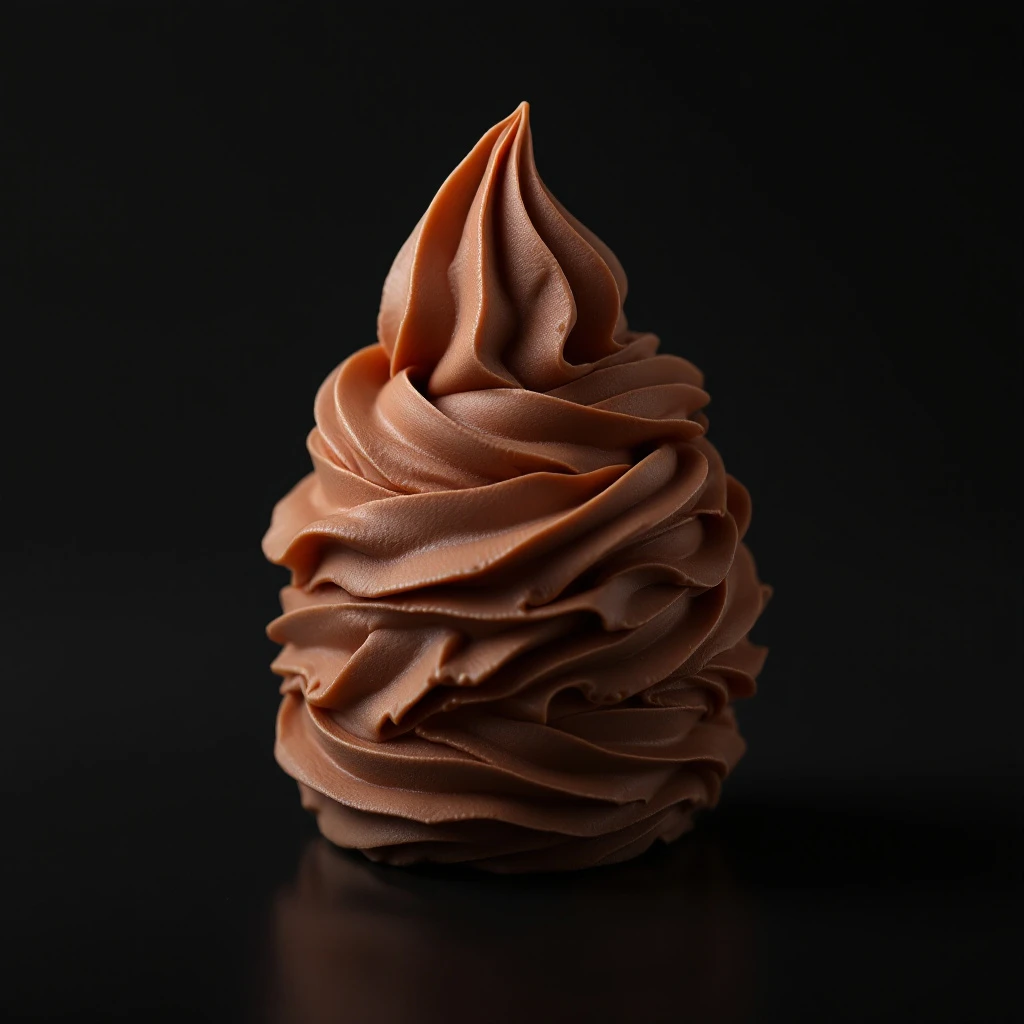
Character
How it smells
From Amazonian forests to perfumery's most beloved base note.
Despite driving over 30% of modern fragrances, tonka bean remains banned as a food ingredient in the United States.



Origin
Venezuela
The tonka bean entered European consciousness in 1793 when the cumaru fruit first reached French shores, immediately captivating the perfume houses of Paris with its sensual, vanilla-esque qualities. French perfumers quickly recognized its potential as a base note, and the ingredient became central to creating the Fougère family in the late nineteenth century, a fragrance classification that remains foundational to masculine perfumery.
When chemist Guillaume Nicolas Coulomb first isolated coumarin from the bean in 1820, perfumers gained access to its concentrated essence, enabling more precise formulation. Today, Venezuelan harvests supply much of the global demand, and the ingredient anchors over thirty percent of fragrances produced worldwide, testament to its enduring appeal across two centuries of perfumery.
Wears it best
Fragrances featuring Tonka Mousse
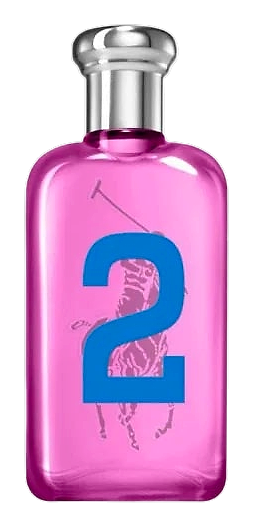
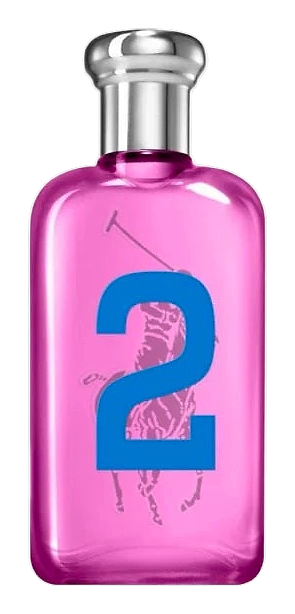
Brands
Brands known for Tonka Mousse
Good to know
Questions, answered
The essentials on Tonka Mousse in perfumery: how it smells, where it comes from, and how it behaves on skin.
What does tonka bean smell like?
Tonka bean smells sweet, warm, creamy, and powdery with distinct almond-like undertones. It functions as a base note in perfumery, providing long-lasting sweetness that anchors entire compositions.
Where does tonka bean originate?
Tonka bean comes from the Dipteryx odorata tree native to Central and South America, particularly Venezuela. These towering tropical trees grow throughout the Amazon basin.
How is coumarin obtained from tonka beans?
Seeds are harvested from the Dipteryx odorata tree, then carefully dried and soaked in rum for twelve to twenty-four hours before being dried again. This curing process allows coumarin crystals to form naturally within the seed.
Why is synthetic coumarin commonly used in perfumery?
Synthetic coumarin, first isolated in 1820 and commercially synthesized in 1868, is more cost-effective than natural tonka bean extract. Many commercial fragrances use the synthetic version for economic reasons.
Is tonka bean safe to use in fragrance products?
Tonka bean is banned as a food ingredient in the United States due to coumarin content. However, it remains widely used in perfumery and is considered safe in cosmetic applications when properly diluted.
What fragrance families feature tonka bean?
Tonka bean appears in over 30% of modern fragrances and forms the foundation of the Fougère family, which includes numerous masculine fragrances. It also appears in oriental and gourmand compositions.
Can tonka bean be used as a vanilla substitute?
Tonka bean has a vanilla-like aroma and was historically used as a flavoring ingredient. However, it remains prohibited as a food ingredient in the United States due to its coumarin content.
What gives tonka bean its characteristic scent?
The characteristic scent comes from coumarin, an aromatic compound that develops during the traditional rum-curing process of the beans. Natural tonka bean contains between 2-3% coumarin by weight.





