Textile
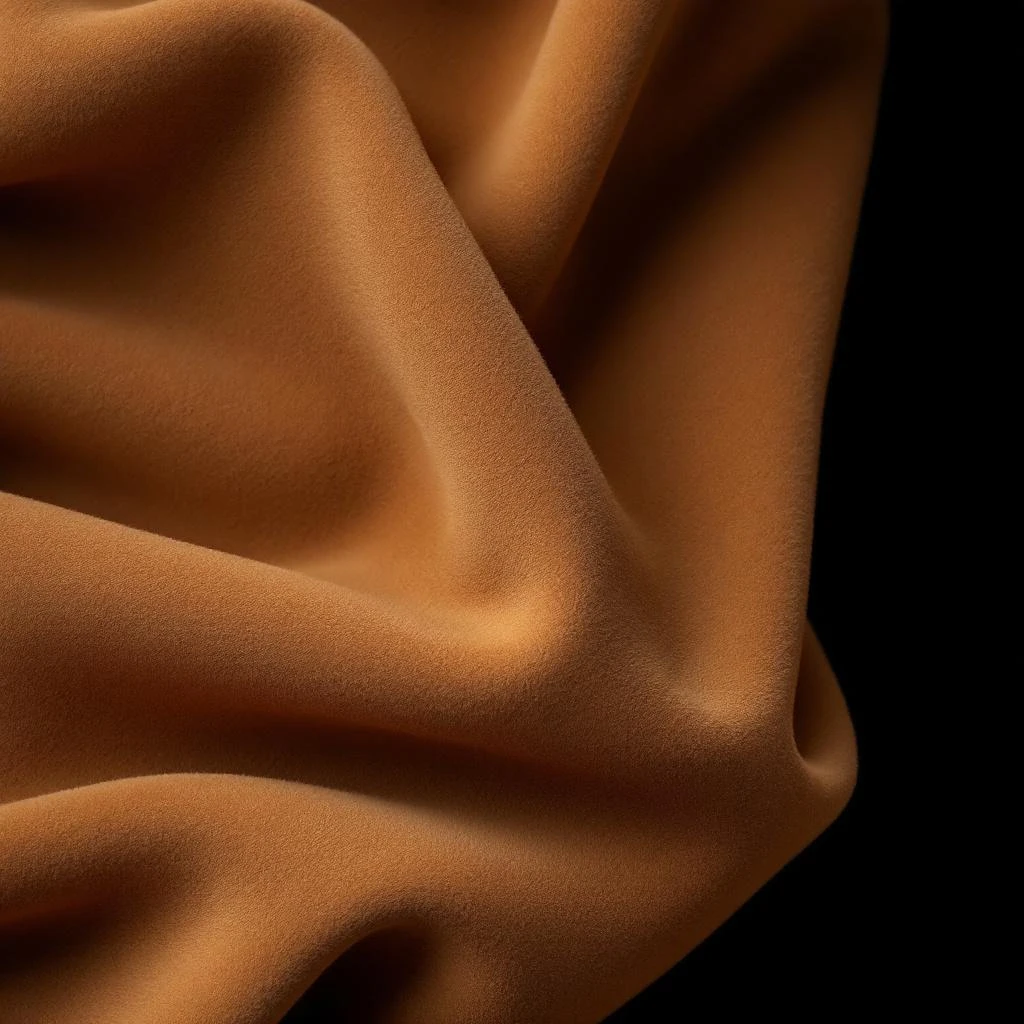
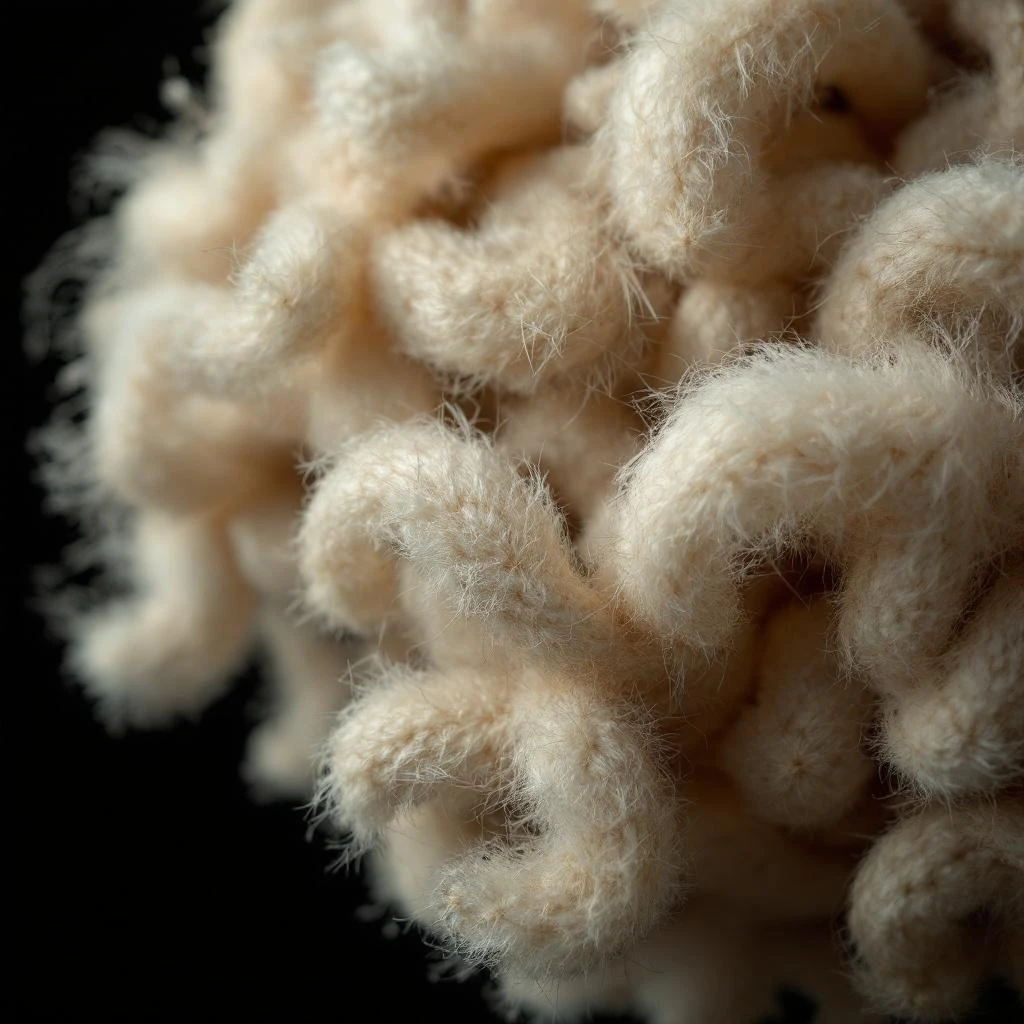
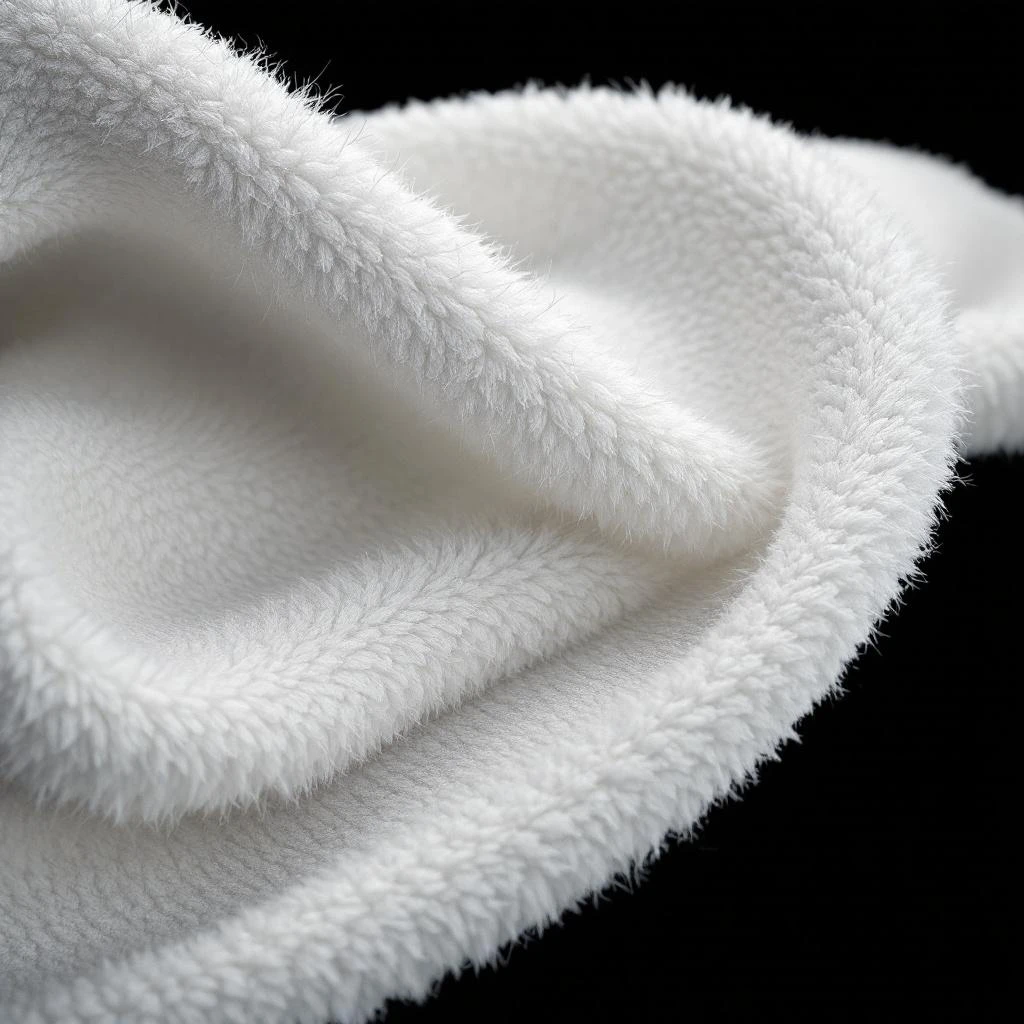
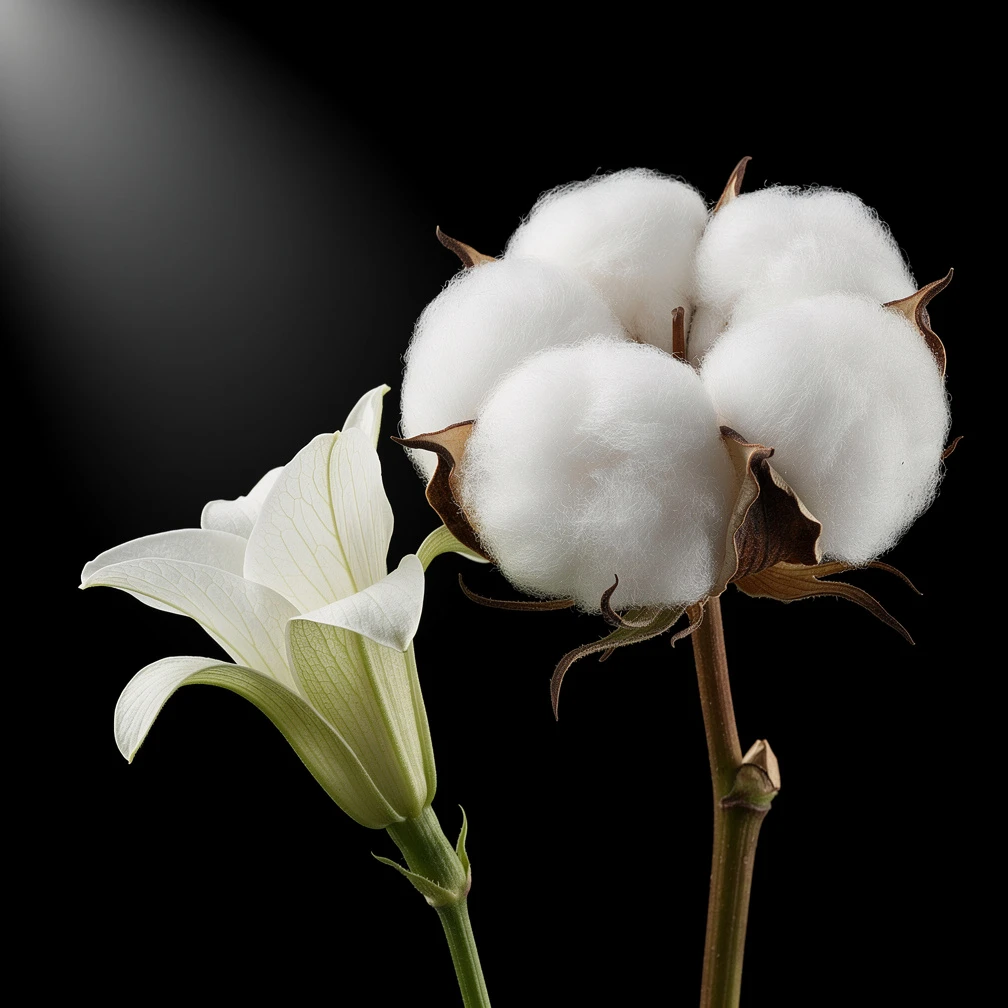
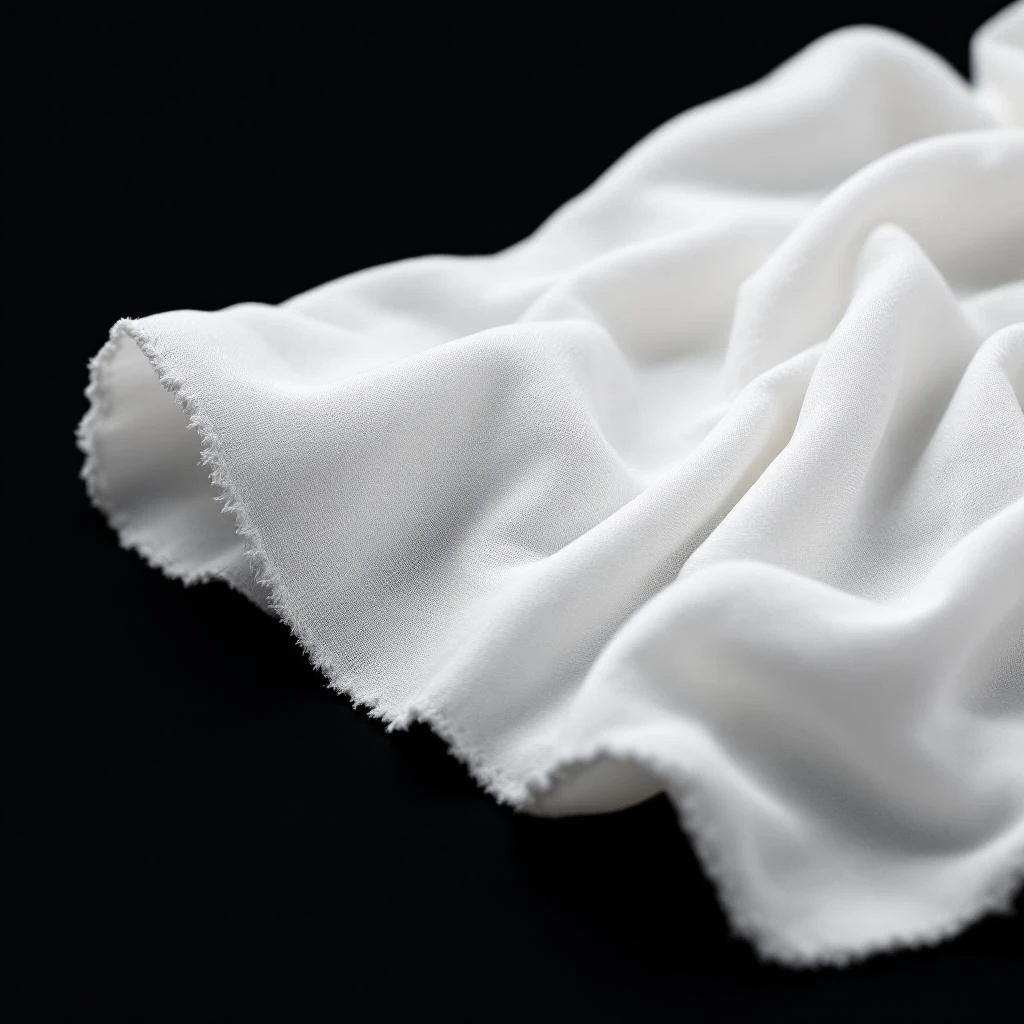
Textile captures the scent of freshly laundered fabric and clean linens. Modern perfumers recreate this familiar comfort through synthetic musks and ozonic molecules that evoke the sensation of fabric softener, sun-dried cotton, and crisp sheets.
Character
How it smells
The memory of clean fabric, bottled.
The word perfume derives from the Latin per fumum, meaning through smoke, but ancient perfumers equally infused fragrances into textiles as protective sachets.
Pairs beautifully with

Origin
France
Scenting textiles predates modern perfumery by millennia. Mesopotamian perfumers infused fabrics with aromatic oils around 2000 BCE, while Egyptians treated linen garments with fragrant resins for religious and social purposes.
Medieval Europeans used lavender sachets to preserve linens and repel insects, a practice that continued into the Victorian era. The industrial revolution brought mass-produced fabrics and a desire for consistent scent.
By the twentieth century, textile perfumery had become a distinct discipline, with specialized compounds designed to survive washing and wear. Today, textile accords honor this heritage while serving contemporary preferences for clean, minimal fragrance profiles.
Wears it best
Fragrances featuring Textile

Brands
Brands known for Textile
Good to know
Questions, answered
The essentials on Textile in perfumery: how it smells, where it comes from, and how it behaves on skin.
What does the Textile note smell like?
Textile notes smell like freshly washed fabric, combining clean ozonic freshness with soft musks and a hint of warmth reminiscent of sun-dried linens.
Is Textile a natural or synthetic ingredient?
Textile is almost always synthetic. Perfumers combine molecules like galaxolide, calone, and cashmeran to create accords that mimic clean fabric scents.
When did perfumers start creating Textile accords?
Synthetic textile accords emerged in the 1970s alongside advances in aromatic chemistry, though scenting textiles themselves dates back over 4,000 years.
What fragrance families use Textile notes?
Clean fragrance families like musks, florals, and modern aquatic scents frequently incorporate textile accords to enhance their fresh, laundry-like qualities.
Can Textile notes be found in natural perfumery?
Natural perfumers achieve textile-like effects using lavender, cedarwood, and musks from natural sources, though these lack the precision of synthetic recreations.
How long do Textile notes last on skin?
Musks commonly used in textile accords provide excellent longevity, with scents typically lasting 6-8 hours depending on concentration and skin chemistry.
What molecules create the ozonic quality in Textile notes?
Calone 1951 is the primary molecule creating ozonic, water-like freshness in textile accords, first commercialized by Pfizer in the 1980s.
Are Textile notes used in fine fragrance or only functional products?
Textile concepts appear in both luxury fine fragrances and functional laundry products, though the synthetic combinations differ significantly in quality and complexity.