Rubber Sole
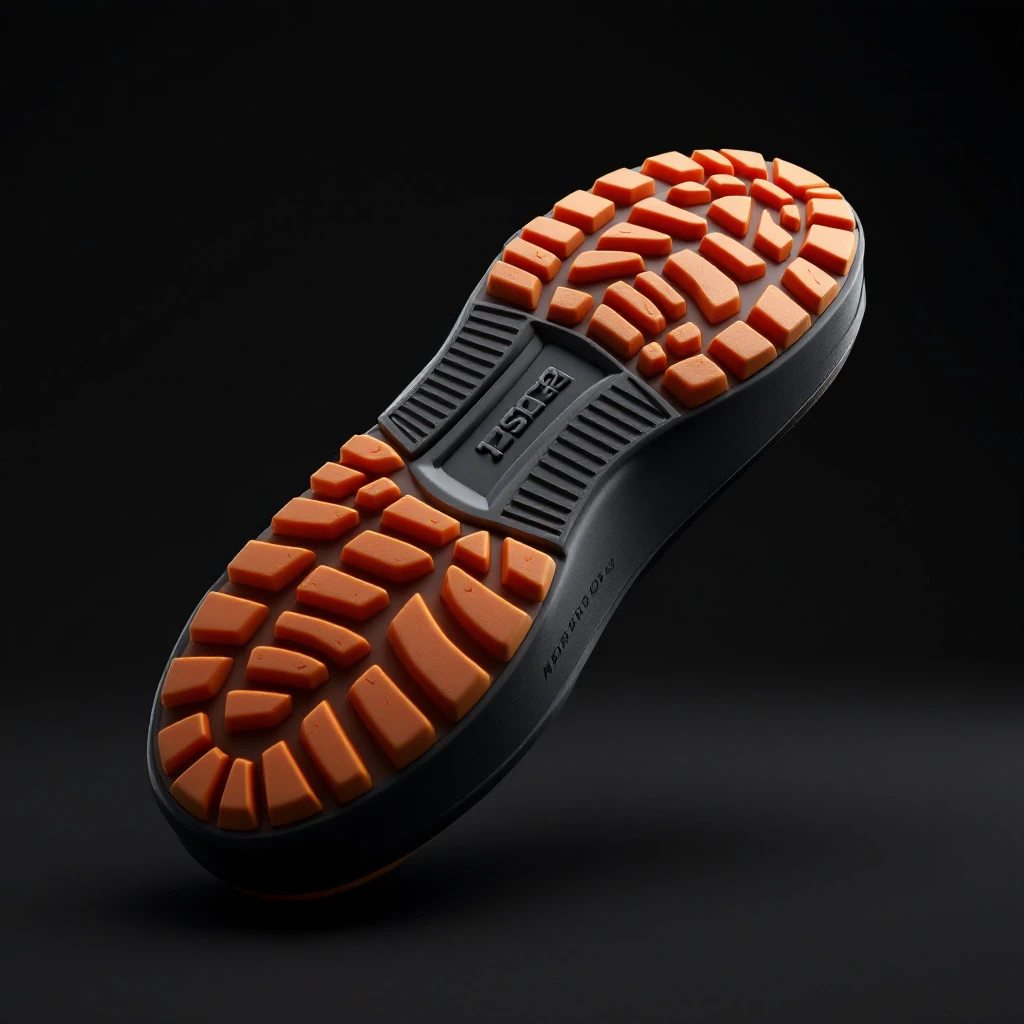
Rubber sole is a synthetic accord capturing the warm, sulfurous scent of warm vulcanized rubber. Think of the inside of a well-worn boot or the grip of a sneaker heel against pavement: smoky, elastic, faintly mineral.
Character
How it smells
The squeak and scorch of warm rubber.
The rubber note entered mainstream perfumery after chemists studied the pyrolysis of vulcanized footwear, isolating molecules like 2,3-dimethyl-2-butene as key smell contributors.
Pairs beautifully with
Origin
France
Rubber as a scent has circulated far longer than its presence in modern perfumery suggests. The Mayans of Mesoamerica burned latex from Castilla elastica in ceremonial fires as early as 1600 BCE, producing a distinctive acrid smoke.
Charles Goodyear's 1839 vulcanization patent in the United States reshaped industry globally and inadvertently created the aromatic profile perfumers chase today: heated rubber curing releases sulfur compounds and polycyclic aromatics that became the template for the modern note. The scent of tennis shoe soles, tire treads, and factory floors entered artistic awareness during the twentieth century as urban living grew louder and more synthetic.
By the 1990s, niche perfumers began isolating these industrial odors as compositional tools. The note gained wider visibility when trendsetting releases in the 2010s paired rubber accords with iris and leather, cementing a once-undesirable smell as a deliberate creative choice in contemporary fragrance.
Wears it best
Fragrances featuring Rubber Sole

Brands
Brands known for Rubber Sole
Good to know
Questions, answered
The essentials on Rubber Sole in perfumery: how it smells, where it comes from, and how it behaves on skin.
What does rubber sole smell like in perfume?
Rubber sole smells like warm, slightly sulfurous vulcanized rubber, with smoky and faintly metallic undertones. In perfumery the note is rebuilt synthetically because no natural source replicates the characteristic scorched-elastic scent of heated shoe soles.
Is rubber sole a natural ingredient?
Rubber sole is not a natural perfumery ingredient. It is a constructed accord built from synthetic aroma chemicals, since genuine vulcanized rubber cannot be distilled or cold-pressed into a usable fragrance material.
Why do perfumers use rubber notes?
Perfumers use rubber notes to add texture, an industrial edge, and a contemporary urban character to compositions. The accord grounds lighter florals and gives woody or leather compositions a distinctive tactile impression.
What chemicals create the rubber scent?
The rubber scent comes mainly from sulfur-containing thiazoles, alkyl pyrazines, and charred hydrocarbons like guaiene. These molecules are the same ones released during vulcanization when natural rubber is heated with sulfur.
When was the rubber note first used in perfumery?
The rubber note entered niche perfumery in the 1990s and reached wider audiences around 2015. Its rise paralleled a growing artistic interest in industrial and urban smells as legitimate composition material.
Is rubber sole similar to leather or tar notes?
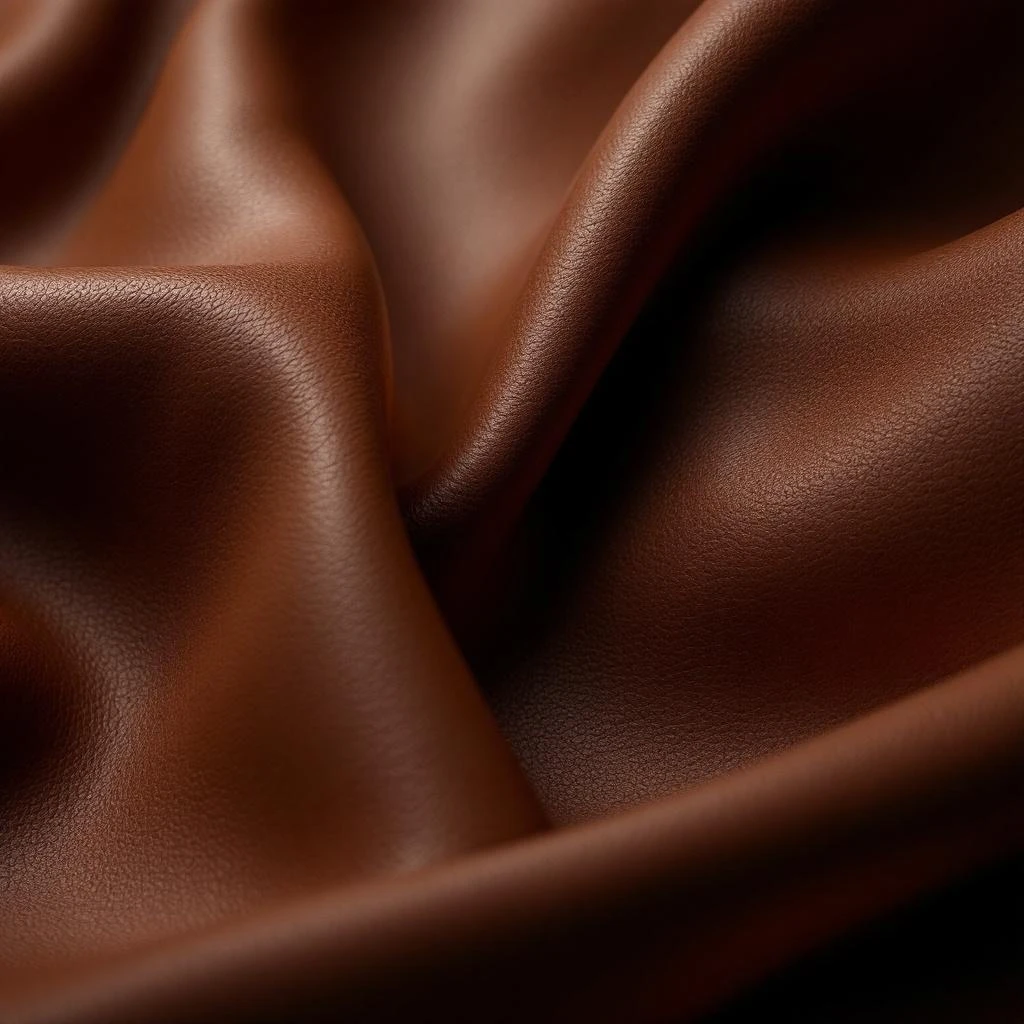
Rubber sole shares smoky, charred qualities with birch tar but is drier and more elastic than leather. Leather reads animal and fatty, while rubber reads synthetic, mineral, and faintly sulfurous.
Can rubber sole be made sustainably?
Biotech labs now produce rubber scent molecules through fermentation of Hevea latex proteins processed under controlled heat. This approach avoids petrochemical precursors and the industrial by-products of tire pyrolysis.
What fragrance families pair well with rubber?
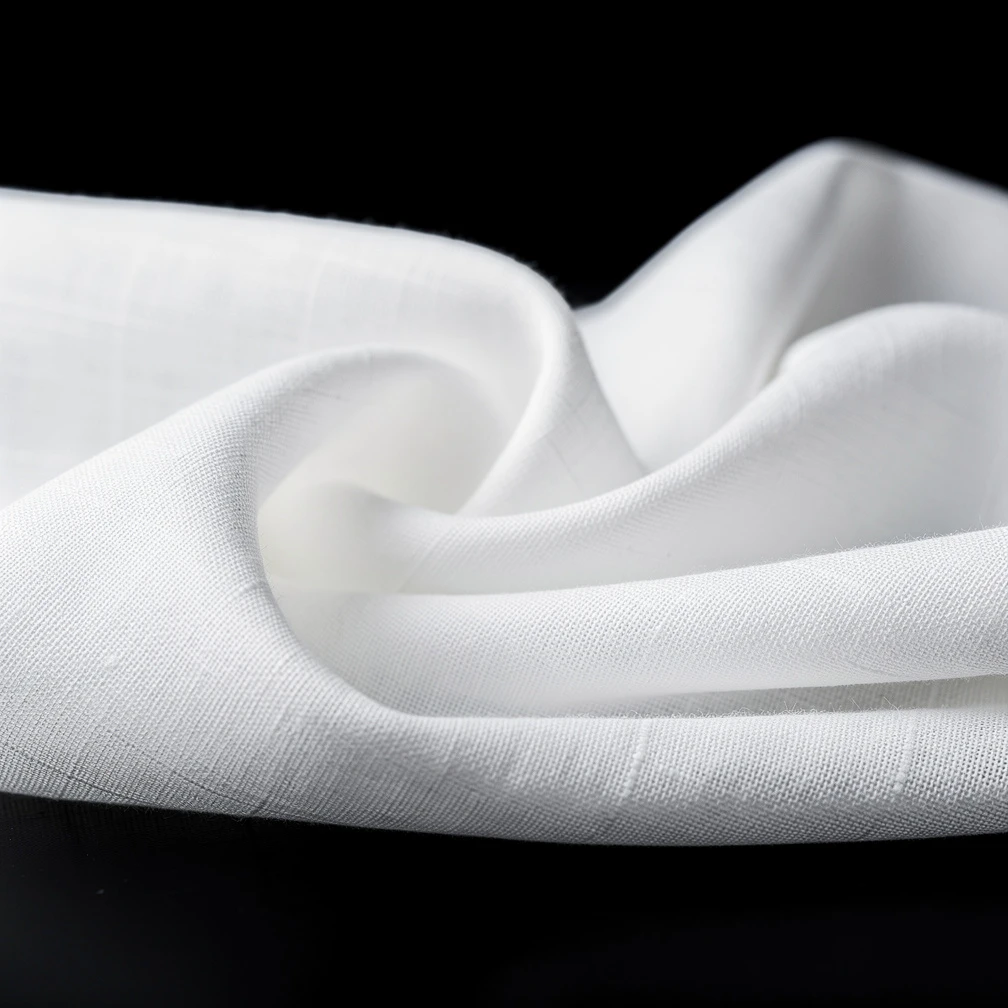
Rubber pairs well with woody, leather, and aromatic green families, and it offers an interesting counterweight to delicate iris, violet, or ozonic accords. The contrast between industrial base and translucent top notes creates striking compositions.