Terranol
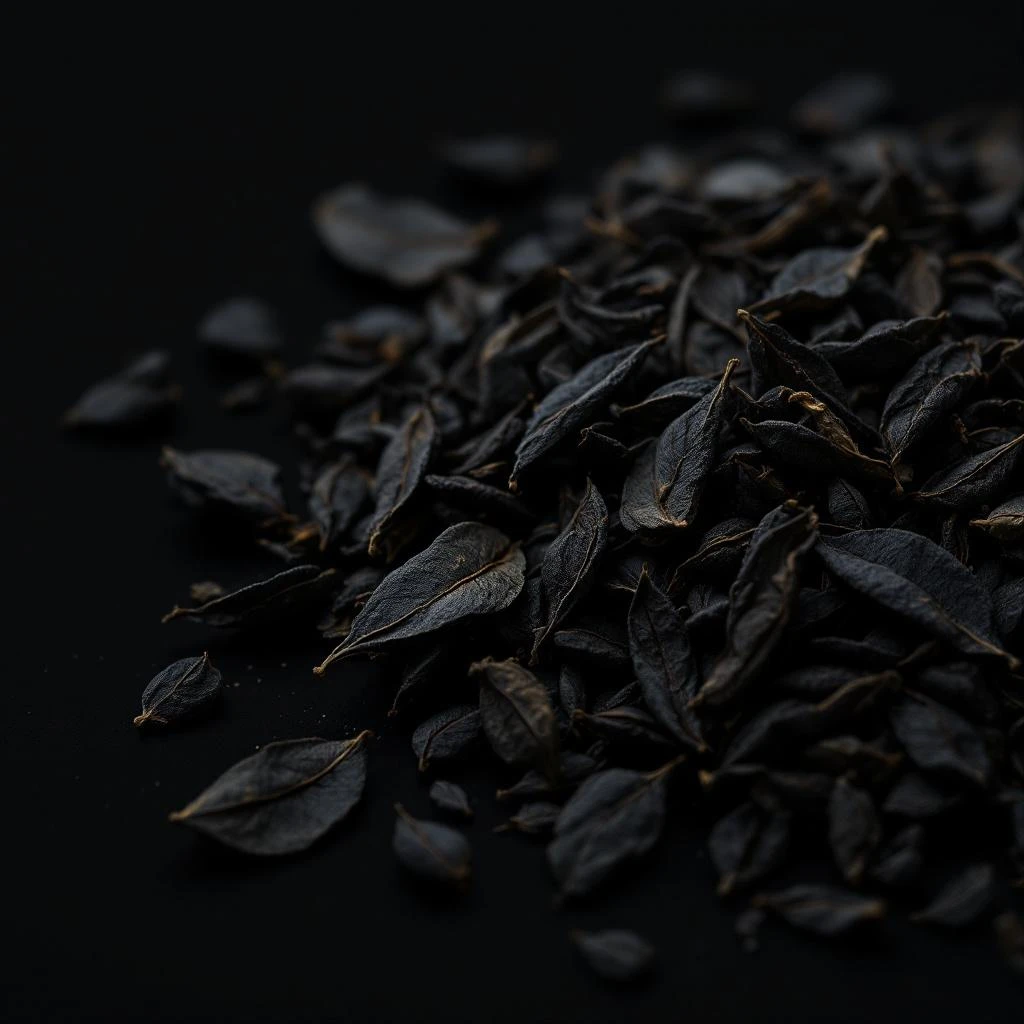
Terranol is a synthetic aromatic ingredient that captures the primal essence of rain-soaked earth, bringing a grounding, mineral-rich depth to modern fragrance compositions.

Character
How it smells
The scent of ancient soil, bottled.
Terranol mimics the volatile compounds released by soil bacteria after rainfall, recreating that intoxicating petrichor effect in perfume form.


Origin
Switzerland
The development of Terranol represents a significant milestone in the evolution of modern perfumery, emerging from the fragrance industry's ongoing quest to capture nature's most elusive scents. While traditional perfumery relied on natural botanicals and animal-derived materials, the 20th century ushered in an era of molecular innovation. Terranol specifically addresses a scent category that has fascinated humans throughout history: the earthy, living smell of fertile soil.
Ancient civilizations valued similar aromatic experiences, often associated with fertility rituals and earth-based spiritual practices. Today, Terranol allows contemporary perfumers to evoke that primal connection to the earth without the environmental concerns associated with harvesting natural soil extracts.
Wears it best
Fragrances featuring Terranol

Brands
Brands known for Terranol
Good to know
Questions, answered
The essentials on Terranol in perfumery: how it smells, where it comes from, and how it behaves on skin.
What does Terranol smell like?
Terranol delivers an earthy, mineral-rich aroma reminiscent of damp soil and wet stone. It adds a grounding, organic quality that brings natural depth to fragrances.
Is Terranol natural or synthetic?
Terranol is entirely synthetic, created through controlled chemical synthesis to replicate specific earthy aroma compounds found in nature.
What fragrances use Terranol?
Terranol appears primarily in modern designer and niche fragrances, particularly those aiming for natural, earthy, or atmospheric scent profiles.
Does Terranol have fixative properties?
While not a primary fixative, Terranol contributes to fragrance longevity by adding a persistent earthy base note that anchors lighter top ingredients.
Can Terranol be used in natural perfumery?
Most natural perfumery certifications exclude synthetically produced ingredients like Terranol, restricting its use to conventional fragrance formulations.
Is Terranol safe for skin application?
When produced according to IFRA standards, Terranol meets safety requirements for cosmetic and perfume applications at recommended concentration levels.
How does Terranol differ from natural geosmin?
Terranol offers a cleaner, more controlled earthy note than natural geosmin, which can sometimes smell excessively musty or stale at high concentrations.
What fragrance families pair well with Terranol?
Terranol complements woody, chypre, fougere, and atmospheric fragrance families, adding an authentic earth quality to these compositions.