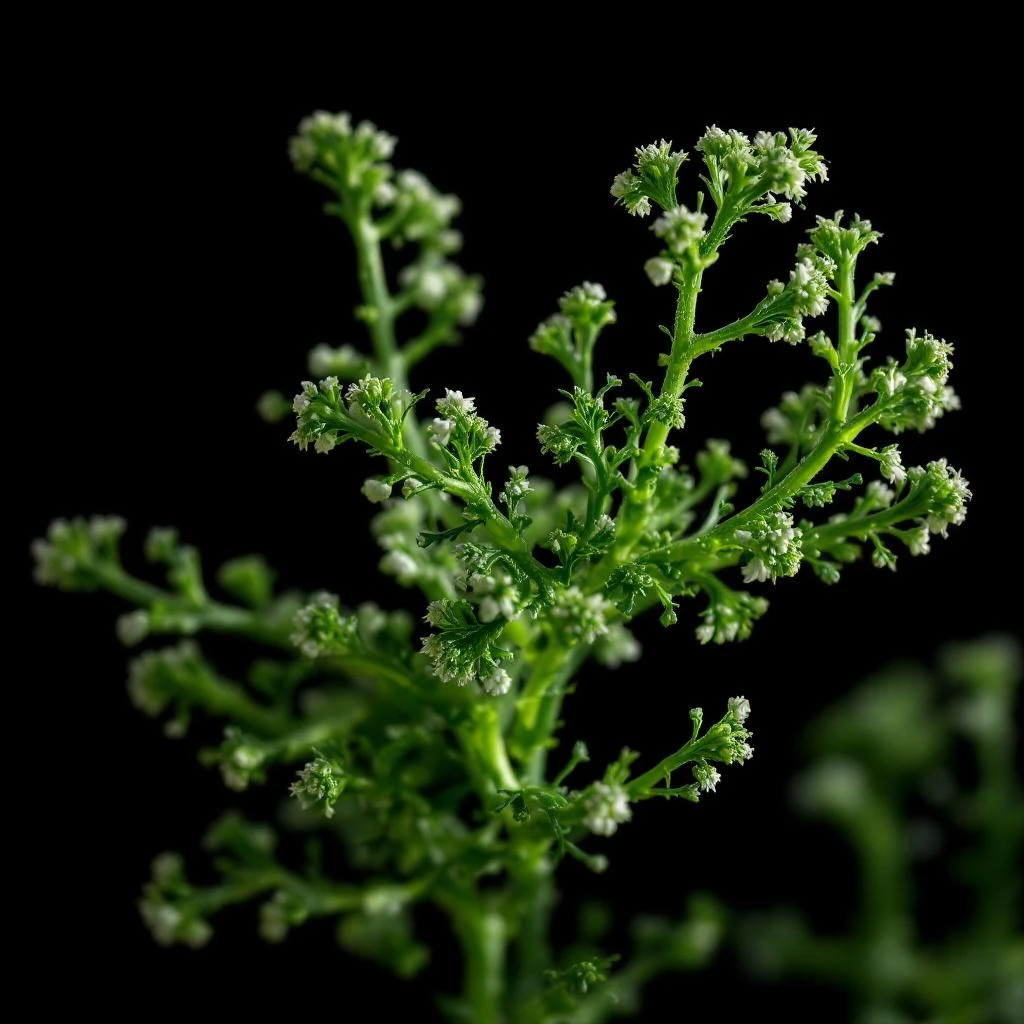
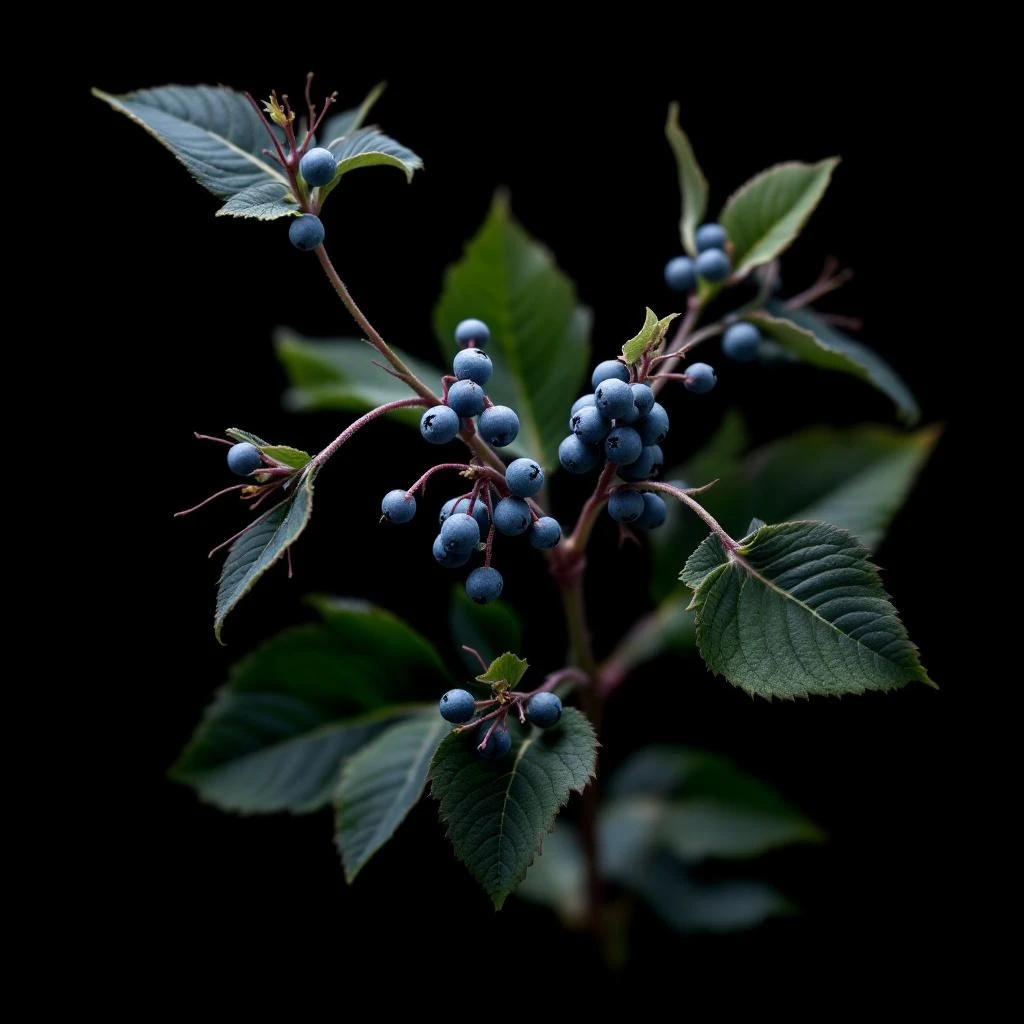
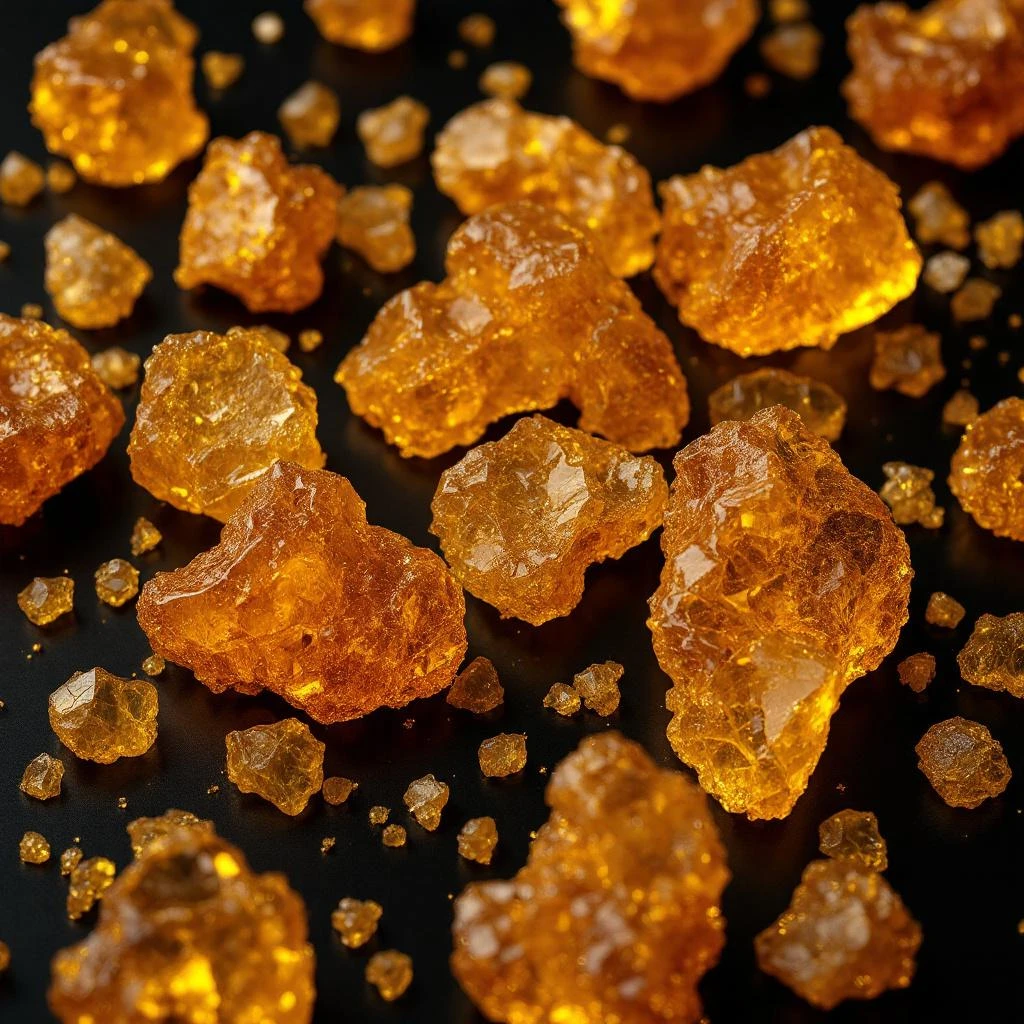
Teak Resin
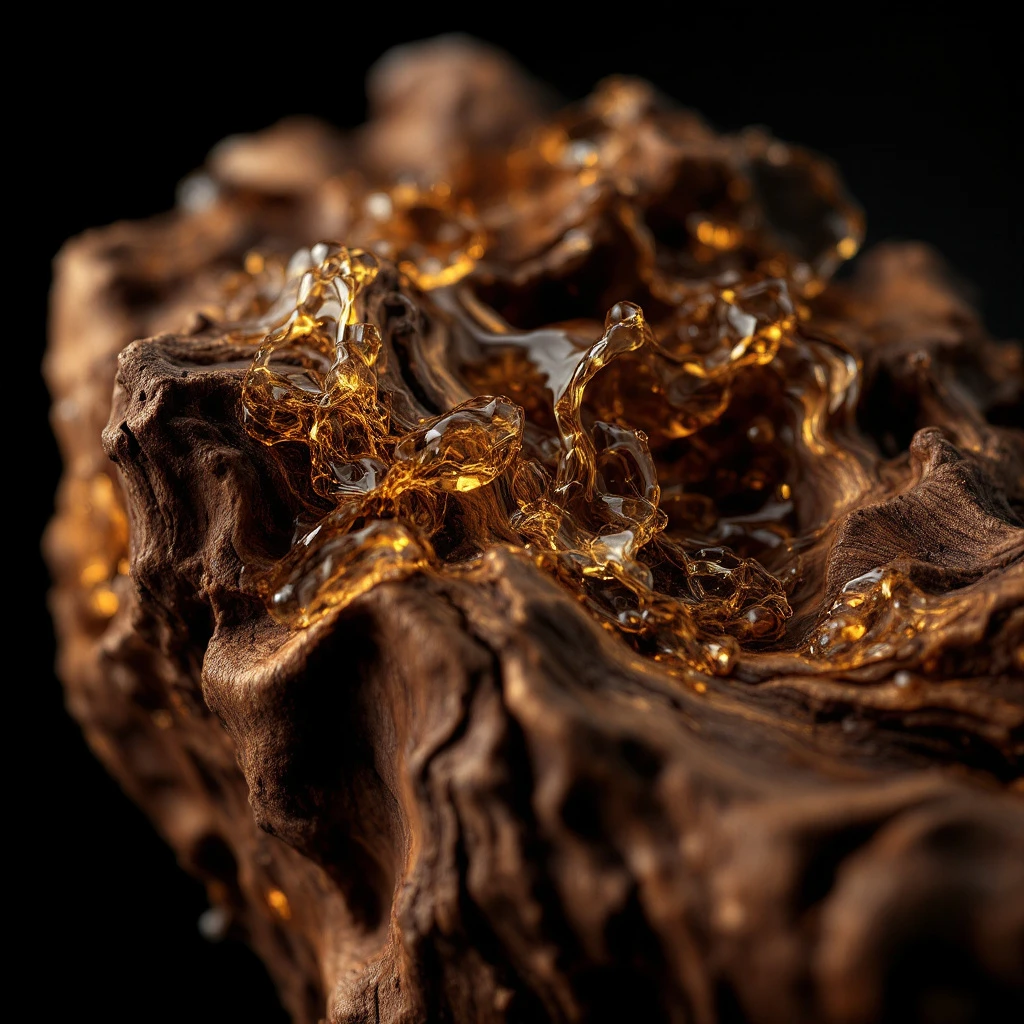
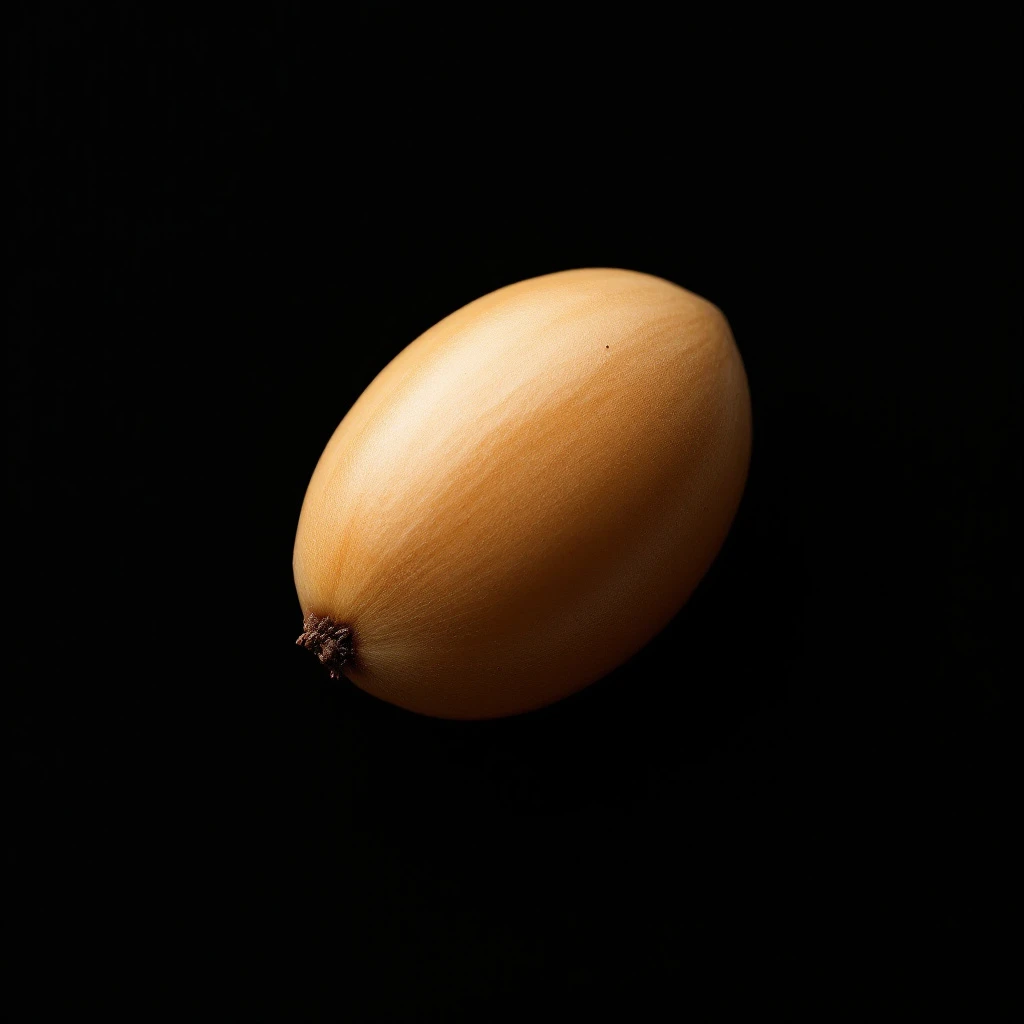
Teak resin captures the deep, warm soul of one of the world's most prized hardwoods. Its rich, woody aroma carries undertones of vanilla and leather, creating a grounding presence that anchors compositions with natural authority.
Character
How it smells
Ancient hardwood, enduring warmth
Tectona grandis trees can live for over 100 years, developing increasingly aromatic heartwood that perfumers treasure for its complexity.
Pairs beautifully with



Origin
Myanmar
The use of aromatic resins traces back to ancient Mesopotamia, where priests and royals burned fragrant resins during rituals to create sacred connections with their gods. Egyptian traditions expanded this practice, incorporating resins into religious ceremonies and burial rituals. Tectona grandis, native to South and Southeast Asia, became one of the most valued construction timbers in human history.
Ancient Indians recognized teak's exceptional durability, using it for shipbuilding and royal architecture. While frankincense and myrrh dominated ancient perfume trade routes, the woody resins from prized hardwoods shared a similar olfactory heritage passed down through generations of craftspeople. Today, teak resin carries that ancient lineage into modern perfumery, offering a bridge between centuries-old traditions and contemporary fragrance creation.
The material embodies humanity's enduring appreciation for the aromatic gifts hidden within the natural world, a sensory inheritance that continues to shape how we create and experience scent.
Wears it best
Fragrances featuring Teak Resin
Brands
Brands known for Teak Resin
Good to know
Questions, answered
The essentials on Teak Resin in perfumery: how it smells, where it comes from, and how it behaves on skin.
What does teak resin smell like?
Teak resin offers a warm, woody aroma with balsamic sweetness and subtle musky undertones. It combines dry wood character with hints of vanilla and leather, creating a rich, grounding effect in fragrance compositions.
Is teak resin natural or synthetic?
Natural teak resin is extracted from the heartwood of Tectona grandis trees using solvent extraction. Sustainable sourcing is important, as teak requires decades to develop its characteristic aromatic density.
What extraction method produces teak resin?
Solvent extraction captures the aromatic compounds from aged teak heartwood. The process yields a concentrated resinoid with strong fixative properties, suitable for anchoring fragrance compositions.
Where does teak resin originate?
Tectona grandis is native to South and Southeast Asia, with primary cultivation in Myanmar, India, and Indonesia. These tropical regions provide the conditions necessary for teak to develop its dense, aromatic wood.
How is teak resin used in perfumery?
Teak resin functions primarily as a base note and fixative in fragrance formulations. Its warm woody character blends well with oriental and woody fragrance families, adding depth and longevity to compositions.
What parts of the teak tree produce the resin?
The resin is extracted from the heartwood and natural resinous deposits within mature Tectona grandis trees. Older trees produce more aromatic heartwood, making mature specimens particularly valuable for extraction.
Does teak resin contain any allergens?
Like many natural resin materials, teak resin may contain naturally occurring compounds that should be disclosed according to IFRA regulations. Perfumers evaluate each material for skin safety before formulation.
What makes teak resin different from other wood notes?
Teak resin combines traditional woody depth with unusual balsamic sweetness and leather-like undertones. Its exceptional fixative strength helps preserve lighter notes in a composition, providing lasting trail and depth.