Tea Tree Oil
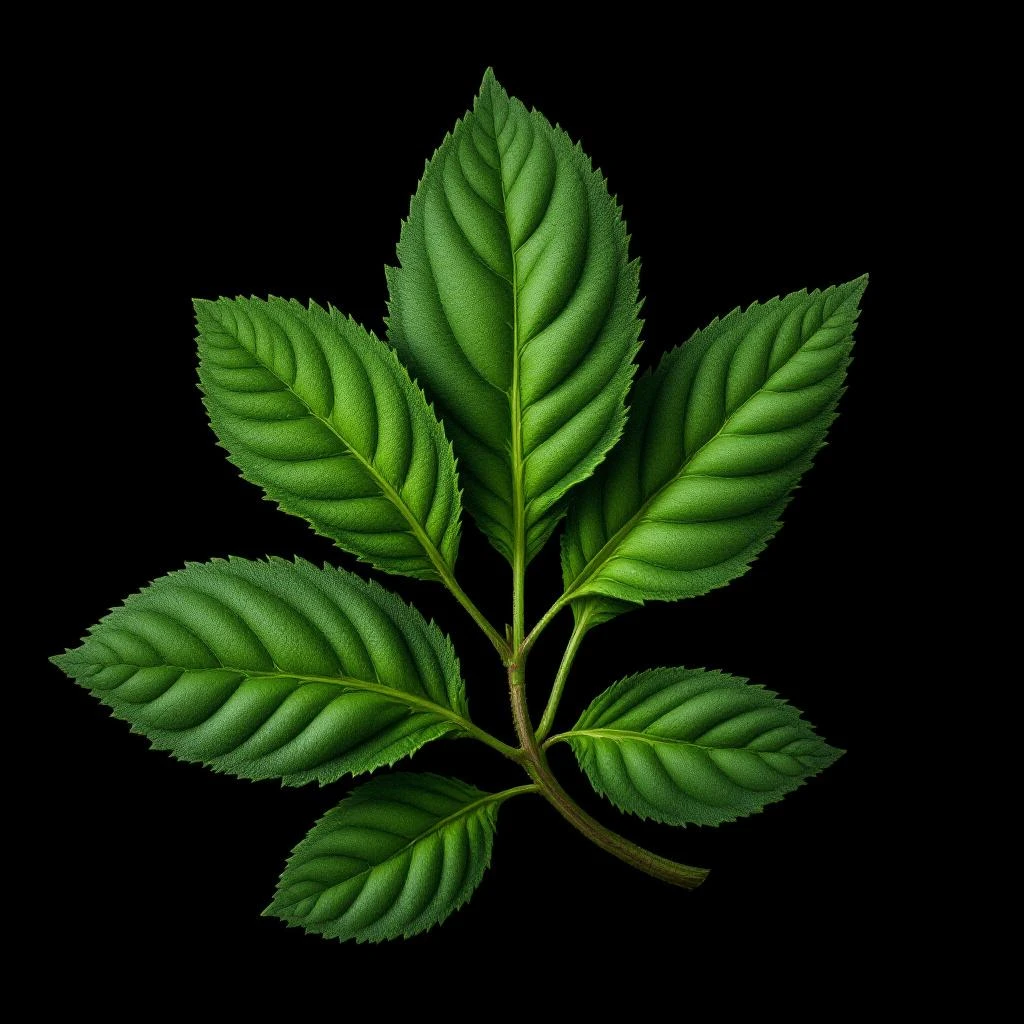
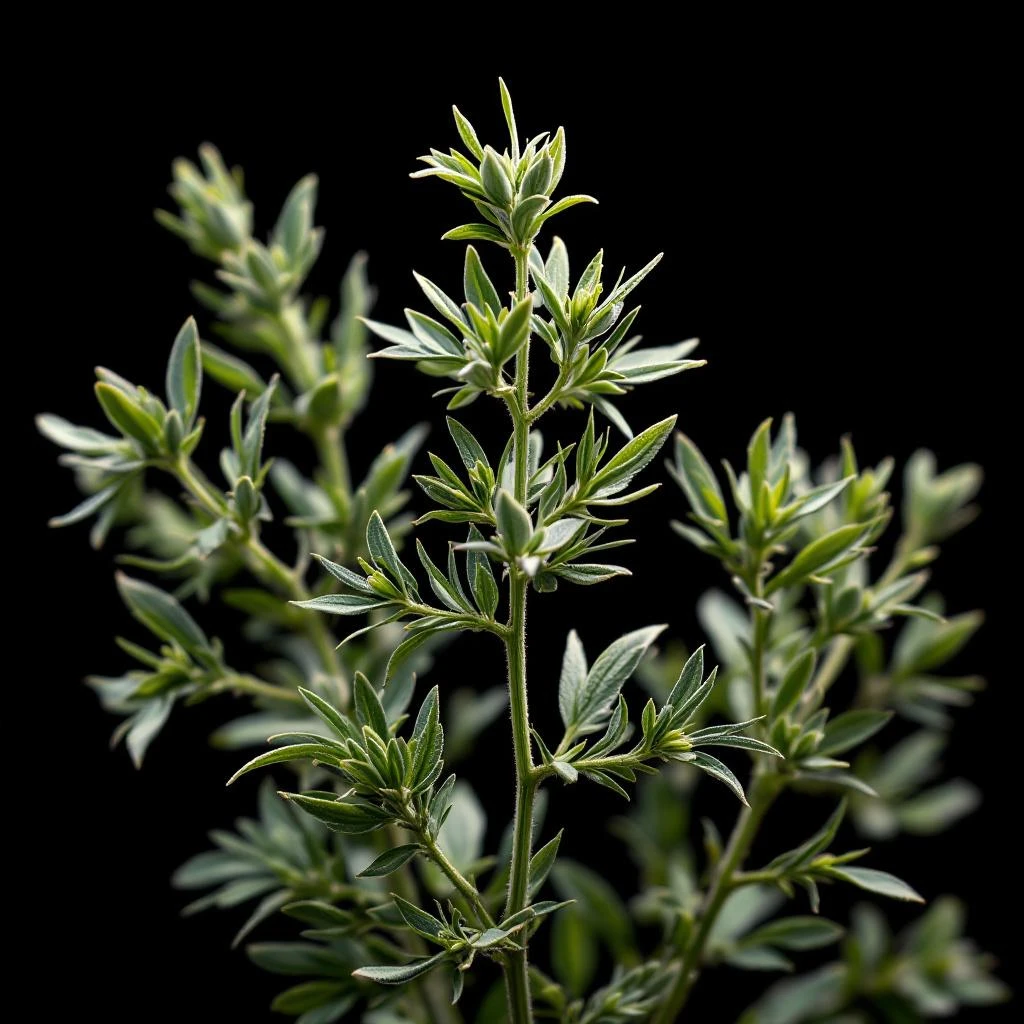
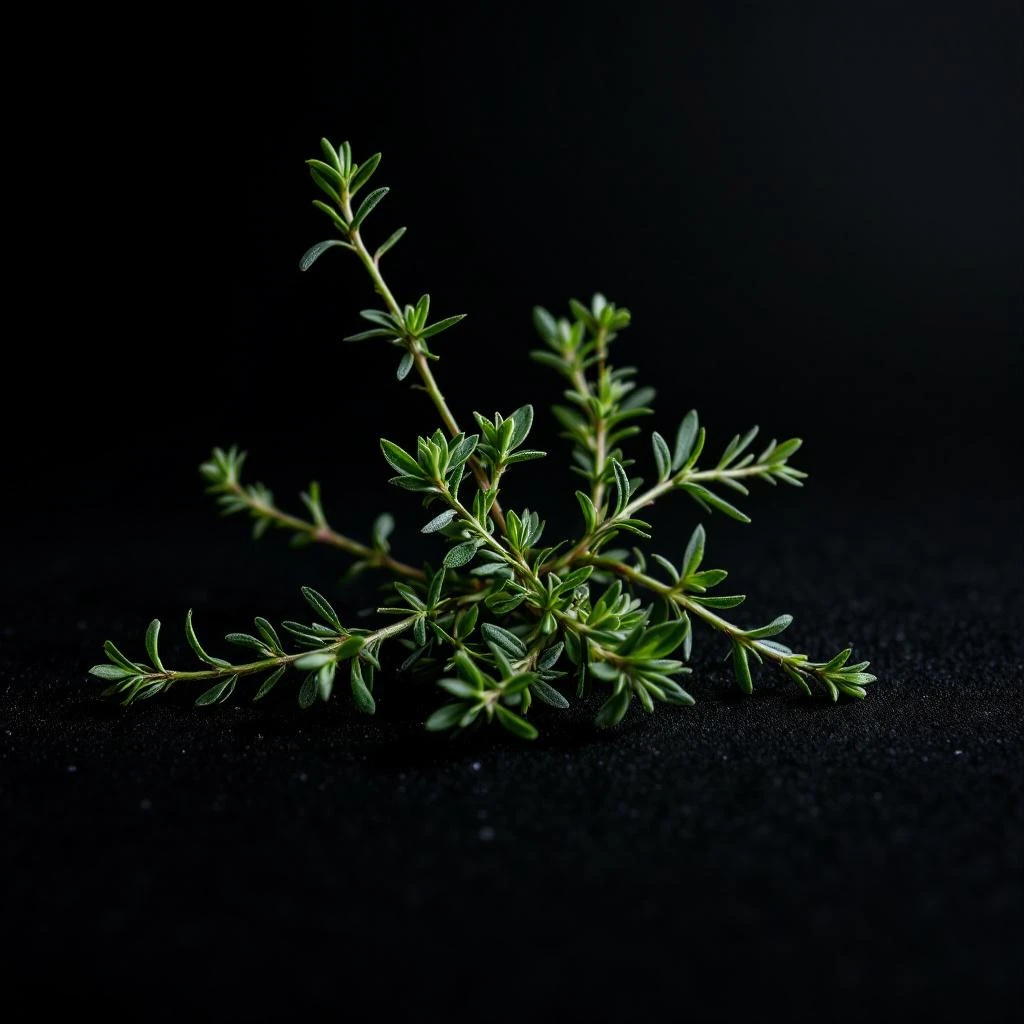
Steam-distilled from the leaves of Melaleuca alternifolia, tea tree oil delivers a sharp, medicinal freshness that cuts through compositions with clinical precision and crisp, camphorated clarity.
Character
How it smells
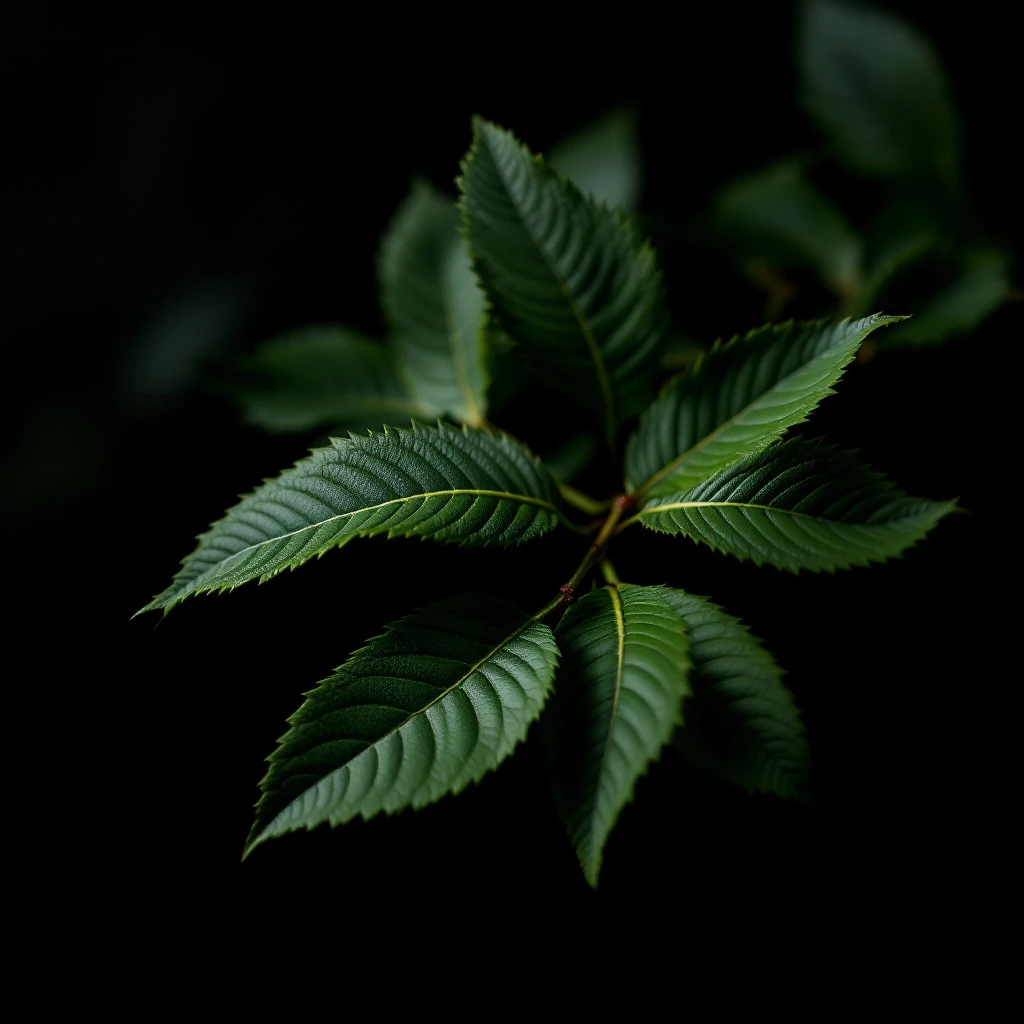
Sharp, medicinal freshness with antiseptic clarity.
Despite its common name, the Australian tea tree shares no relation to the tea plant. Aboriginal Australians called it the 'healing tree' for centuries before Western science confirmed its antimicrobial properties.

Origin
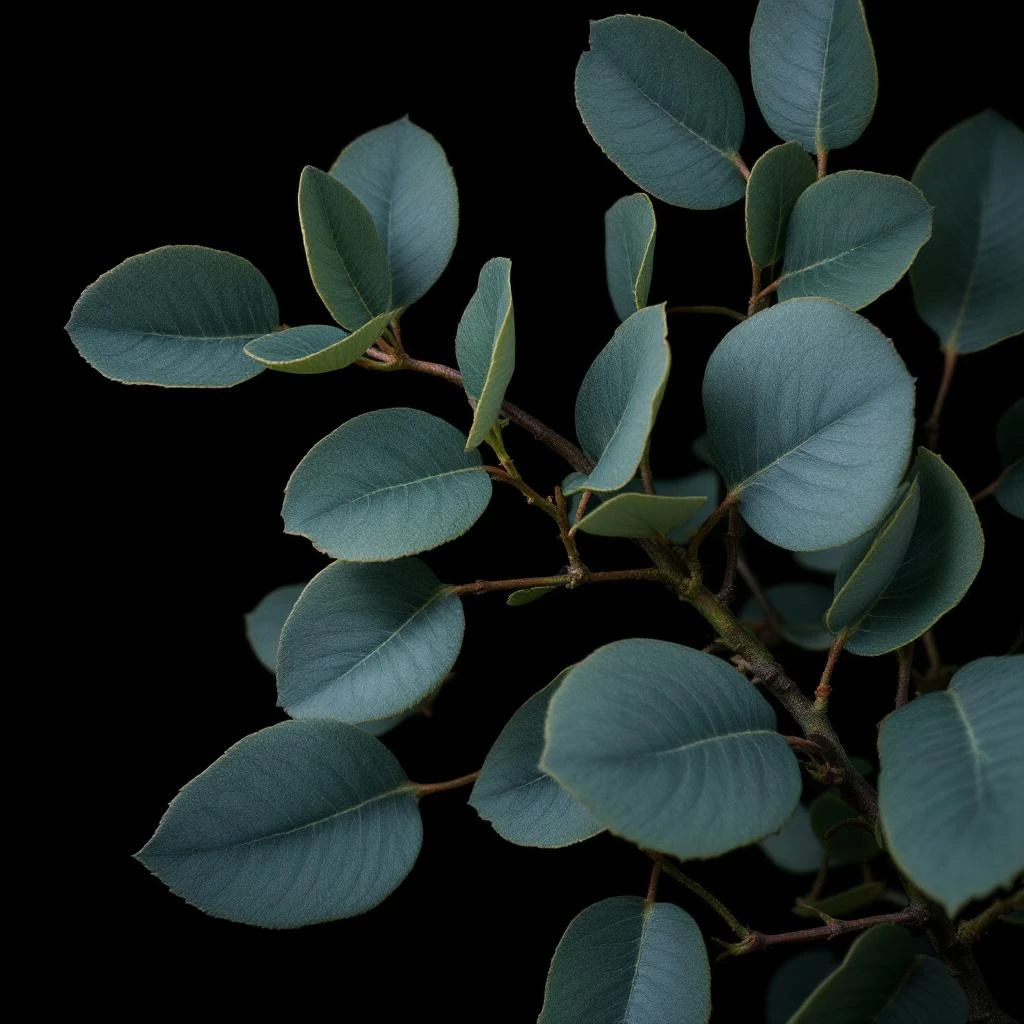
Australia
Australian Aboriginal peoples used tea tree leaves in poultices and infusions for thousands of years, treating wounds, infections, and skin conditions with remarkable success. Captain James Cook and his crew encountered the plant during their 1770 voyage, brewing an aromatic tea from its leaves, which inspired the common English name despite having no relation to the beverage plant.
Commercial essential oil production did not begin until the 1920s, when Australian entrepreneur Arthur Penfold published pioneering research demonstrating the oil's powerful antiseptic properties. His findings sparked a distillation industry in New South Wales that supplied medical professionals worldwide.
During World War II, Australian soldiers carried tea tree oil in their first aid kits. The fragrance industry later adopted the material for its distinctive sharp profile, using it to add crispness and medicinal depth to masculine, herbal, and spa-themed compositions.
Wears it best
Fragrances featuring Tea Tree Oil
Brands
Brands known for Tea Tree Oil
Good to know
Questions, answered
The essentials on Tea Tree Oil in perfumery: how it smells, where it comes from, and how it behaves on skin.
What does tea tree oil smell like in perfumery?
Tea tree oil has a sharp, medicinal aroma with strong camphor and eucalyptus top notes. The scent is clean, crisp, and slightly green, evoking clinical freshness without sweetness.
Is tea tree oil used as a fragrance or a preservative in perfumes?
Tea tree oil functions as both. It adds distinctive aromatic character while contributing natural antimicrobial properties that help extend the shelf life of fragrance formulations.
Can tea tree oil cause skin irritation when used in fragrance?
Undiluted tea tree oil can cause sensitization in some individuals. At standard perfumery concentrations (typically under 1%), it is generally well tolerated, though patch testing is advisable for sensitive skin.
Which fragrance families commonly use tea tree oil?
Tea tree oil appears most often in aromatic, fougere, and spa-themed masculine compositions. It also shows up in natural perfumery and therapeutic fragrances seeking herbal, medicinal depth.
How does tea tree oil differ from eucalyptus oil?
Both share camphoraceous freshness, but tea tree oil is sharper with a more medicinal, terpy quality. Eucalyptus oil is sweeter and more、冰凉 (cooling) in comparison.
Is tea tree oil safe for use in candles and home fragrances?
Tea tree oil is commonly used in candles and room sprays for its purifying associations and fresh scent. Proper dilution guidelines apply to ensure safe combustion and inhalation.
Why is Australian tea tree oil considered superior to other sources?
Melaleuca alternifolia grown in Australia's New South Wales wetlands contains the highest concentration of terpinen-4-ol, the compound primarily responsible for its characteristic aroma and antimicrobial activity.
Does tea tree oil blend well with other fragrance ingredients?
Tea tree oil pairs well with rosemary, lavender, citrus, and conifer notes. Its sharp character grounds lighter florals and adds structure to herbal and aromatic bases.