Australian white sandalwood
Australian white sandalwood, sourced from Santalum spicatum native to Western Australia, delivers creamy, soft-woodsy warmth with subtle lactonic and powdery facets. As the fragrance industry shifts away from threatened Indian sources, Australian sandalwood has become the primary sustainable choice for perfumers worldwide.
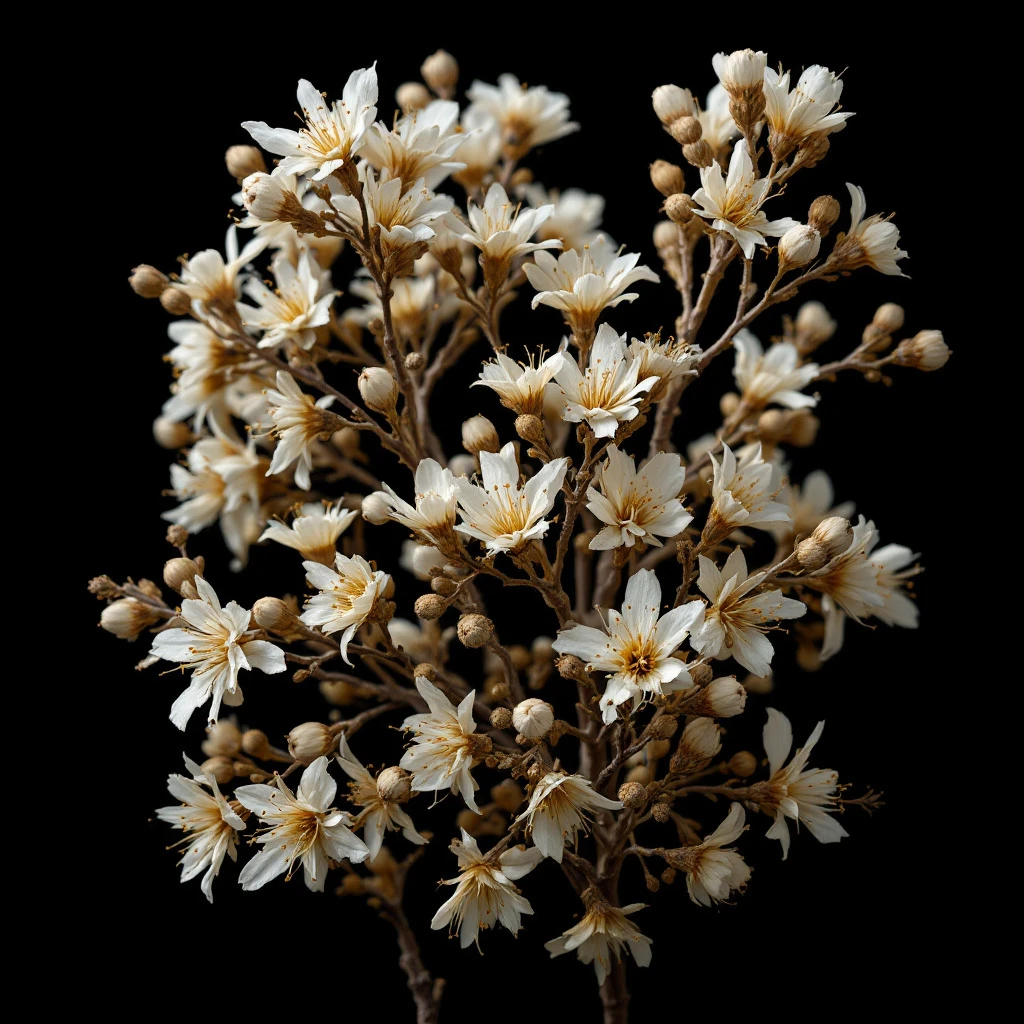
Character
How it smells
Creamy, warm wood from the Western Australian outback
Australian sandalwood has been used for over 4000 years, but its essential oil production only shifted here after stricter Indian export regulations in recent decades.






Origin
Australia
Australian sandalwood carries a legacy stretching back 4000 years, though its role in global perfumery is relatively recent. Santalum spicatum grew wild across the Western Australian interior for millennia, used traditionally by Aboriginal communities for medicinal and ceremonial purposes.
European fragrance houses initially relied on Indian Santalum album from Mysore, historically commanding imperial prestige. As Indian export restrictions tightened and wild populations faced depletion, the Australian species gained prominence.
By the mid-twentieth century, Australian sandalwood oil production became the world's primary source, supplying European fragrance houses through regulated harvesting under the Western Australian Sandalwood Control Act established in 1929. Today, Australian sandalwood represents a bridge between ancient olfactory traditions and modern sustainable perfumery.
Wears it best
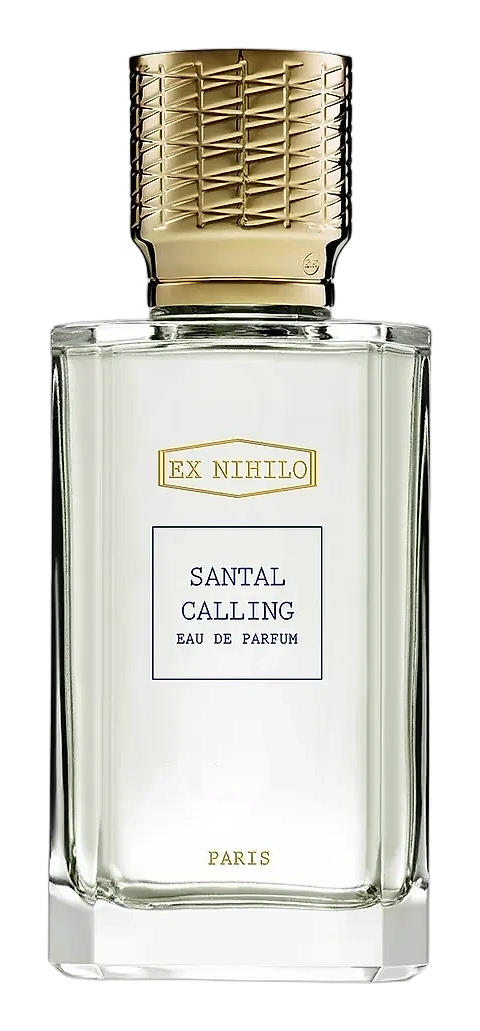
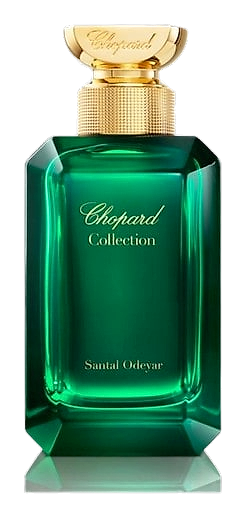
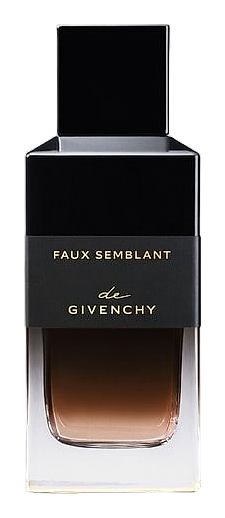
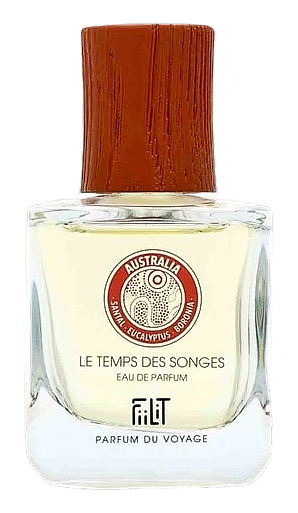
Fragrances featuring Australian white sandalwood

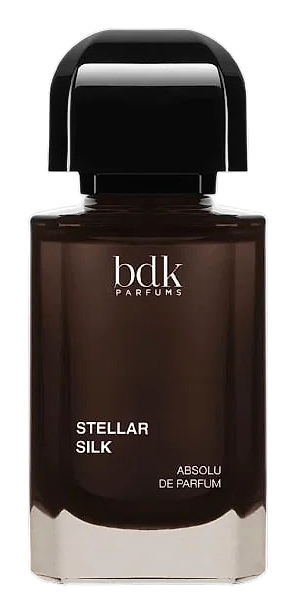
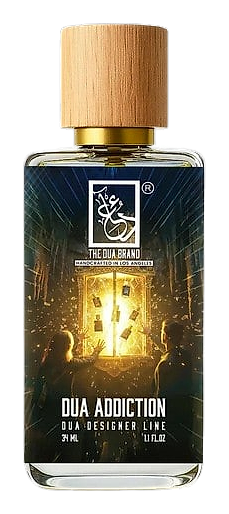
Brands
Brands known for Australian white sandalwood
Good to know
Questions, answered
The essentials on Australian white sandalwood in perfumery: how it smells, where it comes from, and how it behaves on skin.
What does Australian white sandalwood smell like?
Australian white sandalwood opens with creamy, soft-woodsy warmth accented by subtle lactonic and powdery facets. It lacks the sharper, more medicinal qualities sometimes associated with Indian sandalwood, producing a gentler, rounder woody character that works as both base note and bridging element.
Is Australian sandalwood sustainable?
Yes. Australian sandalwood harvesting has been regulated since 1920 under the Western Australian Sandalwood Control Act. Unlike wild Indian sandalwood, which is endangered, Santalum spicatum grows managed plantations, making it the preferred sustainable choice for fragrance manufacturers.
How does Australian sandalwood differ from Indian sandalwood?
Australian sandalwood from Santalum spicatum contains higher percentages of beneficial compounds like santalols and features a creamier, softer character compared to Indian Santalum album. Indian sandalwood tends toward sharper, more medicinal facets, while the Australian variant offers rounder, more accessible warmth.
How long before sandalwood trees can be harvested?
Santalum spicatum trees require 15 to 20 years of growth before the heartwood develops sufficient aromatic compounds for commercial oil extraction. This extended maturation period contributes to the oil's concentrated, complex scent profile and justifies its premium positioning.
What fragrance families pair well with Australian sandalwood?
Australian sandalwood serves as an exceptional base note in woody, oriental, and florals. It pairs naturally with oud, cedar, and amber for deeper compositions, while complementing rose, jasmine, and iris by providing warmth and longer-lasting dry-down characteristics.
What percentage of global sandalwood production comes from Australia?
Australia currently produces the majority of commercially available sandalwood essential oil for the fragrance industry, having surpassed Indian production following decades of sustainable cultivation programs and regulatory frameworks.
Can synthetic alternatives replace sandalwood?
While synthetic sandalwood compounds like Sandalore and Bacdanol exist, they cannot fully replicate the complexity of natural sandalwood oil. Natural Australian sandalwood contains dozens of aromatic compounds creating nuanced depth that synthetics still struggle to match authentically.
Does sandalwood fix fragrance performance?
Australian sandalwood acts as an effective fixative, helping lighter top and heart notes linger longer on the skin. Its molecular structure binds with other aromatic compounds, slowing evaporation and extending the fragrance's overall wear time by several hours.