Taro Puree
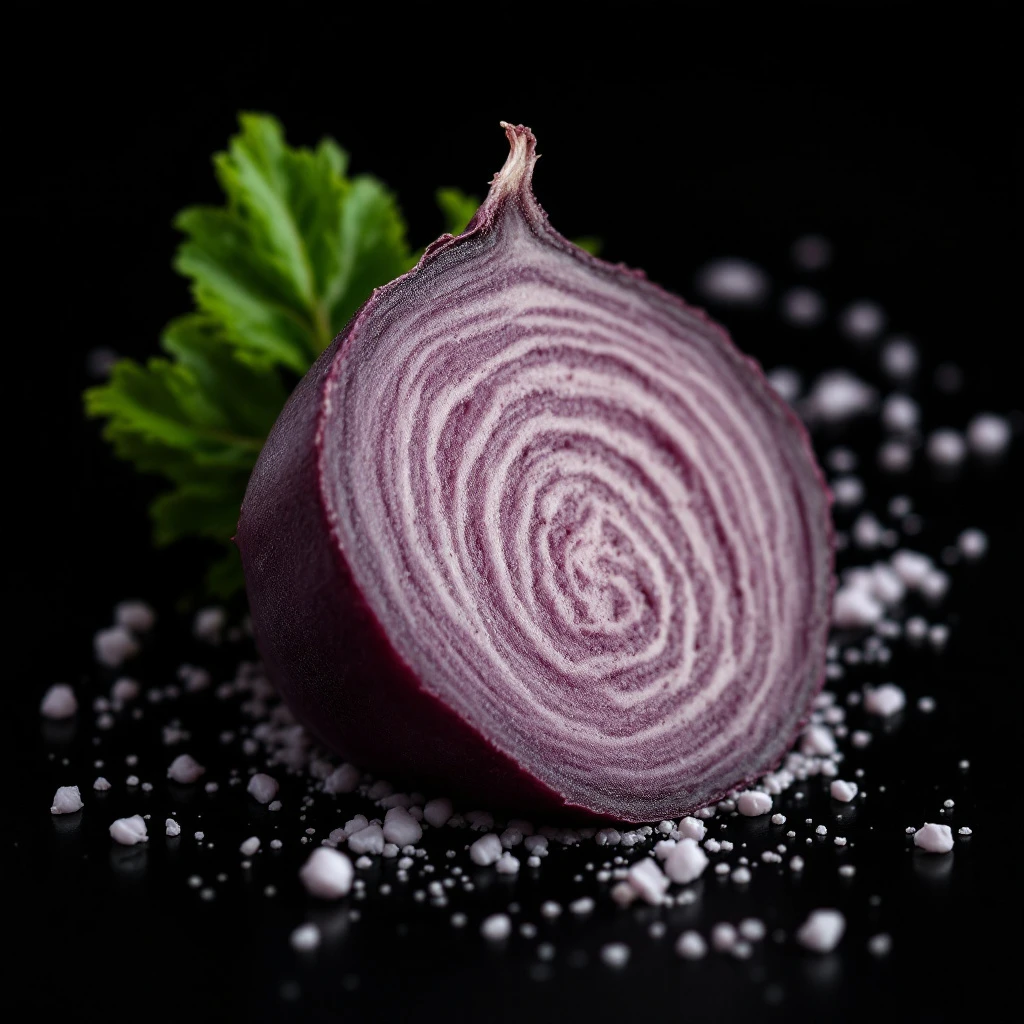
Taro puree is a culinary fantasy reimagined for scent. Perfumery borrows the earthy, starchy sweetness of steamed Colocasia esculenta root, conjuring warmth without a single drop of real taro.
Character
How it smells
Earthy sweetness, bottled without a root in sight
Despite taro's 5,000-year culinary history, no perfumery-grade extract of the root has ever been commercially produced. The note is a modern aromatic fiction.
Pairs beautifully with


Origin
Papua New Guinea (cultivation origin)
Taro, Colocasia esculenta, is one of humanity's oldest cultivated crops, with archaeological evidence of its consumption in the Solomon Islands dating back roughly 28,000 years. It spread across Polynesia as a canoe plant, sustaining voyages across the Pacific, and reached Egypt by at least the 6th century BCE, where it became a dietary staple documented in ancient texts.
Yet taro's history is culinary, not olfactory. While perfumery has long turned to roots and rhizomes for aromatic materials, orris, vetiver, ginger, turmeric, taro was never pursued. Its value lay in starch, not scent. The fragrant interpretation of taro puree is entirely a 21st-century invention, born from gourmand perfumery's appetite for novel edible associations and the growing influence of Asian dessert culture in Western fragrance.
Wears it best
Fragrances featuring Taro Puree
Brands
Brands known for Taro Puree
Good to know
Questions, answered
The essentials on Taro Puree in perfumery: how it smells, where it comes from, and how it behaves on skin.
Is taro puree a real fragrance ingredient?
No natural taro extract exists for perfumery. The scent is constructed synthetically using aroma molecules like pyrazines and lactones to evoke the cooked root's earthy sweetness.
What does taro puree smell like in perfume?
Taro puree accord reads warm, starchy, and gently sweet with nutty undertones. It carries a comforting, lactonic creaminess reminiscent of the purple dessert rather than sharp or floral notes.
Why can't perfumers extract real taro?
Taro's high starch and water content yield negligible aromatic oil under distillation. No commercial essential oil, absolute, or CO2 extract of Colocasia esculenta has ever been produced for fragrance.
What molecules recreate the taro scent?
Perfumery combines roasted pyrazines, creamy gamma-decalactone, and nutty tonka elements to approximate taro. This molecular construction is standard for impossible-to-extract gourmand materials.
Where does taro originally come from?
Taro's wild ancestor originated in the Indo-Malayan region, with archaeological evidence of cultivation in Papua New Guinea dating back roughly 28,000 years.
When was taro first used in perfumes?
Taro as a fragrance concept emerged in the early 2010s, coinciding with the rise of Asian-inspired gourmands. It has no historical presence in classical perfumery traditions.
Is taro puree safe to wear on skin?
Taro puree accord carries no known dermal risk. Because it is composed of synthetic aroma chemicals rather than plant extract, allergen profiles depend on the specific molecules used.
What other perfume notes pair with taro puree?
Taro puree blends naturally with coconut milk, vanilla, and rice milk accords. Counterpoints include roasted green tea, matcha, or smoky oud for added depth.





