Tangerine Leaves
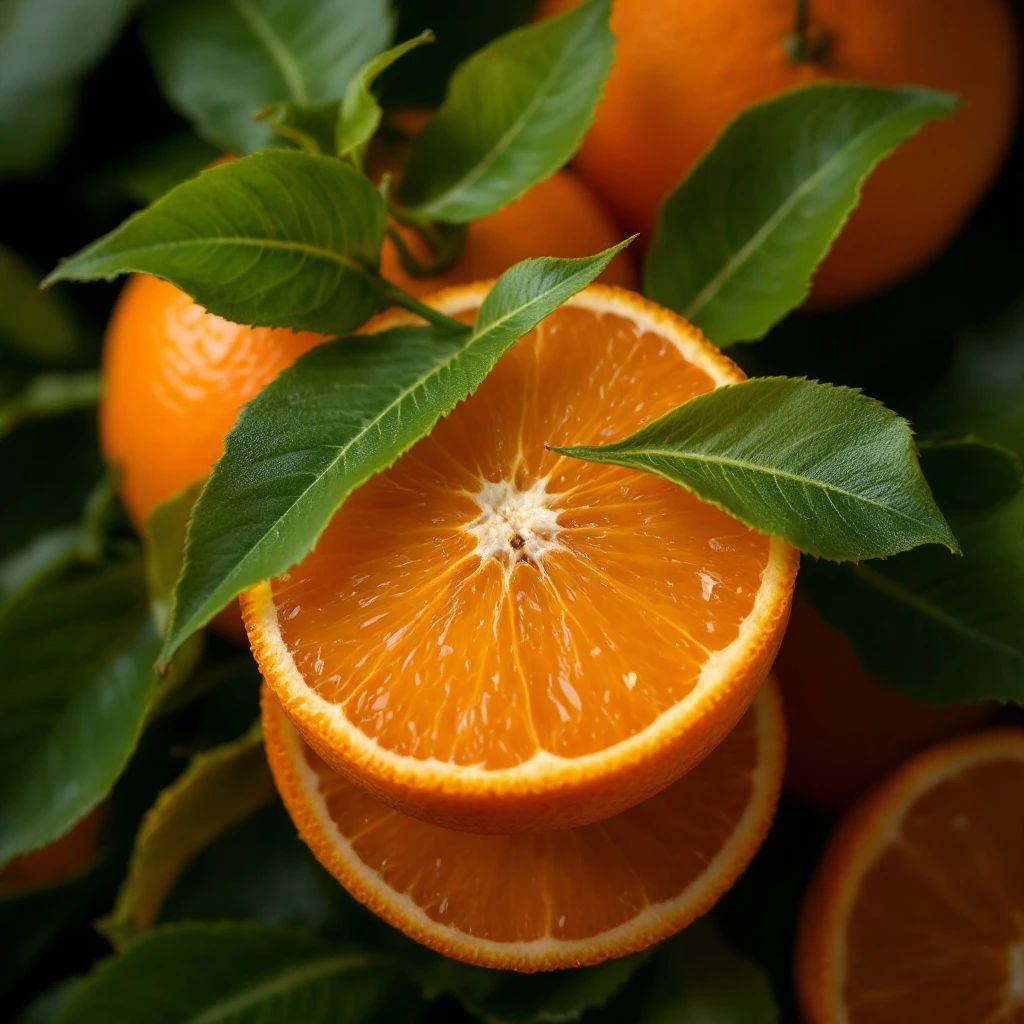
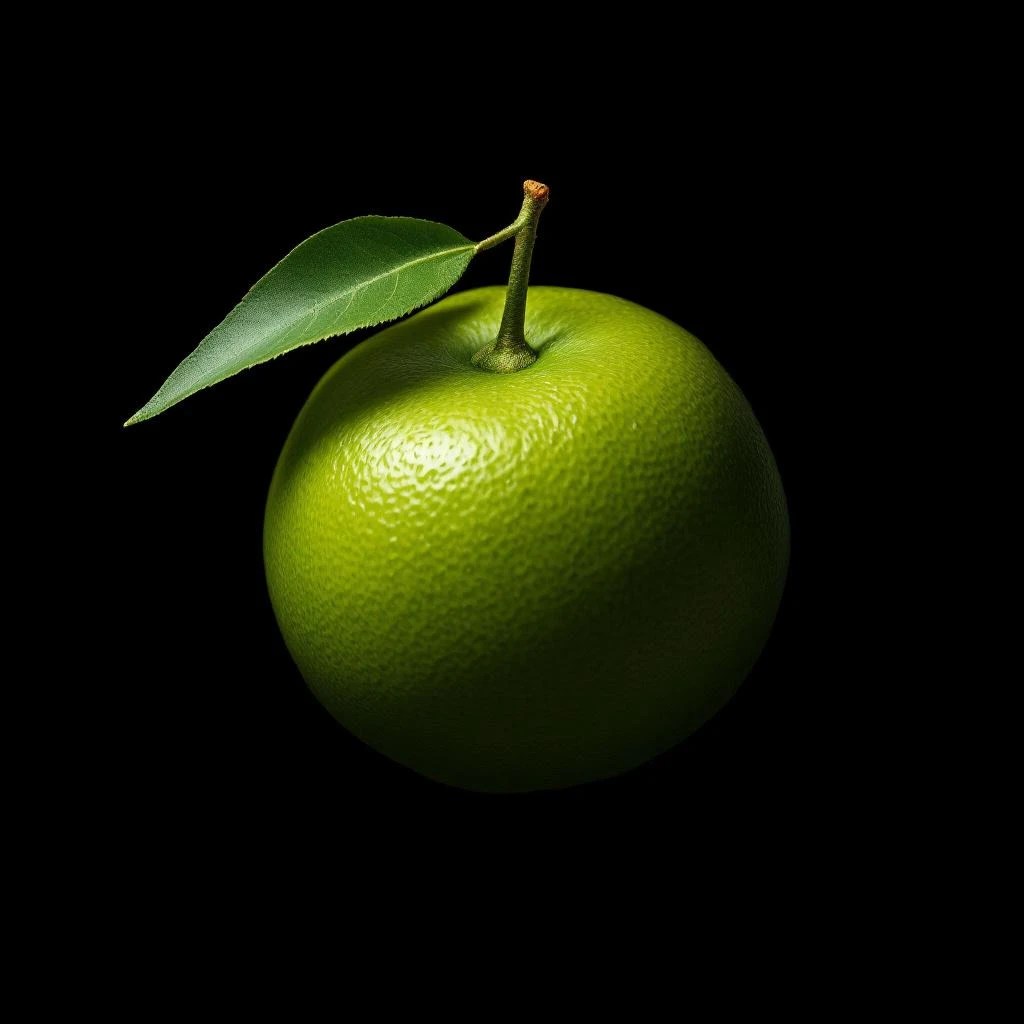
The overlooked sibling of citrus perfumery, tangerine leaves offer a verdant, slightly bitter freshness that captures the living essence of the tree before the fruit arrives.
Character
How it smells
Green, living citrus captured in a leaf
Tangerine leaf absolute contains the same aromatic compounds found in genuine cucumber, giving it an unexpected aquatic-green quality.

Origin
China
While citrus peel has commanded attention in perfumery for millennia, the use of tangerine leaves represents a more recent discovery in aromatic history. Citrus reticulata originated in Southeast Asia, where ancient Chinese texts from as early as 3000 BCE document the cultivation of mandarin oranges as ceremonial offerings.
The distinction between tangerines and other mandarin varieties emerged later, with the name 'tangerine' reportedly deriving from Tangier, Morocco, where European traders first encountered and exported this particular citrus variety in the 19th century. The utilization of citrus leaves in perfumery gained traction during the early 20th century when synthetic aroma chemicals began replacing natural materials.
Fragrance chemists recognized that citrus leaves contain unique aromatic compounds, including methyl N-methylanthranilate, which provides their distinctive green, slightly floral character. Today, while less celebrated than tangerine peel oil, leaf extracts remain valued ingredients for their ability to create natural, garden-fresh accords in modern compositions.
Wears it best
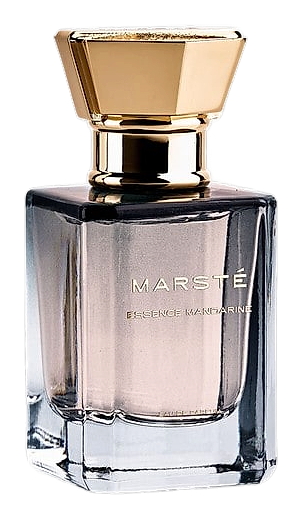
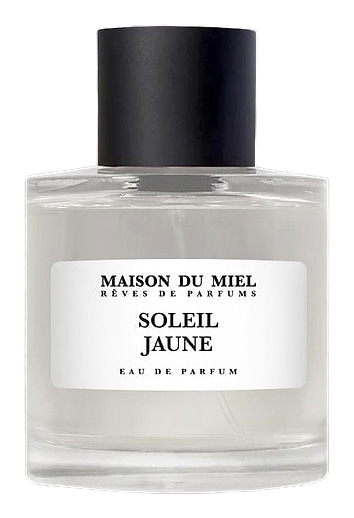
Fragrances featuring Tangerine Leaves
Brands
Brands known for Tangerine Leaves
Good to know
Questions, answered
The essentials on Tangerine Leaves in perfumery: how it smells, where it comes from, and how it behaves on skin.
What does tangerine leaf smell like?
Tangerine leaf has a green, slightly bitter aroma with fresh-cut grass and cucumber nuances. It lacks the sweet fruitiness of tangerine peel, offering instead a crisp, verdant character that evokes the living tree.
How is tangerine leaf absolute different from tangerine essential oil?
Tangerine leaf absolute comes from the leaves and contains green, leafy aromatic compounds like 2-methyl-2-pentenal. Tangerine peel oil is extracted from the fruit rind and contains primarily limonene with characteristic sweet-citrus facets.
Is tangerine leaf oil synthetic or natural?
Both natural and synthetic versions exist. Natural tangerine leaf absolute is extracted via solvents from fresh leaves. Synthetic replicas are created using aroma chemicals like cis-3-hexenol to mimic the green leaf character.
What perfumes use tangerine leaf as a note?
Tangerine leaf appears in several citrus-forward fragrances as a top-note ingredient. It is particularly valued in compositions aiming for a natural, garden-picked green accord rather than单纯 sweet citrus.
Can tangerine leaf oil cause skin reactions?
Natural tangerine leaf oil contains limonene and other citrus compounds that may cause sensitization in susceptible individuals. IFRA guidelines recommend standard precautions for citrus-derived materials.
What is the yield rate for tangerine leaf extraction?
Leaf extraction yields vary significantly based on leaf quality and extraction method. Solvent extraction typically produces 0.2-0.5% absolute by weight, making tangerine leaf absolute considerably more expensive than peel oil.
Does tangerine leaf have aromatic similarities to other ingredients?
Tangerine leaf shares green aromatic compounds with violet leaf absolute and fig leaf, creating a similar fresh, slightly aquatic-green impression. It also contains faint floral facets comparable to petitgrain from bitter orange leaves.
What extraction method preserves the most tangerine leaf character?
Enfleurage and cold-press extraction of crushed leaves capture the most delicate aromatic molecules. However, steam distillation at controlled low temperatures best preserves the characteristic green note compounds.