
The Heritage
The Story of Marsté
House of Marsté entered the fragrance scene in 2024, offering a concise portfolio that feels like a private collection rather than a mass‑market line. Founded by Marlena Stell, the former owner of MakeupGeek Cosmetics, the house presents scents that echo Parisian streets, garden promenades and quiet evenings. Each bottle arrives with a story, inviting the wearer to explore a moment of quiet indulgence without the noise of typical launch hype.
Heritage
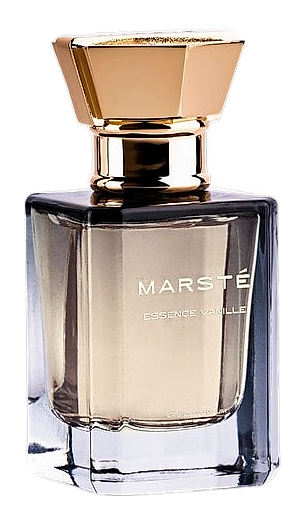
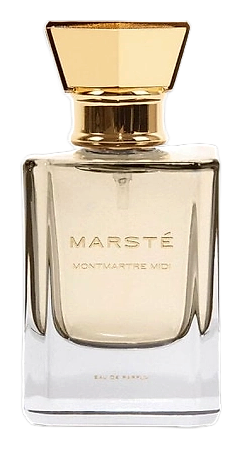
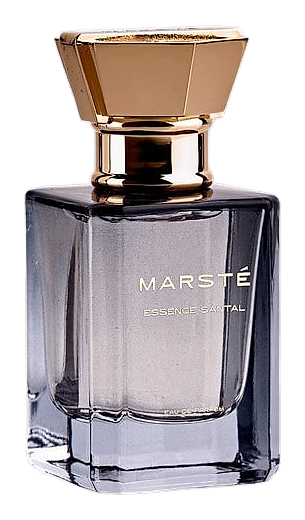
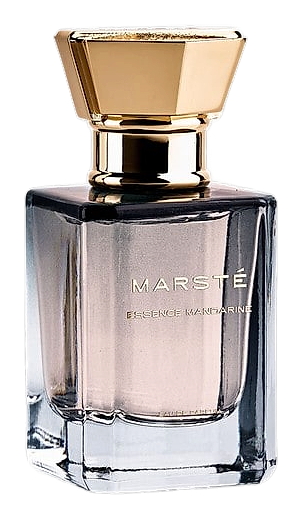
Marlena Stell spent more than ten years shaping the beauty industry before turning her attention to scent. After building MakeupGeek Cosmetics into a recognizable online brand, she announced a new venture in early 2024, positioning House of Marsté as a fragrance house based in the United States. The launch coincided with a live online event that streamed on a Sunday afternoon, drawing attention from her existing community and from fragrance enthusiasts who followed the announcement on social media. At that event, Marsté introduced three inaugural fragrances—Jardin du Luxembourg, Montmartre Midi and Une Nuit Parisienne—each named after iconic Paris locations, signaling a clear geographic inspiration despite the brand’s American roots. Shortly after the debut, the house announced a collaboration with master perfumer Michael Nordstrand, whose expertise helped refine the olfactory profiles for the launch collection. Within weeks, the brand expanded its catalogue to include a series of “Essence” scents—Vanille, Santal, Mandarine, and others—all released in the same year, reinforcing a rapid but focused rollout strategy. Though the brand is still in its infancy, the combination of Stell’s cosmetics background, a high‑profile perfumer partnership and a clear thematic direction has established a recognizable identity within the niche fragrance community.
Craftsmanship
Every Marsté fragrance begins with a brief that references a specific place or feeling. The brief travels to the studio of Michael Nordstrand, whose background includes work for several European niche houses. Nordstrand translates the narrative into a formula that balances natural extracts with synthetically derived notes, ensuring both stability and depth. Ingredients are sourced from established suppliers in France, Italy and the United States; for example, the vanilla used in Essence Vanille originates from Madagascar, while the sandalwood in Essence Santal comes from sustainable Indian farms. Production takes place in a certified facility in New York that follows Good Manufacturing Practices, allowing the brand to oversee each batch from weighing to bottling. Quality control includes blind panel testing with a small group of fragrance professionals, followed by adjustments before the final version is approved. Bottles are hand‑filled, and each batch receives a unique serial code that links back to the production log, providing traceability for the consumer. The house avoids over‑automation, preferring a tactile approach that lets artisans intervene when a nuance needs fine‑tuning. This blend of artisanal attention and modern lab standards aims to deliver a scent that feels both timeless and precise.
Design Language
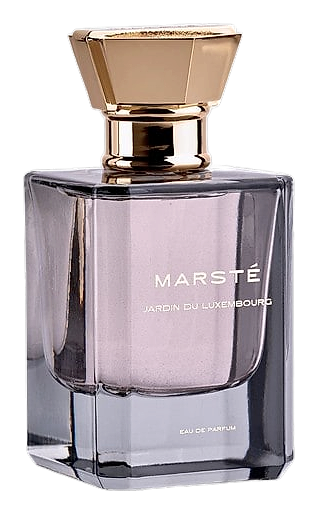
Marsté’s visual language mirrors its olfactory focus on quiet moments. The bottles feature slender, matte‑finished glass with soft curves that suggest the gentle lines of Parisian architecture. Labels use a muted serif typeface in charcoal, set against a pale ivory background; a thin gold foil accent highlights the fragrance name, adding a subtle touch of refinement without overt flash. The caps are brushed aluminum, providing a tactile contrast to the smooth glass. Packaging boxes adopt a minimalist design: a single color block that matches the scent’s key note—emerald for Montmartre Midi, deep navy for Une Nuit Parisienne, and warm cream for Jardin du Luxembourg—paired with a simple line drawing of the associated landmark. Marketing imagery favors natural light and candid moments, often showing the bottle placed on a wooden table beside a coffee cup or a garden stone, reinforcing the brand’s invitation to integrate scent into everyday rituals. The overall aesthetic feels like a quiet gallery exhibit, where each piece is displayed with intention and space to breathe.
Philosophy
Marsté treats perfume as a personal narrative rather than a trend. The house believes that a scent should capture a single memory—a garden walk, a café at dusk, a quiet moment on a balcony—and then let the wearer carry that fragment into daily life. This belief stems from Stell’s experience curating beauty products that empower individual expression; she transferred that mindset to fragrance, insisting that each composition remain true to its inspiration without trying to please every palate. The brand also emphasizes transparency: ingredient origins are disclosed whenever possible, and the creative process is shared through behind‑the‑scenes content. Sustainability is approached pragmatically; Marsté selects suppliers who meet basic environmental standards and avoids excessive packaging. By focusing on a limited number of well‑crafted scents each year, the house aims to maintain a high level of artistic integrity while allowing customers to build a curated scent wardrobe.
Key Milestones
2024
Marlena Stell announces the launch of House of Marsté after selling MakeupGeek Cosmetics
2024
Live online launch event streams the debut of three fragrances: Jardin du Luxembourg, Montmartre Midi, Une Nuit Parisienne
2024
Master perfumer Michael Nordstrand joins the project, helping to finalize the inaugural scents
2024
Release of the Essence collection (Vanille, Santal, Mandarine, etc.) expands the brand’s portfolio
At a Glance
Brand profile snapshot
Origin
United States
Founded
2024
Heritage
2
Years active
Collection
1
Fragrances released
Avg Rating
4.0
Community sentiment


