Syrian Papyrus
Papyrus brings a distinctive mineral-herbal presence shaped by the sedge’s roots and earthy aromatic oils.
Character
How it smells
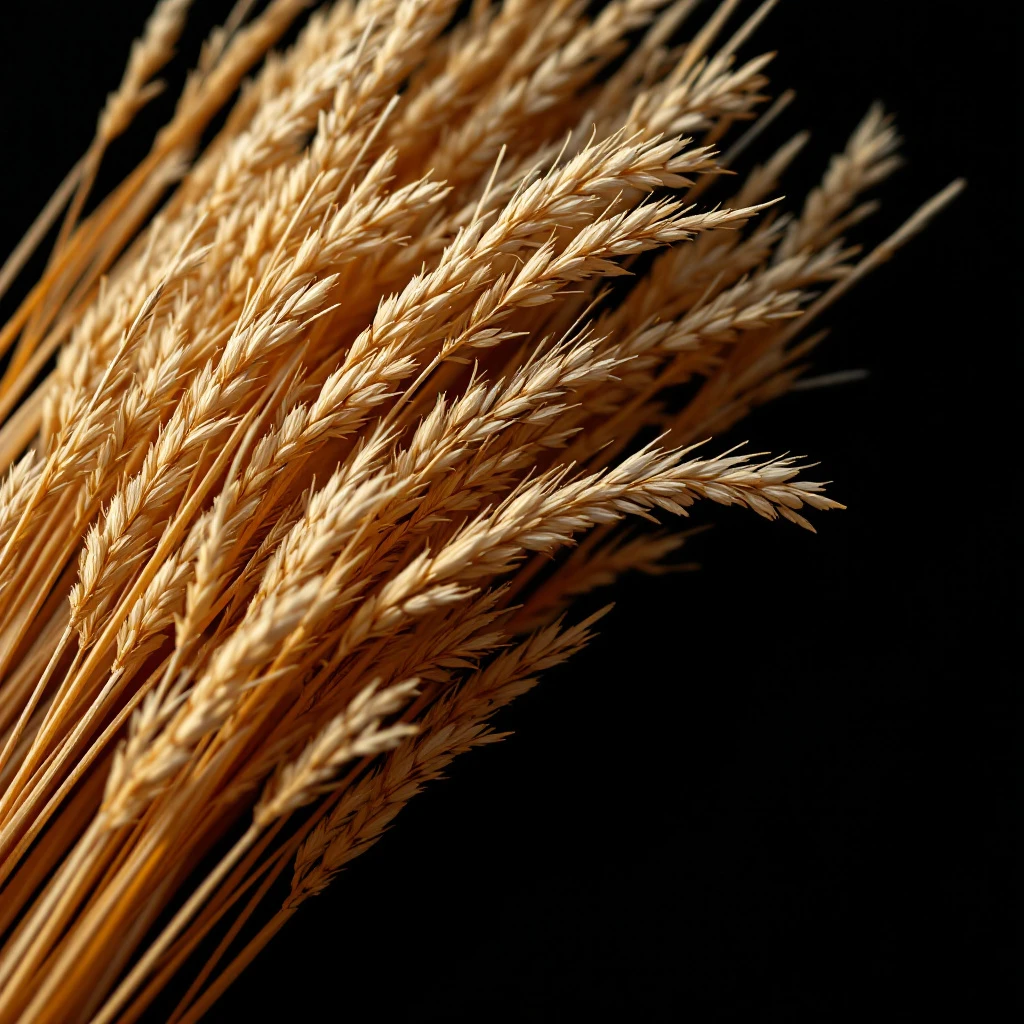
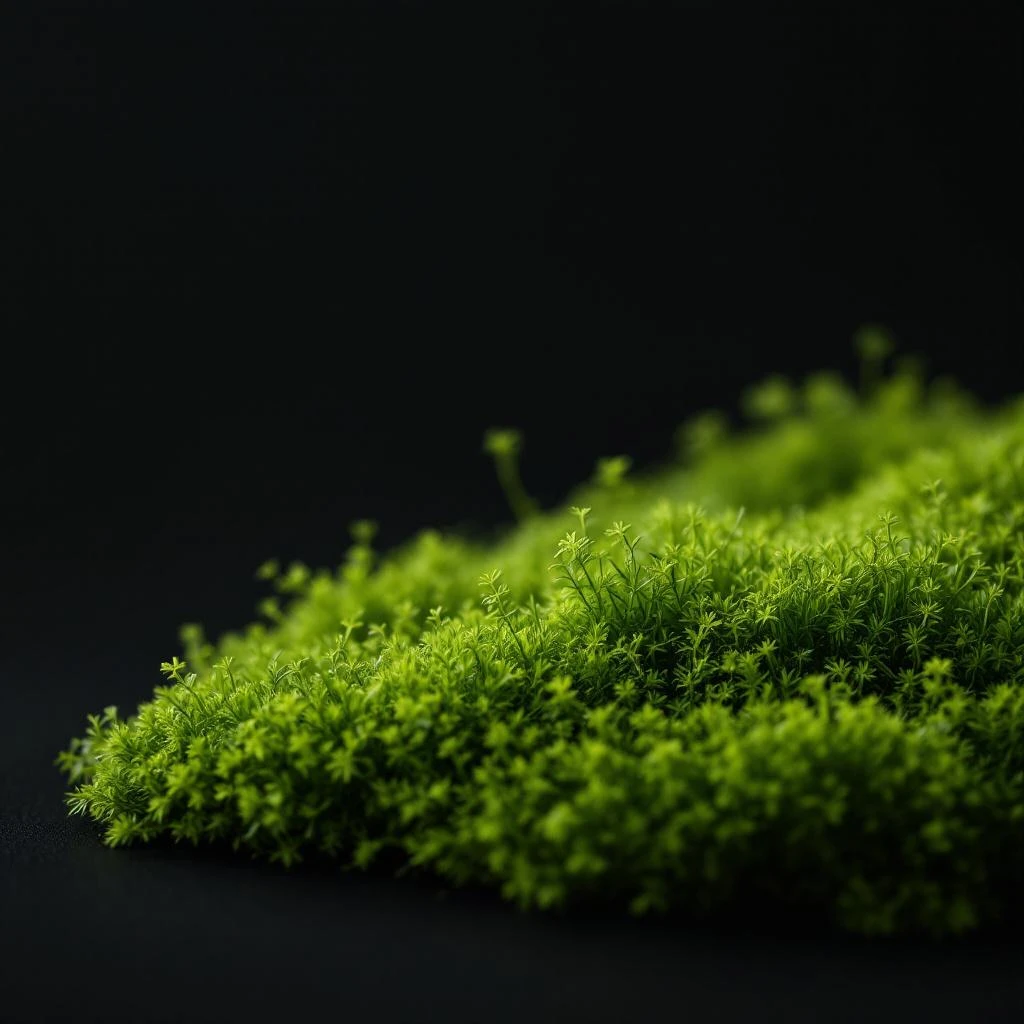
An earthy aquatic note with a dry, refined edge.
The papyrus plant that gives modern perfumery its signature note is not the material used for ancient Egyptian scrolls.
Pairs beautifully with
Origin
Egypt
Papyrus has a long association with ancient Egypt, where the plant grew beside the Nile and supported local writing, trade, and daily life. Its leaves were used to make sheets for writing, while different parts of the plant held practical and cultural importance.
The fragrance ingredient named papyrus comes from the essential oil of Cyperus papyrus, rather than from the fibrous leaves used in historical manuscripts. Ancient Egyptians also developed sophisticated methods for preparing scented oils and balms, preserving aromatic materials in fats and combining ingredients such as myrrh and resins.
The papyrus plant’s strong connection to the Nile made it a recognizable emblem of Egyptian landscape and environment. Today, its distinctive root oil belongs to the family of modern perfumery materials prized for dry, woody, herbal, and mineral nuances.
Wears it best
Fragrances featuring Syrian Papyrus
Brands
Brands known for Syrian Papyrus
Good to know
Questions, answered
The essentials on Syrian Papyrus in perfumery: how it smells, where it comes from, and how it behaves on skin.
What does papyrus smell like in perfumery?
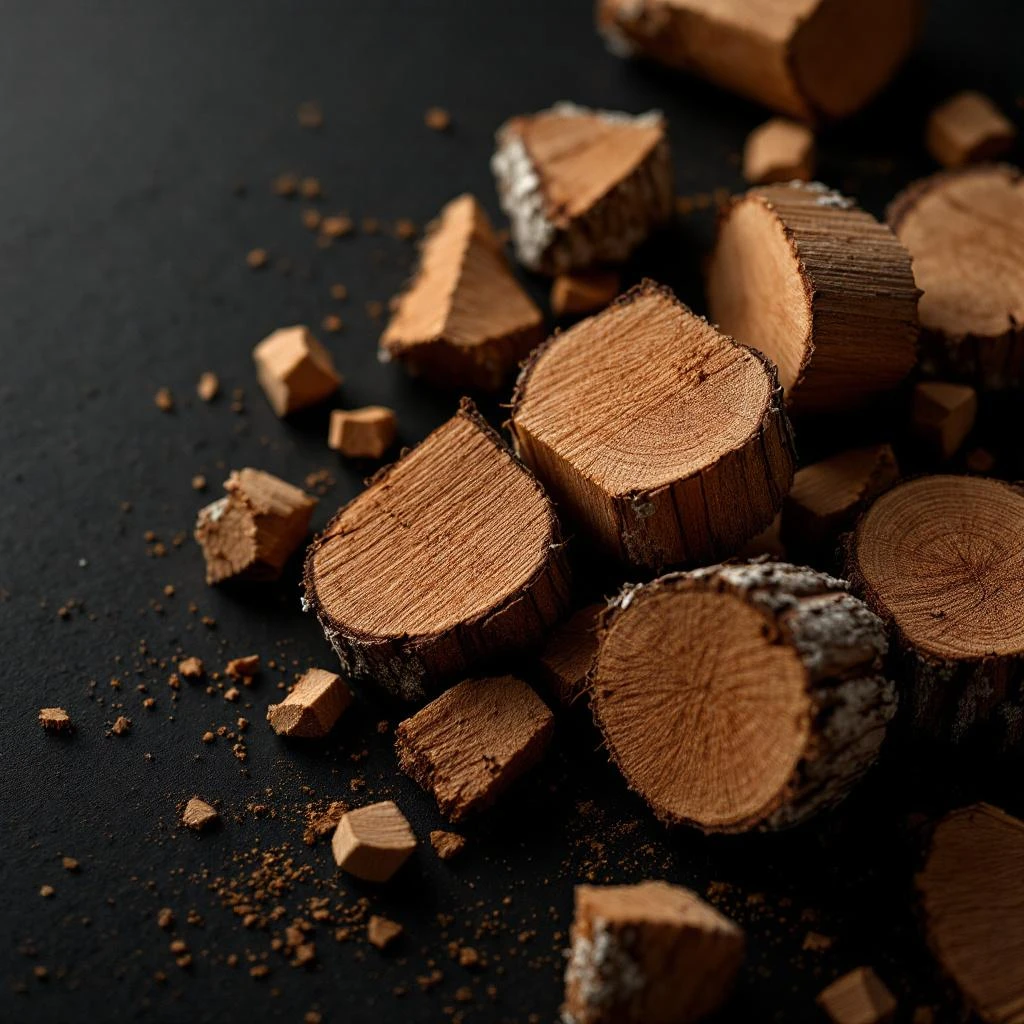
Papyrus smells earthy, woody, and slightly smoky, with subtle herbal and aquatic facets. Its character comes from the root oil of Cyperus papyrus and is usually more dry than floral.
Which part of the papyrus plant is used in perfume?
Perfumers primarily use the roots of Cyperus papyrus to produce papyrus oil. The fibrous leaves used for ancient Egyptian writing are not the main source of the fragrance material.
Where does papyrus oil come from?
Papyrus oil comes from Cyperus papyrus, an aquatic sedge associated with the Nile Delta and tropical Africa. Egypt remains the reference point for the ingredient’s historical identity.
How is papyrus oil extracted?
Papyrus oil is mainly obtained through steam distillation of the roots. The process concentrates the plant’s aromatic compounds into an essential oil used in fragrance compositions.
Is papyrus the same plant used for ancient Egyptian scrolls?
Yes, it is the same species, Cyperus papyrus, but the fragrance comes from its roots. Ancient scroll material was made mainly from the plant’s stems and leaves.
What fragrance family is papyrus?
Papyrus is commonly placed within woody, herbal, and aromatic fragrance families. Its dry root-oil profile can also add a mineral or smoky accent to a composition.
Why is papyrus important in modern perfumery?
Papyrus offers a restrained earthy note that can add depth without excessive sweetness. Its distinctive dry character helps compositions feel natural, polished, and structurally refined.
Did ancient Egyptians use papyrus in perfume?
Ancient Egyptians used papyrus in cultural and practical life, while also making scented oils and balms from aromatic ingredients such as myrrh and resins. The modern fragrance oil is specifically associated with the plant’s roots.