
The Story
Why it exists.
The beginning
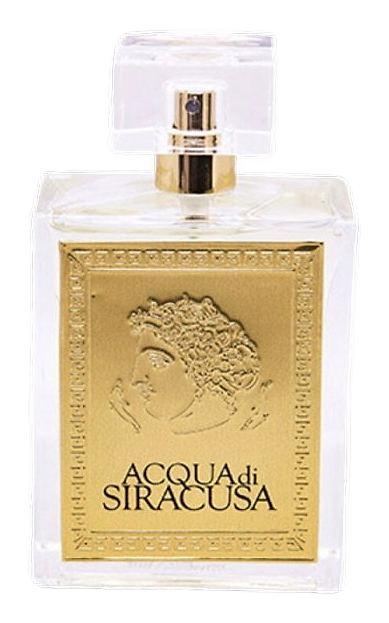
Aretusa was released in 2018 by Acqua di Siracusa, a fragrance name associated with Syracuse and the Mediterranean. Its identity centers on a fresh, green character, expressed through bergamot, fig leaf, Syrian papyrus, cedar, fig, and moss. The listed notes move from bright citrus and leafy greenery into a textured herbal heart, a rounded fruit accord, and a grounded woody finish. Together, they suggest clear water, dense leaves, cool earth, and the gentle sweetness of ripe fig. No perfumer is publicly linked, so the composition is best understood through its notes and the way each one alters the scent around it.
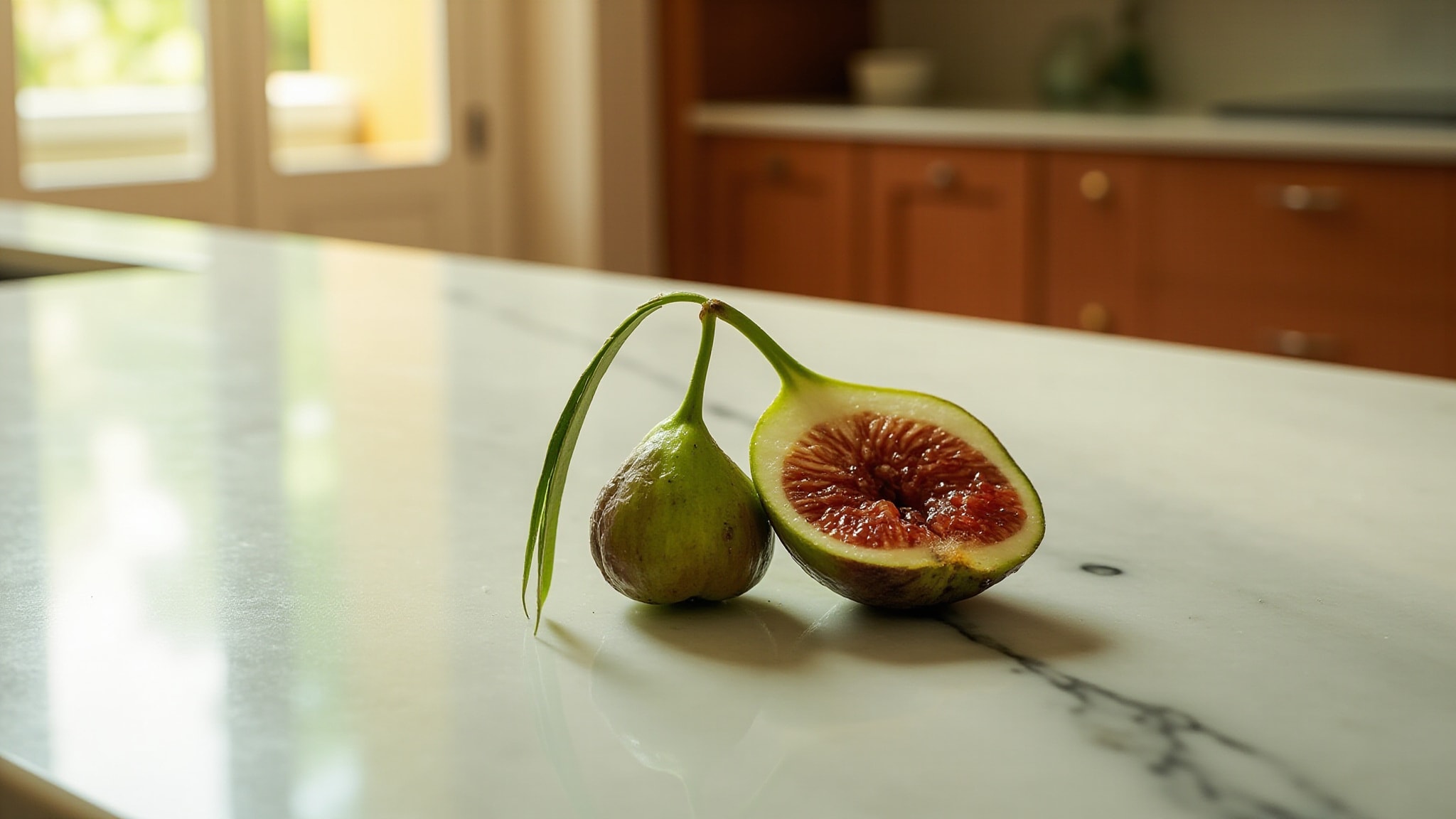
The composition starts with a familiar brightness, then pulls in an unusual direction through fig leaf and Syrian papyrus. That pairing gives the scent a green, almost papery edge, while fig introduces a soft lactonic sweetness that prevents the citrus from feeling stark. Cedar and moss settle the structure with dry wood and earthy depth. Together, these notes create a garden effect that feels grown rather than simply decorated, and a distinctly Mediterranean balance between polished freshness and natural texture.
The evolution
The first impression is clean citrus with a brisk, leafy edge. Bergamot catches the light, while fig leaf introduces a cool green snap, so the opening feels airy and active rather than sweet. As it develops, Syrian papyrus brings a papery, mineral-herbal texture into the center. Fig then adds a rounded, creamy sweetness, turning the composition from fresh cut grass toward something more tactile and generous. During the drydown, cedar and moss replace that brightness with a quieter woody base, while fig keeps a soft fruitiness close to the skin. Projection and longevity are reported as above-average, with a polished trail in the opening and continued presence as the scent settles. The finish feels neat and close, like cedar shaded by leaves, without turning heavy.
Cultural impact
Aretusa draws on the fragrance language associated with Siracusa and the Mediterranean, expressing that atmosphere through crisp citrus, fig leaf, Syrian papyrus, cedar, fig, and moss. The composition offers a clear route into freshness: bergamot provides polish, fig leaf a sharper vegetal accent, and papyrus an unusual herbal texture. As fig rounds out the center, cedar and moss give the scent a steadier foundation. Public information about the fragrance remains limited, so its most accessible appeal lies in its sensory construction, with above-average projection and longevity, a lively opening, and a composed drydown.