Subalpine Fir
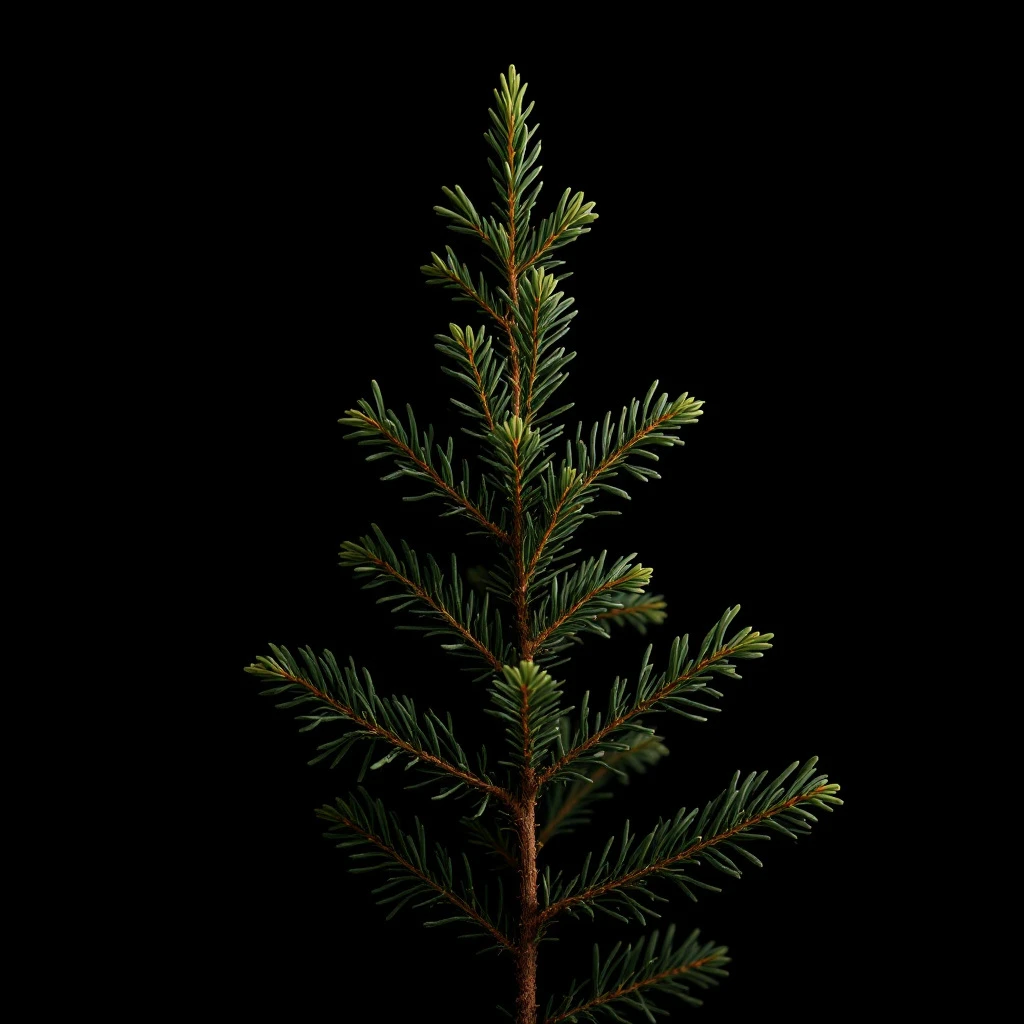
Subalpine Fir (Abies lasiocarpa) delivers the crisp, resinous scent of high-altitude evergreen forests. Its needle oil carries fresh green notes, subtle citrus brightness, and a cool balsamic depth prized in aromatic perfumery.
Character
How it smells
Cold-air conifer with citrus-bright resin
Subalpine fir grows at elevations up to 3,600 meters, making it one of the highest-altitude conifers in North America and giving its oil a notably crisp character.
Pairs beautifully with
Origin
United States
Subalpine fir has long defined the upper treelines of the Rocky Mountains, Cascades, and Pacific ranges, where Indigenous communities including the Interior Salish and Blackfoot used its boughs in sweat lodges and ceremonial structures for their purifying scent. European botanists catalogued Abies lasiocarpa in the 19th century, distinguishing it from its lower-elevation relatives by its narrow, spire-like crown and high-altitude tolerance.
Fir needle oils entered European apothecary records in the 1700s, valued for their clean, green-woody character and use in soaps and pomades. Modern perfumery adopted conifer needle oils more widely after the 20th century, when steam distillation became efficient enough for commercial-scale runs.
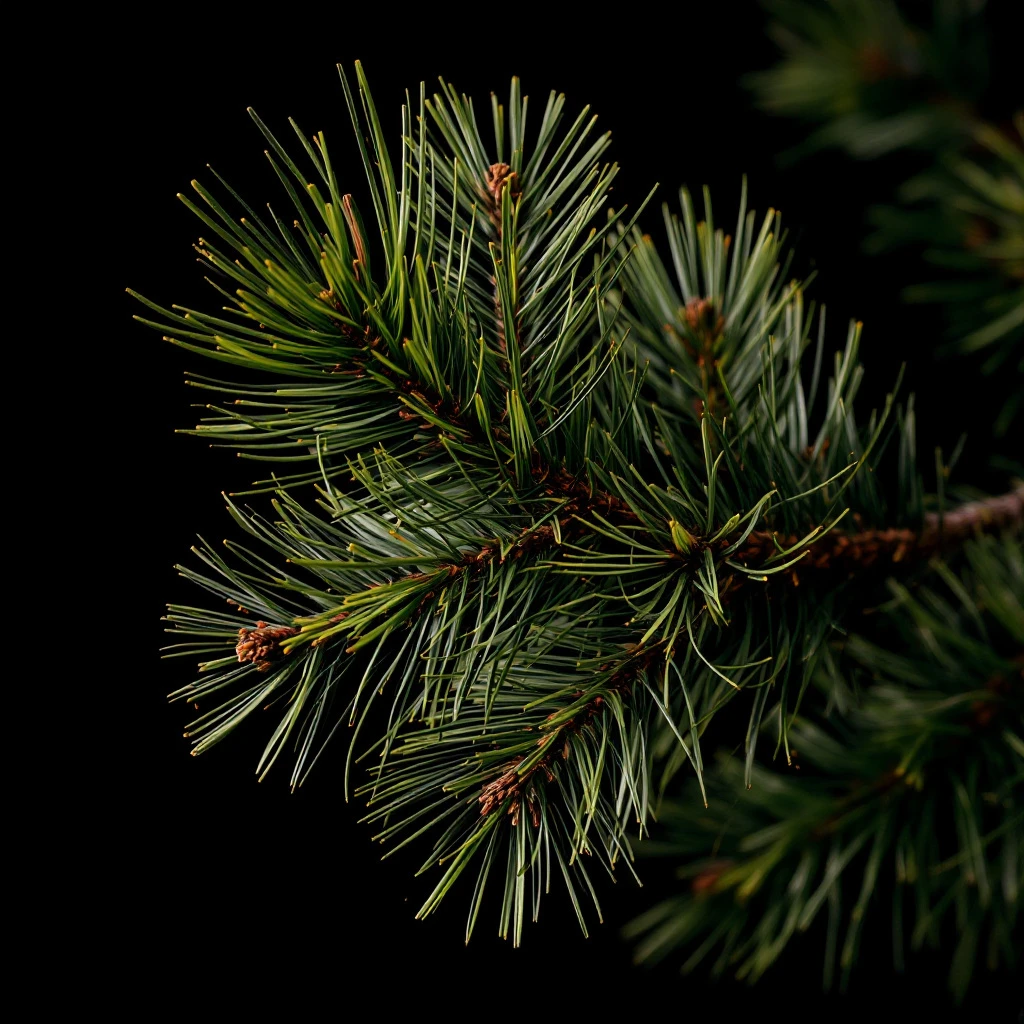
Today, subalpine fir occupies a niche between common silver fir and Siberian pine, prized for its brighter citrus facets and cooler overall profile. Its oil appears in forest-themed colognes, winter seasonal releases, and aromatic fougère compositions where freshness matters more than deep resinous weight.
Wears it best
Fragrances featuring Subalpine Fir
Brands
Brands known for Subalpine Fir
Good to know
Questions, answered
The essentials on Subalpine Fir in perfumery: how it smells, where it comes from, and how it behaves on skin.
What does subalpine fir smell like in perfume?
Subalpine fir smells fresh, resinous, and woody with a cool green character. Its oil contains over 30 percent bornyl acetate, lending a smooth balsamic sweetness beneath sharper pine and subtle citrus facets.
How is subalpine fir essential oil made?
Producers harvest the needles and young twigs by hand, then pass high-pressure steam through the biomass. The condensed vapor separates into hydrosol and a pale yellow essential oil rich in bornyl acetate and alpha-pinene.
Where does subalpine fir grow naturally?
Abies lasiocarpa thrives at elevations up to 3,600 meters across the Rocky Mountains, Cascades, and interior ranges of western North America, often defining the upper treeline.
What is the difference between subalpine fir and silver fir?
Subalpine fir grows at much higher altitudes and produces a brighter, cooler oil with stronger citrus facets. Silver fir tends toward a warmer, sweeter, more classically resinous profile.
Is subalpine fir sustainable for perfumery?
Most producers follow branch-harvest cycles rather than clear-cutting, and the trees regenerate readily from protected stands. Buyers should confirm sourcing from North American wildcrafters or managed forests.
What perfumes commonly use subalpine fir?
Subalpine fir appears in aromatic fougères, forest-themed colognes, and winter seasonal releases where its cool, crisp character suits fresh and green compositions.
When was fir first used in perfumery?
Fir needle oil appears in European apothecary and perfumery records from the 18th century onward, used in soaps, pomades, and simple aromatic preparations valued for their clean green-woody scent.
Is subalpine fir safe for skin application?
Diluted subalpine fir oil is generally well tolerated, though its bornyl acetate and camphene content warrants standard patch testing. Pregnant individuals should consult a qualified aromatherapist before topical use.




