Still Cider
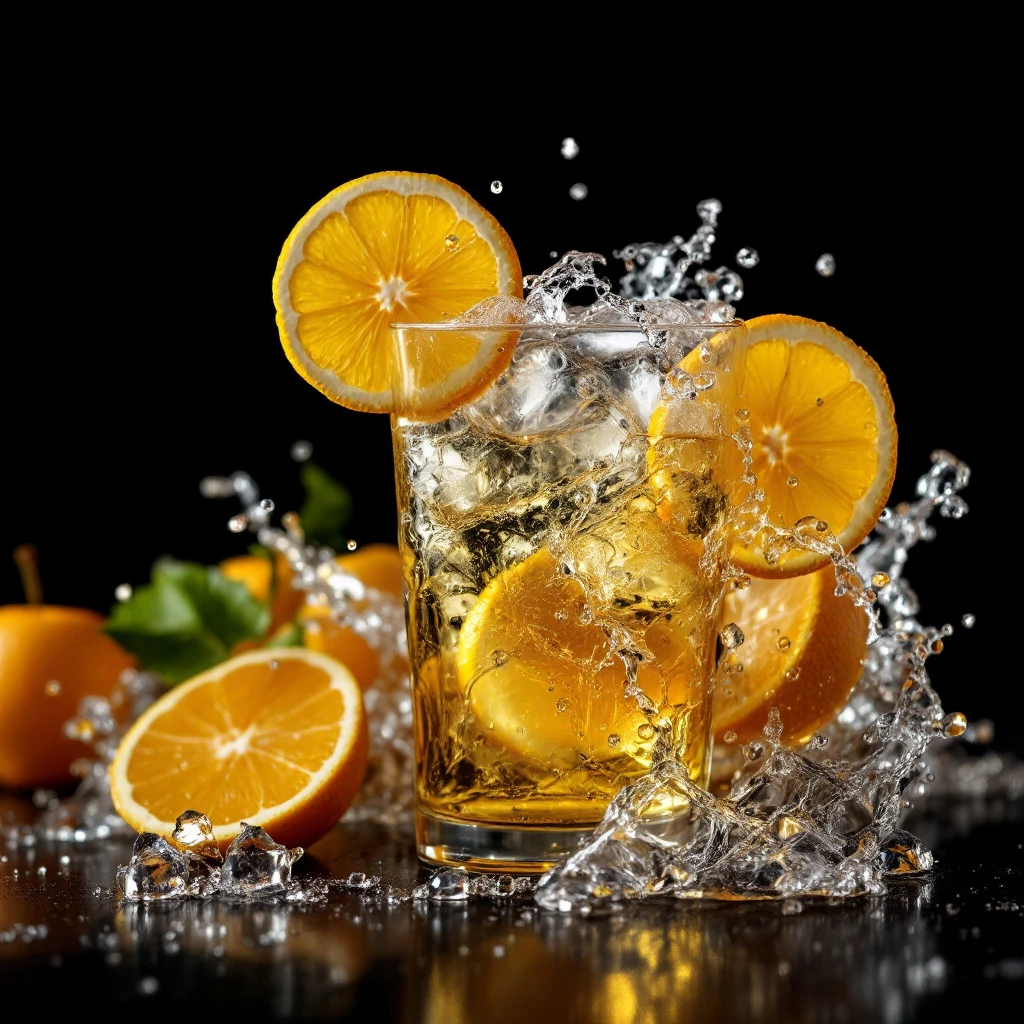
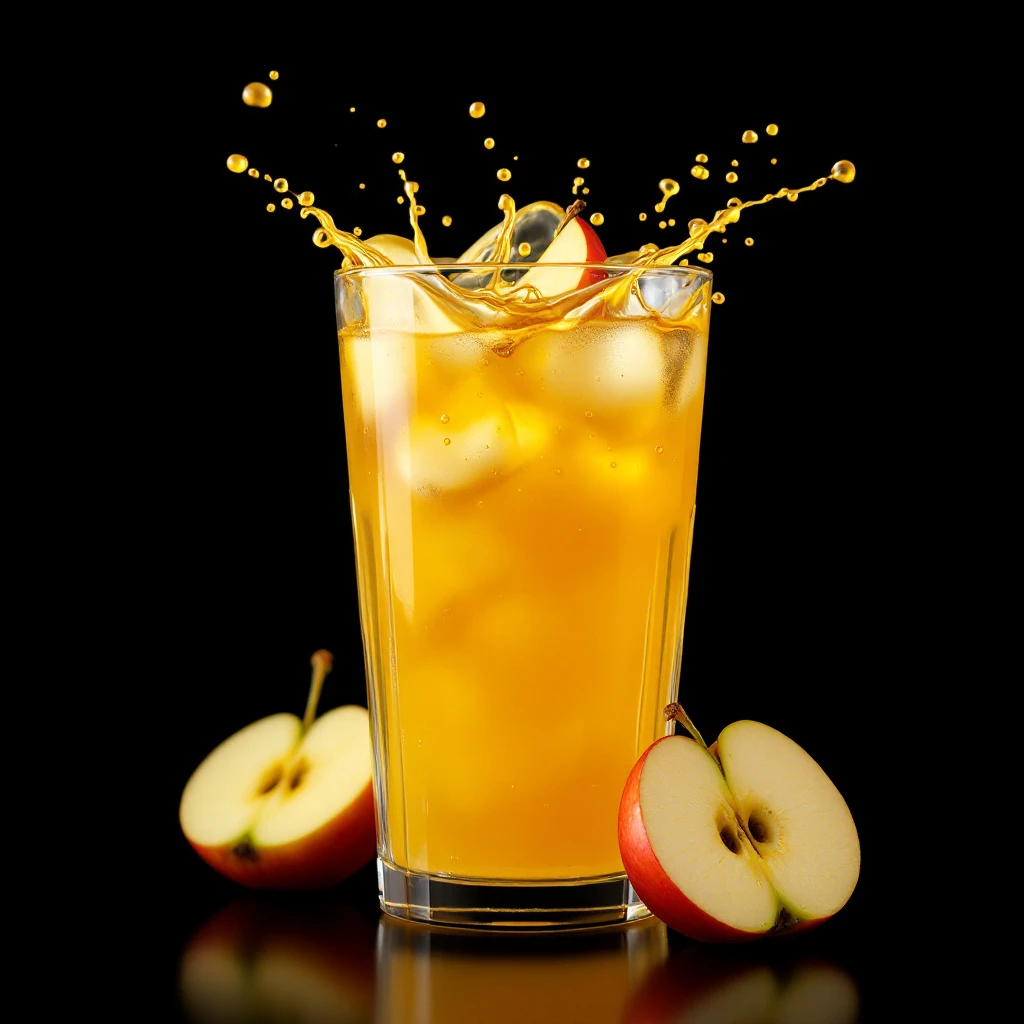
Still Cider captures the quiet warmth of a pressed apple never yet fermented: cold, honeyed, slightly tannic, with the crisp bite of orchard fruit held just before the first bubble breaks the surface.
Character
How it smells
Pressed apple, held still before the ferment begins.
Still cider must contain less than 0.5% alcohol by volume in the US to be labeled non-alcoholic, making it one of the few apple-derived notes in perfumery that legally cannot get you tipsy.
Pairs beautifully with
Origin
Switzerland
Cider as a beverage stretches back thousands of years, with the earliest fermented apple drinks documented in the Iberian Peninsula around 5000 BCE, long before formal perfumery began its recorded work. For most of fragrance history, apple arrived only as a fleeting green top note or a fleeting fruit-water impression, never as a featured material.
The still cider variant, meaning cider that has not yet fermented, is a far more recent invention. It emerged alongside the gourmand and fantasy fragrance movements of the late 20th and early 21st centuries, as perfumers grew hungry for textures that suggested process, atmosphere, and domestic comfort rather than just raw botanical essence.
Its cultural anchor is the autumnal orchard and the rural pressing ritual, but its technical home is modern organic synthesis. Advances in fruity aroma molecules have made it possible to evoke the precise moment between pressing and fermentation, capturing a story that earlier perfumers had no vocabulary to tell.
Wears it best
Fragrances featuring Still Cider
Brands
Brands known for Still Cider
Good to know
Questions, answered
The essentials on Still Cider in perfumery: how it smells, where it comes from, and how it behaves on skin.
What does Still Cider smell like in a fragrance?
Still Cider smells like freshly pressed apple juice with a faint tannic edge: sweet, crisp, and slightly woody, with no alcoholic warmth. It captures the fruit at the moment between pressing and fermentation, when the juice is alive but not yet bubbling.
How is Still Cider made for perfumery?
Most Still Cider accords are built from synthetic esters such as ethyl-2-methylbutyrate, which mimics ripe apple sweetness. Some niche houses supplement the accord with CO2 extracts of apple must, but the signature relies on raw organic matter rather than a single distillation.
Is Still Cider different from apple or boozy cider notes?
Yes. Fresh apple notes smell green and bright, while boozy cider carries warm, fermented, rum-like depth. Still Cider sits between them, pressed but unfermented, carrying tannic fruit character without alcohol warmth.
When did Still Cider first appear in perfumery?
Still Cider emerged in the late 20th and early 21st centuries alongside the rise of gourmand and fantasy fragrance categories. The note relies on modern aroma-chemical innovation, particularly fruity ester molecules perfected after the 1970s.
Is Still Cider a natural or synthetic fragrance ingredient?
Primarily synthetic. The Still Cider accord is reconstructed from individual aroma molecules such as hexyl acetate and ethyl-2-methylbutyrate. Optional natural apple CO2 extracts exist, but they rarely anchor the note on their own.
What fragrance families does Still Cider belong to?
Still Cider fits within fruity, gourmand, and fantasy olfactive families. It often appears as a supporting note in autumnal, spicy, and woody compositions where a crisp fruit opening anchors warmer base materials.
Why is it called 'still' cider?
The term 'still' refers to unfermented or non-carbonated cider, meaning the apple juice has not yet developed bubbles or alcohol. In perfumery, the phrase signals that the accord stops short of a boozy, fermentative profile.
What ingredients pair well with Still Cider in a perfume?
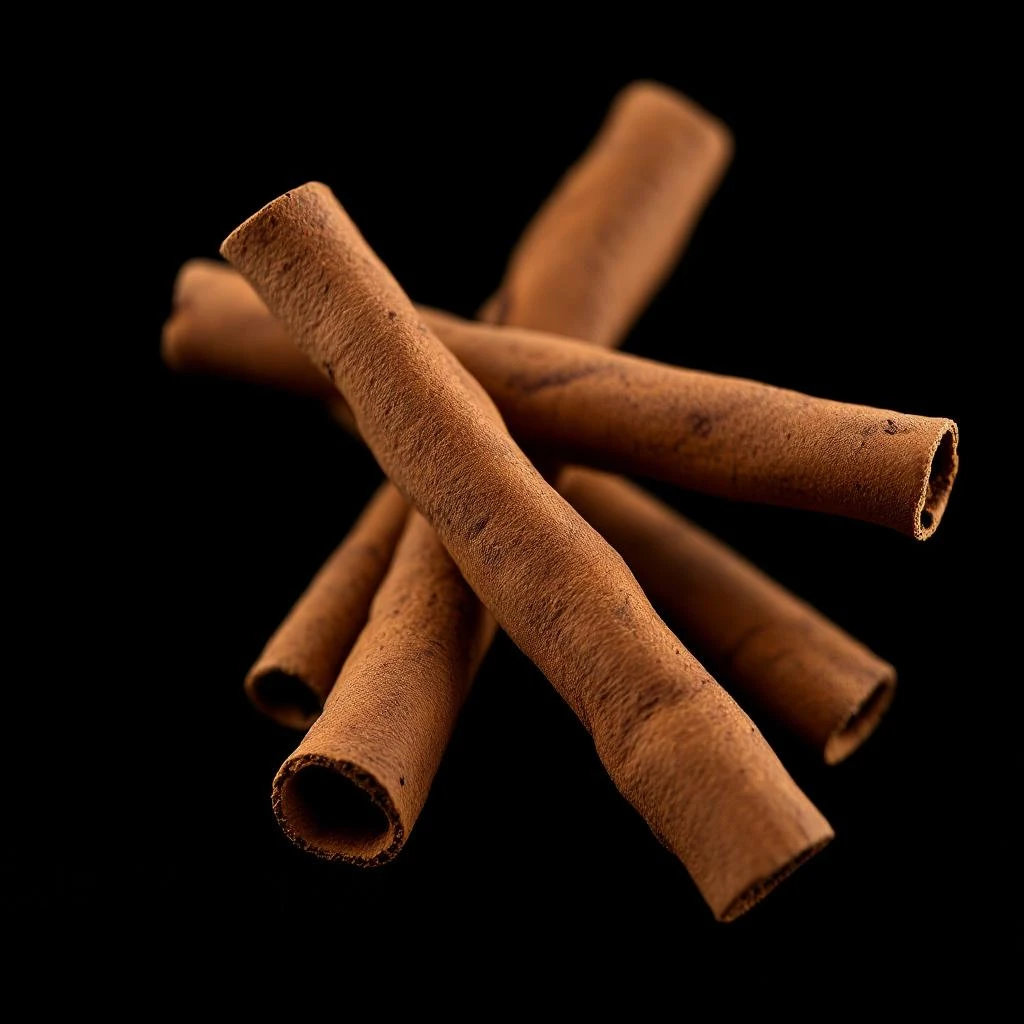
Still Cider pairs well with cinnamon, clove, oakmoss, and amber, which add warmth to its crisp sweetness. It also combines effectively with pear, fig leaf, and hay accords for layered orchard and harvest compositions.





