Smoked Papyrus
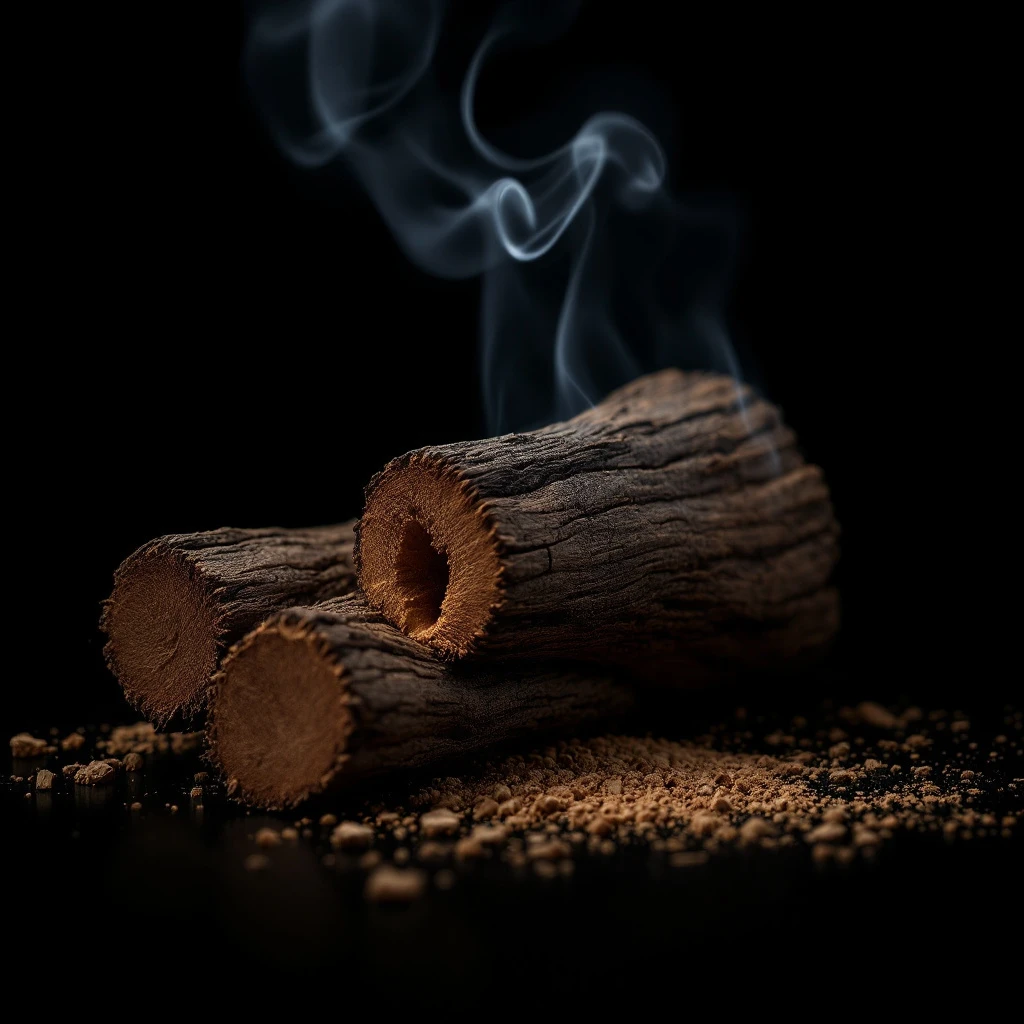
Smoked Papyrus delivers a dry, woody, and aromatic smoke that evokes ancient incense rituals along the Nile. Extracted from the rhizomes of Cyperus papyrus, this note carries the weight of millennia—earthy, resinous, and hauntingly beautiful.
Character
How it smells
Ancient smoke, bottled.
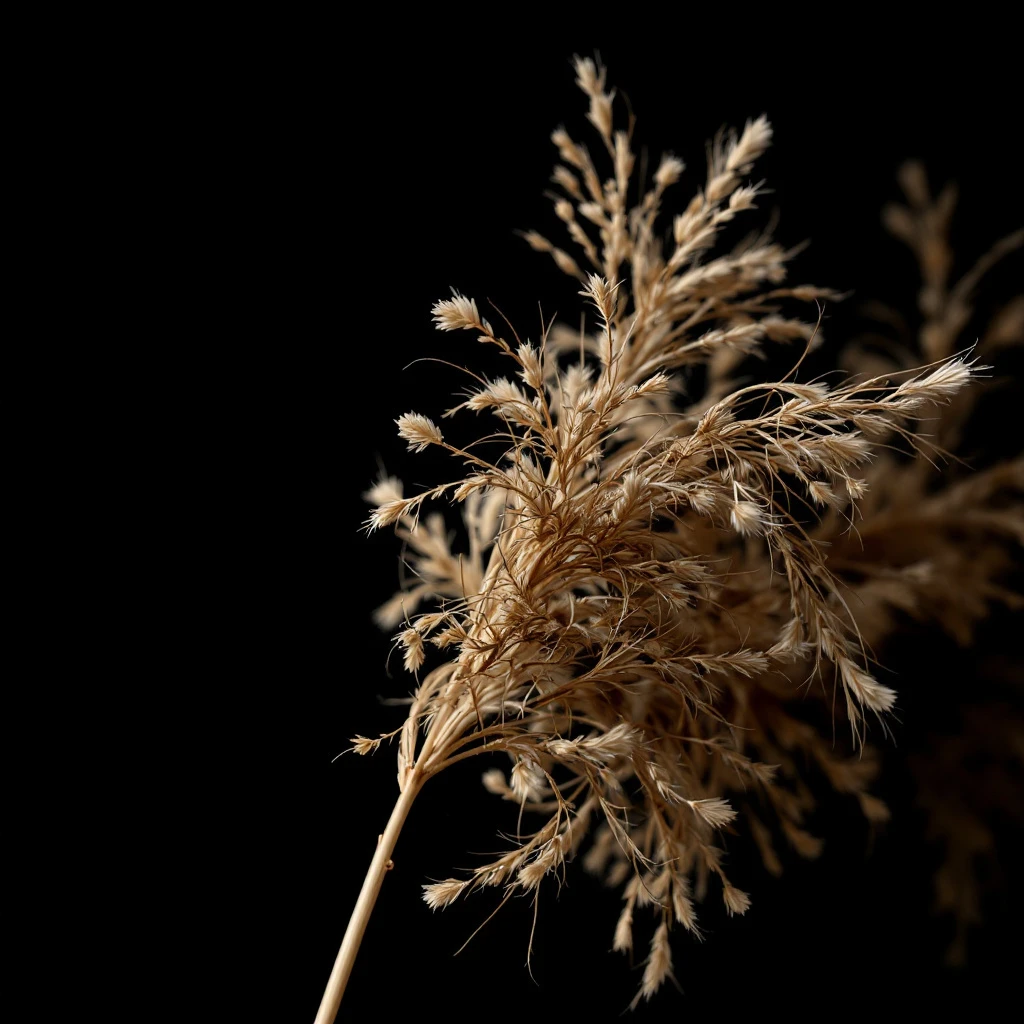
The Cyperus papyrus plant once covered 100 square miles of the Nile Delta, forming vast papyrus brakes.
Pairs beautifully with


Origin
Egypt
Papyrus holds an extraordinary place in human history. Ancient Egyptians relied on this plant not only for writing material but also for medicine, food, and sacred rituals.
The Cyperus papyrus grew abundantly along the Nile's marshy banks, and Egyptians burned papyrus rhizomes as incense during religious ceremonies, believing the smoke carried prayers to the gods. The material remained largely confidential in Western perfumery until the 1980s, when it emerged as a sophisticated woody base note.
Its introduction transformed oriental and woody fragrance compositions, adding a layer of archaeological depth that no other ingredient quite replicates. Today, papyrus connects us directly to one of the world's oldest continuous civilizations—the aromatic echo of ancient Egypt, preserved in liquid form.
Wears it best
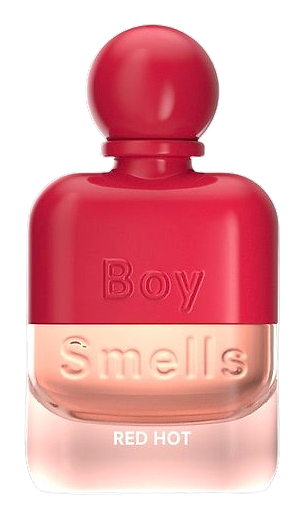
Fragrances featuring Smoked Papyrus
Brands
Brands known for Smoked Papyrus
Good to know
Questions, answered
The essentials on Smoked Papyrus in perfumery: how it smells, where it comes from, and how it behaves on skin.
What does Smoked Papyrus smell like?
Smoked Papyrus has a dry, woody, and aromatic character with warm smoky undertones. It evokes smoldering incense, ancient temples, and the earthy richness of papyrus paper itself.
Where does papyrus essential oil come from?
Papyrus oil is extracted from the rhizomes of Cyperus papyrus, a wetland plant native to Egypt and the Nile Delta region. The rhizomes are dried and steam distilled to produce the aromatic oil.
Is Smoked Papyrus a natural or synthetic ingredient?
Both versions exist. Natural papyrus oil comes from steam-distilled rhizomes. Aroma chemicals also recreate the distinctive dry-smoky papyrus character for consistency and broader use in perfumery.
What fragrance families pair well with Smoked Papyrus?
Smoked Papyrus works exceptionally well in oriental, woody, and chypre compositions. It pairs naturally with oud, amber, leather, and incense materials like frankincense and myrrh.
When did papyrus first appear in modern perfumery?
Papyrus emerged as a recognized fragrance note in the 1980s, after being kept confidential by certain perfume houses for decades. Its ancient Egyptian associations made it a natural fit for oriental fragrance development.
What part of the papyrus plant is used in perfumery?
Perfumers use the rhizomes—the underground stem structures of Cyperus papyrus. These knotted root-like structures contain the aromatic compounds that survive drying and distillation.
Does Smoked Papyrus smell like paper?
Not exactly. While papyrus was the ancient world's writing material, the fragrance note captures the plant's smoky-woody essence rather than the smell of paper itself. Think smoldering wood and ritual incense.
Is papyrus used in religious or cultural contexts beyond perfumery?
Yes. Ancient Egyptians burned papyrus rhizomes as temple incense during religious ceremonies. The smoke was considered sacred, believed to carry prayers to the divine—a practice predating modern perfumery by thousands of years.